Saudi Arabia is the rare market where the sun is not the constraint. Irradiation is among the highest in the world, land is available, and the government wants capacity built. The constraints are heat, dust, and a conformity process that stops containers at the port if the paperwork was started late.
For a supplier shipping from China, three things decide whether a project works: getting through SABER, specifying equipment that survives 45°C ambient, and knowing which segments actually buy from Chinese factories rather than from tier-one EPCs.
The tariff picture, and why it still works
Electricity has historically been subsidised, which kept industrial tariffs below the level that makes solar obviously pay back. That has been changing in stages, with industrial and commercial tariffs adjusted upward and a tiered structure for residential users. The direction is consistent: subsidies are being reduced, and the case for self-generation improves every time tariffs move.
Two segments respond to this:
Commercial and industrial rooftops where the daytime load is large and the tariff is now high enough that a five to seven year payback is realistic. Factories, cold stores, hotels, malls, hospitals.
Off-grid and remote sites: desert camps, border posts, telecom towers, agricultural operations far from the distribution network. Here solar competes with diesel, and diesel in remote areas is expensive to deliver and to run.
What does not work yet at small scale: residential net metering as a business. The regulatory framework exists, but the economics for a small rooftop depend on tariff bands and approval processes that vary, so the volume is in commercial.
SASO and SABER: two documents, both required
Saudi conformity runs through SABER, the platform operated under SASO. It issues two things:
- Product Certificate (PC): registers the product and manufacturer, based on test reports from an accredited laboratory, valid for a period.
- Shipment Certificate (SC): issued per consignment, against the PC, before shipment.
Both are needed for clearance. A PC without an SC does not clear, and an SC cannot exist without a PC. The SC is issued per shipment and must be obtained before the goods leave, not on arrival.
Practical points that catch first-time shippers:
- The PC is tied to the model and the manufacturer. A different module size or a different battery capacity is a different model.
- Test reports must come from a recognised laboratory and match the model exactly. IEC 61215 and IEC 61730 reports are the basis for modules; IEC 62619 and UN38.3 for batteries.
- The Saudi importer needs a commercial registration and a SABER account. Without a local entity or a registered importer of record, the process cannot start.
- Arabic labelling and in some cases Arabic documentation are expected. This is often missed on modules and on inverter nameplates.
- Inspection is carried out by a designated conformity body. Book it ahead; the queue is the schedule.
IECEE recognition helps but does not replace SABER. Treat them as separate steps.
60 Hz, and it is not a detail
Saudi Arabia runs a 60 Hz grid. Inverters, motors, pumps, and anything with a mains-referenced control board must be specified for 60 Hz. A unit quoted for a 50 Hz market will not run, and this is exactly the kind of line that gets missed when the same SKU is offered for Kenya, Nigeria and the Gulf from one catalogue.
Confirm it in writing on the PI: 60 Hz output, 230/400 V, and the applicable SEC grid code reference. Motors on pumps and compressors also need to be 60 Hz rated, not 50 Hz units run on a VFD to fake it.
Heat is the engineering problem, not the paperwork
Ambient temperature in summer routinely reaches 45–50°C, and module cell temperature, cabinet interior temperature and surface temperature on metal all go far higher. This changes the specification more than most buyers expect.
Derating. A battery cabinet rated for 25°C loses usable output at 45°C. Air-cooled cabinets derate harder than liquid-cooled ones. If a supplier quotes nameplate capacity without a derating curve for the site temperature, the number is fiction.
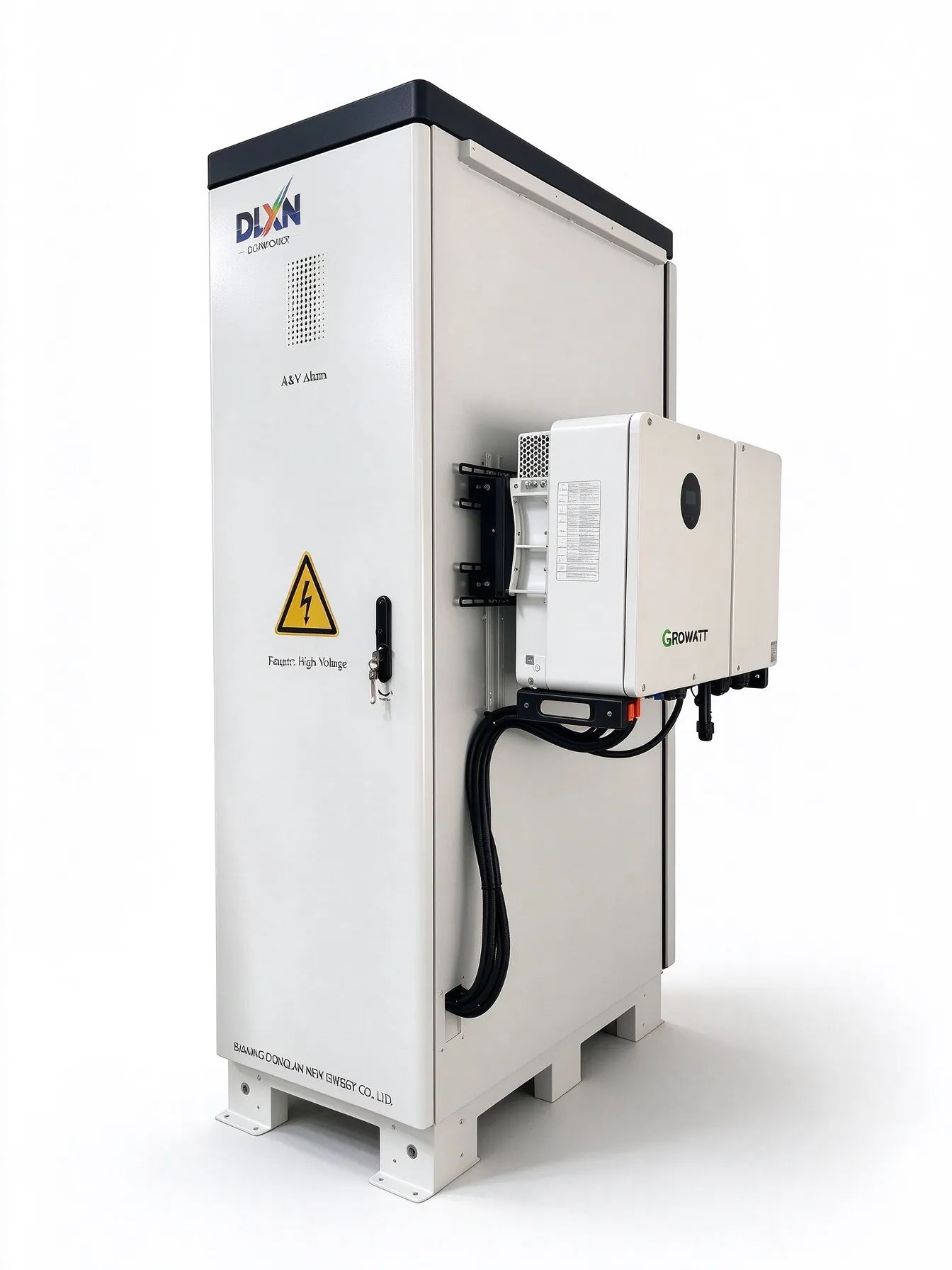
Cooling choice. For cabinets above roughly 200 kWh in Saudi conditions, liquid cooling or active air conditioning is usually the right answer. Forced-air cooling alone works only if the design has real thermal margin and the site allows airflow. We size the thermal system against the site, not against a datasheet.
Dust. Soiling losses are significant and cleaning is a real operating cost, not an afterthought. Access for cleaning should be designed in: row spacing, tilt, and where the modules sit relative to the roofline.
Sand ingress. IP55 is the minimum for outdoor cabinets, and door seals, filter design and positive pressure matter more than the rating number. Sand finds every gap.
Module temperature coefficient. High-irradiance sites amplify the difference between module technologies. Two modules with the same nameplate power can differ by several percent in annual yield at 45°C ambient. Ask for the temperature coefficient, not just the STC efficiency.
What actually sells, and what does not
The segments where a Chinese mid-size manufacturer is competitive:
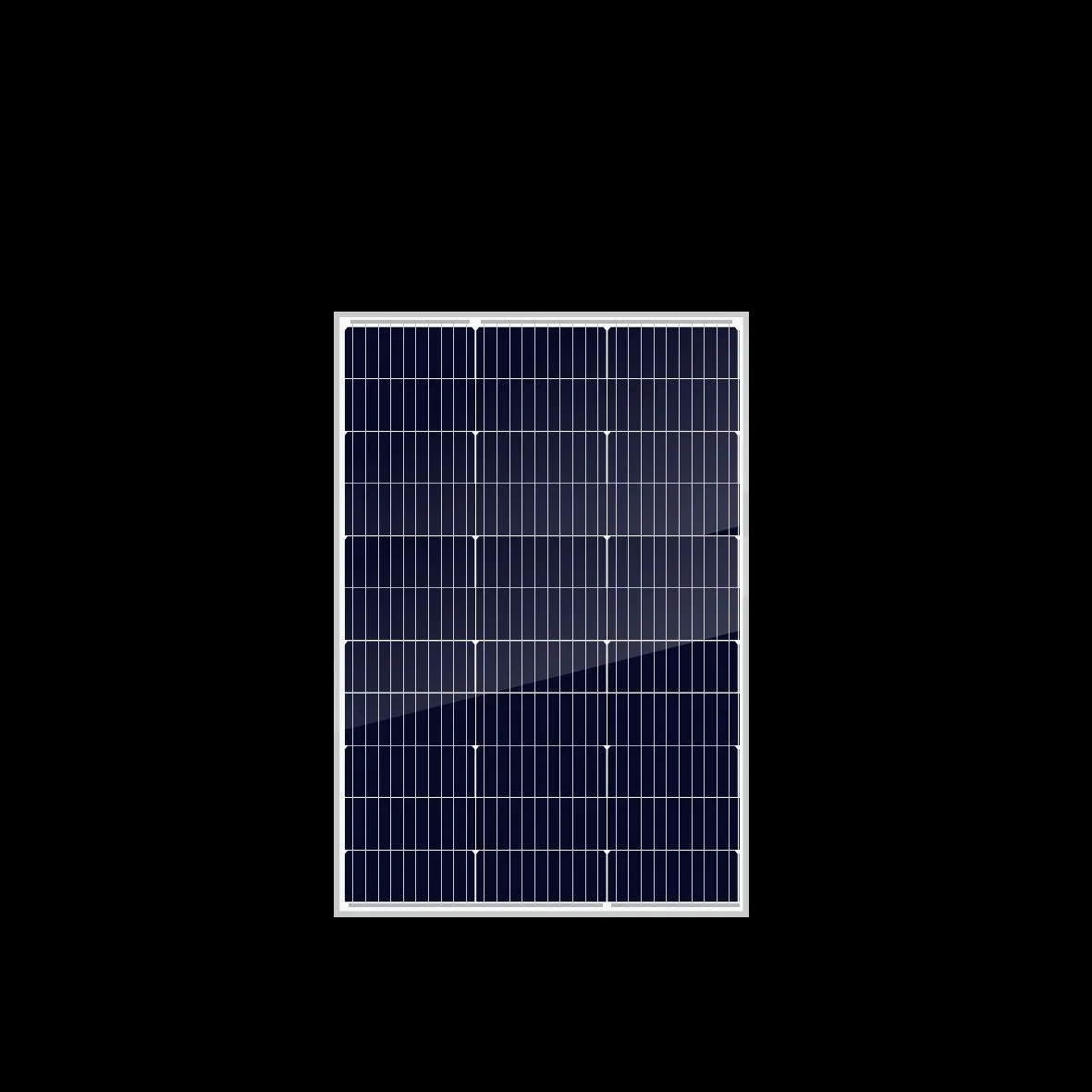
Custom and small-format modules for street lighting, telecom sites, monitoring, and remote pumping. Retrofit installations dominate here, so size and voltage customisation matter more than price per watt.
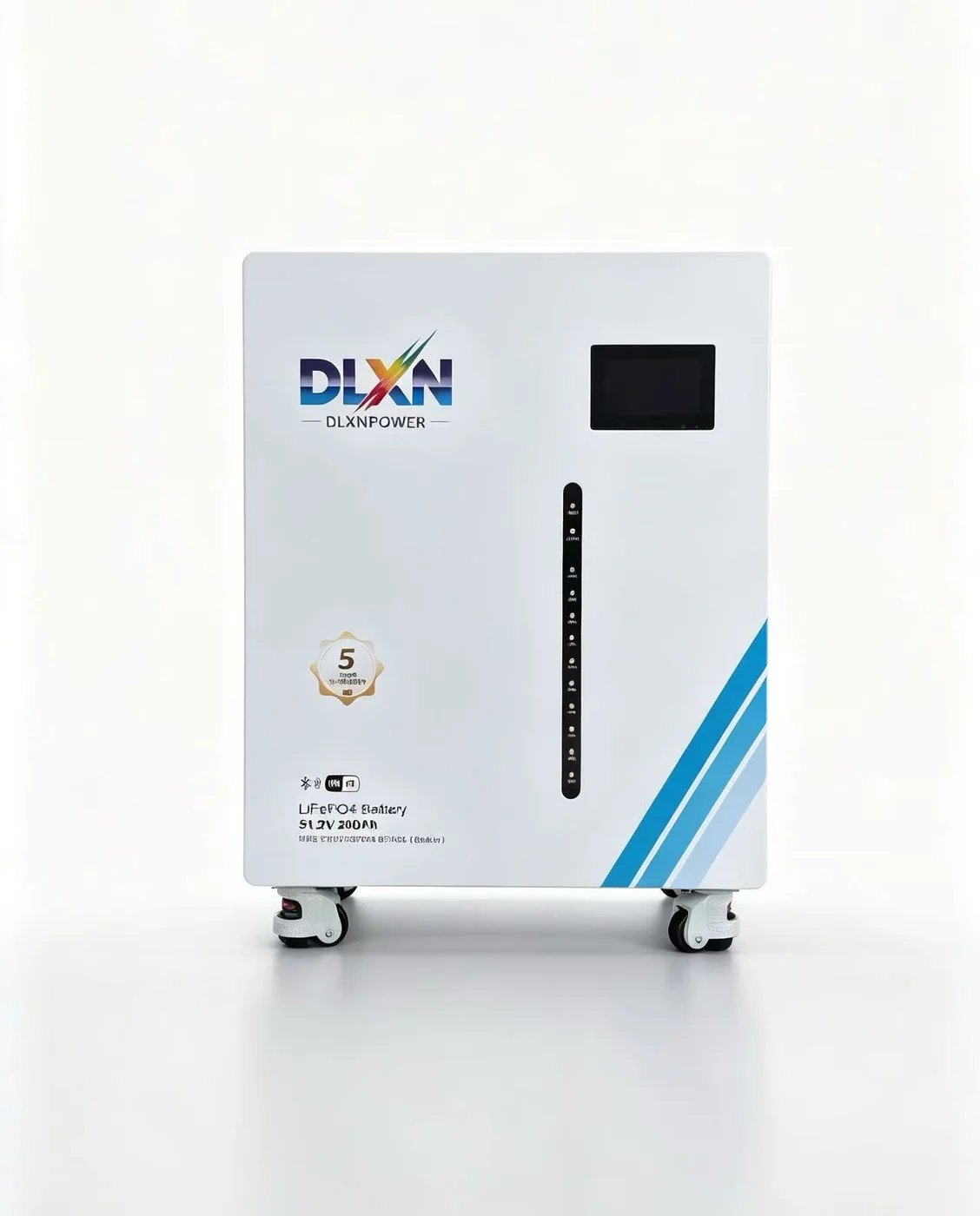
Battery cabinets in the 100–260 kWh class for commercial sites and remote camps, paired with hybrid inverters that accept generator input.
Off-grid packages for desert camps and agricultural sites: solar, storage, generator, and an EMS that decides which source runs.
The segments where we do not compete, and say so: utility-scale ground mounts, projects requiring bankable tier-one documentation for lender approval, and anything in the multi-megawatt class. Those go to the large EPCs and tier-one suppliers, and pretending otherwise wastes everyone's time.
Delivery, terms and timing
FOB China for buyers with their own freight forwarder. CIF Dammam or Jeddah for those who want freight handled. DDP exists but carries valuation and clearance risk and should be priced with a margin for surprises.
Ports: Jeddah (Red Sea), Dammam (Gulf), and Riyadh dry port for inland destinations. Transit from Shanghai to Jeddah is typically around three weeks plus clearance.
Lead time: stock items 15–30 days, custom modules 20–30 days, plus two to three months if a new model needs testing before the PC can be issued. Start the PC before the order, not after. Buyers commit to a delivery date and the certificate sits in the critical path.
What we do for Saudi Arabia
Donglan supplies custom 20–650 W modules, 100–260 kWh cabinets and hybrid inverter packages, with IEC 61215/61730, IEC 62619, UN38.3, CE and MSDS documentation, and we can provide the system-level configuration: load calculation, single-line diagram, mounting layout and BOM.
For high-ambient sites we specify the thermal solution against the actual site temperature and give the derating curve rather than the nameplate. On projects needing UL certification or utility-scale scope, we tell the buyer to go elsewhere.
Send the load list, the site coordinates and the target commissioning date, and we will come back with a configuration and a schedule before we discuss price.