Pakistan has one of the fastest-growing distributed solar markets in the world, and the reason is not climate policy. It is the electricity bill. Tariffs have risen sharply, capacity charges sit on the bill whether you consume the power or not, and outages still happen. When a factory owner can cut his bill by covering his own roof, he does.
That demand is real, but the business has changed shape in the last two years, and suppliers still quoting the old economics look out of date to anyone who follows the regulations.
What changed: net metering became net billing
The regulator moved the buyback arrangement for exported solar. Under the earlier net metering regime, units exported to the grid were credited close to the retail tariff. Under the revised net billing approach, the credit for exported units is set much lower, closer to the wholesale or avoided-cost level.
The consequence is simple: sizing a system to export is no longer the business. Sizing it to self-consume is.
In practice that means:
- A commercial system should be sized to the daytime load profile, not to the roof area.
- Battery storage becomes more valuable, because shifting surplus into the evening replaces an export credit that is worth less than before.
- Any proposal that still shows a payback based on exporting most of the production should be treated as out of date.
This is the single most useful thing a supplier can demonstrate competence on in Pakistan right now. Buyers are being sold five-year paybacks by people using three-year-old assumptions.
Tariffs, capacity charges and the case for storage
The bill has two components that matter. The energy charge per unit, which has climbed, and the capacity charge, which is levied on sanctioned load or maximum demand regardless of consumption. Reducing peak demand reduces the second one.
That makes two products relevant:
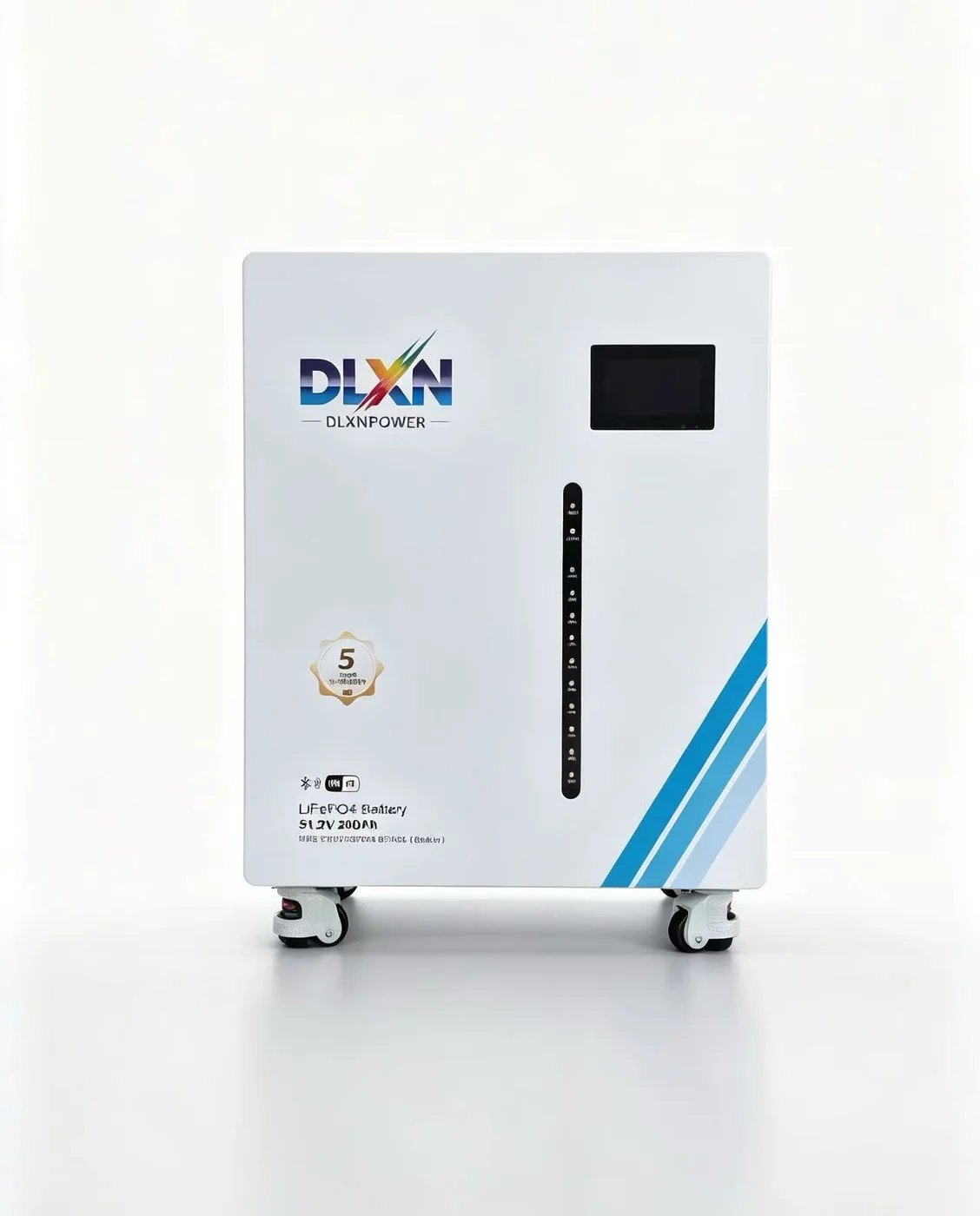
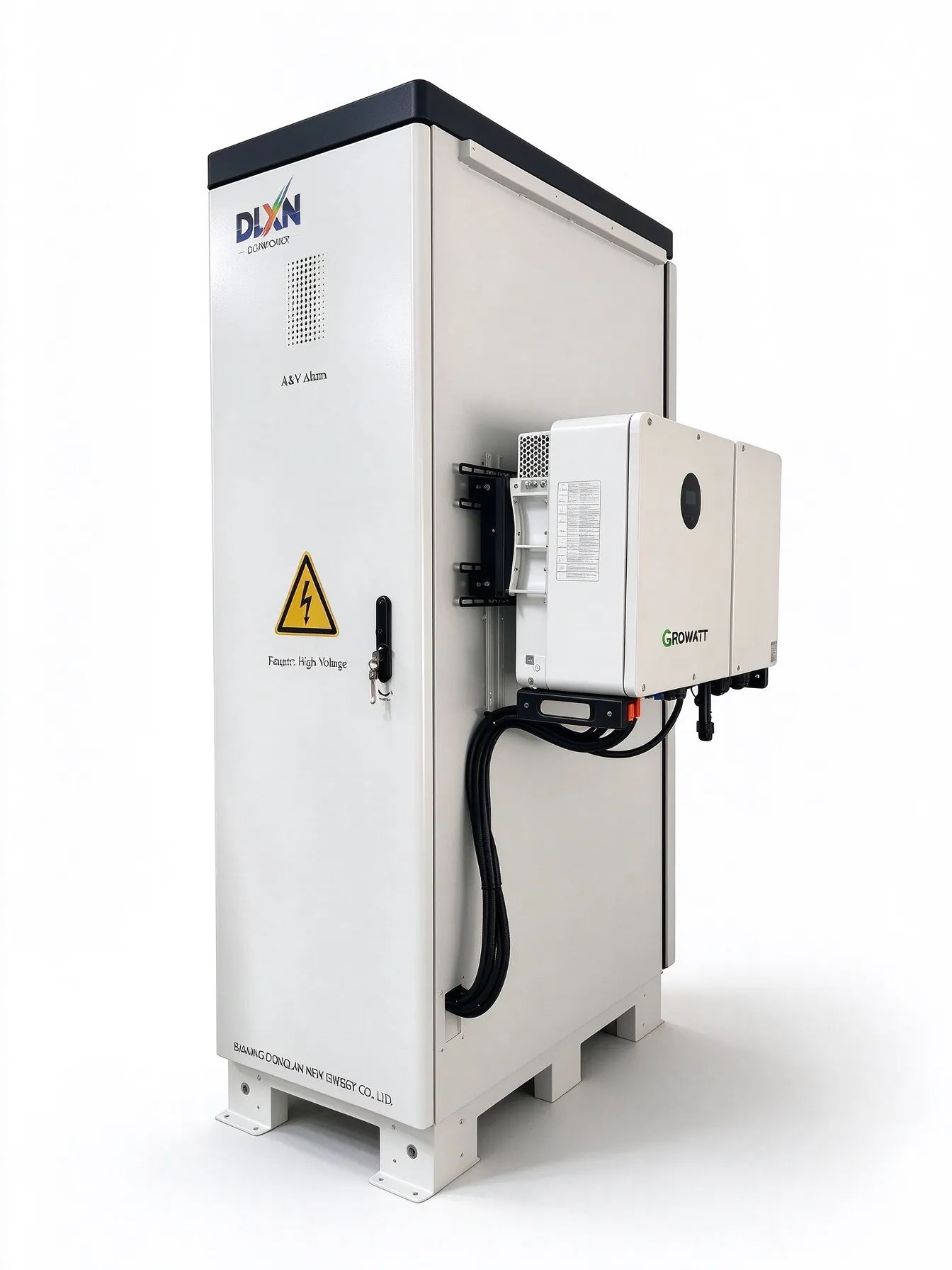
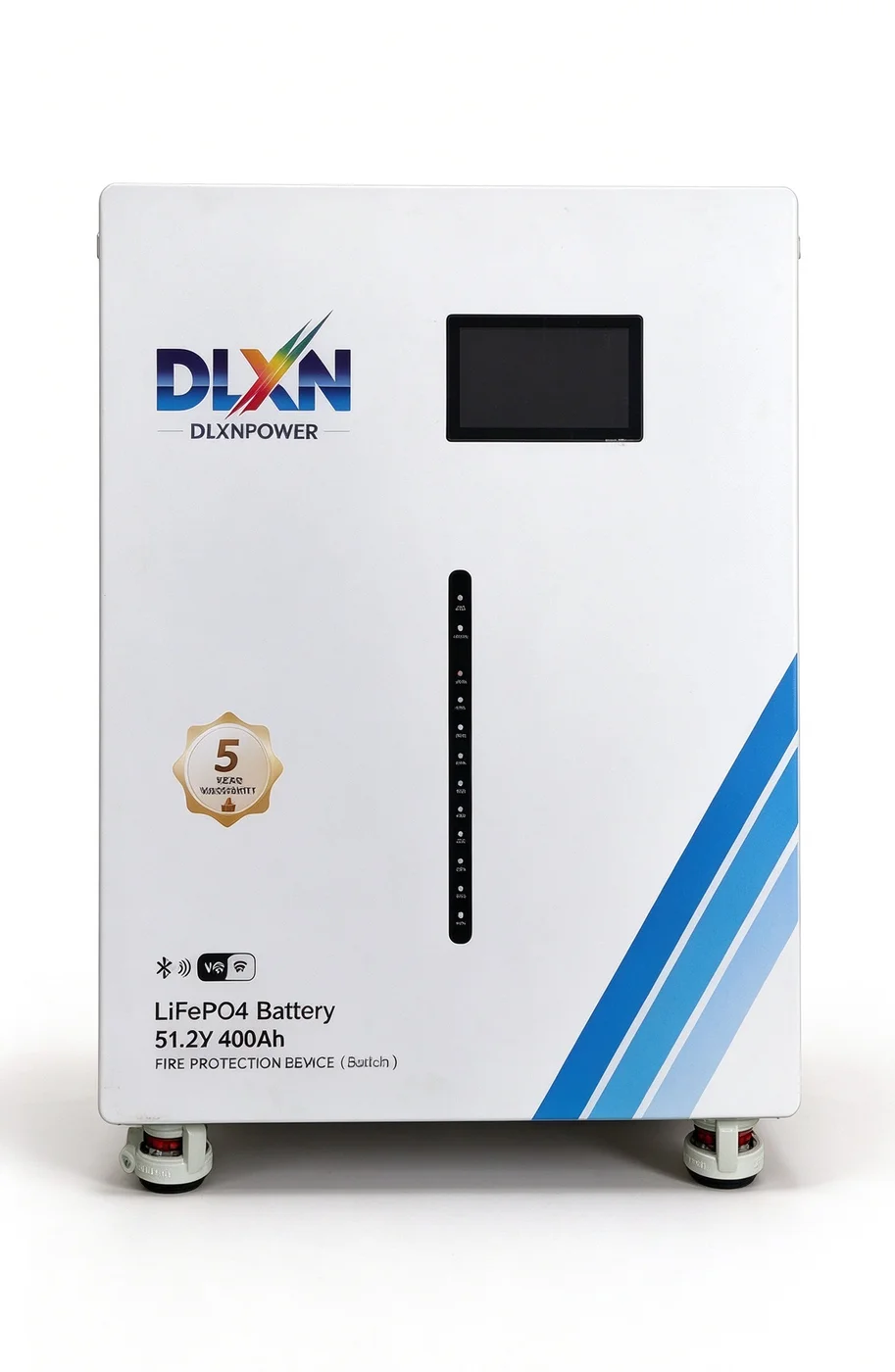
Storage for peak shaving on commercial and industrial sites, sized to clip the demand peak rather than to run the whole site.
Backup for outage ride-through, sized on critical load rather than total load.
Both are hybrid systems with generator input, because most sites that can afford a battery also already run a generator.
Conformity and import reality
Pakistan's conformity framework runs through PSQCA, with pre-shipment inspection requirements for some categories and standard-based clearance at the port. In practice, the documents buyers ask for are the international ones: IEC 61215 and IEC 61730 for modules, IEC 62619 and UN38.3 for batteries, MSDS, and a test report from a recognised laboratory.
Two administrative realities to plan around. Import financing has been constrained in recent years under the IMF programme, so letters of credit can be slow or rationed, and buyers sometimes prefer documentary collections or staged shipments. And clearance at Karachi rewards documentation that matches exactly: invoice description, HS code and packing list must agree with what is physically in the container.
Ports: Karachi (KICT, PICT) and Port Qasim. Transit from China around three weeks plus clearance.
Heat and the grid
Summer temperatures of 45°C and above are normal across Punjab and Sindh. This is the specification driver.
- Derating. A cabinet quoted at 25°C nameplate will not deliver that at 48°C. Air-cooled units derate hard. Ask for the curve.
- Dust. Continuous soiling. Cleaning access is part of the design.
- Monsoon. In July and August, humidity and rain arrive together. Enclosure seals and corrosion protection matter.
- Grid quality. Voltage swings and frequency variation are common. Grid-tied inverters need a wide tolerance window, and protection settings should not be at the edge of the standard.
- 50 Hz, 230/400 V. Same as most of Africa and Europe; equipment standard for those markets fits.
The segments that buy
Agricultural pumping across Punjab and Sindh. The sizing question is daily water volume against head, not array wattage. Pump controller matching, dry-run protection and the ability to start against head pressure decide whether it works.
Residential and small commercial backup. Where outages are frequent, a hybrid inverter plus a battery sized on critical load is a standard purchase. The market is price-sensitive and driven by the bill.
Commercial and industrial rooftops. Factories and warehouses, sized to self-consumption, increasingly with storage to shift surplus into the evening peak.
Street lighting for cantonment boards, housing societies and industrial estates.
What sells, and what does not
Sells: custom 20–650 W modules for pumping, lighting and telecom; 100–260 kWh cabinets for commercial peak shaving and backup; hybrid inverters with generator input; complete off-grid packages.
Does not sell from a mid-size Chinese manufacturer: utility-scale grid-forming projects and anything requiring tier-one bankability documentation. On those we say so.
What we do for Pakistan
Donglan supplies custom modules, cabinets and hybrid packages with IEC 61215/61730, IEC 62619, UN38.3, CE and MSDS documentation, and we provide the system-level design: load calculation, single-line diagram, mounting layout, BOM.
For pumping projects we work from water volume and head. For commercial systems we size to the load profile and show the self-consumption ratio, because in the current regulatory environment that is the number that decides the payback.
What we do not do: utility-scale grid-forming, and anything requiring UL certification.
Send the site location, the load profile or water requirement, and whether the buyer prefers LC or documents against payment, and we will come back with a configuration and a schedule.