Kenya is a market with two solar businesses running at once. Grid-connected commercial systems pay back because tariffs are high and outages are frequent. Off-grid systems sell because a large part of the country is agricultural, remote, and needs power for pumping, cooling and lighting rather than for air conditioning.
A supplier coming from China needs to understand both, because the specification is different: one is a tariff-arbitrage and backup story, the other is a diesel-replacement story.
Tariffs are high, the grid is unreliable
Industrial and commercial electricity in Kenya is expensive by regional standards once levies and taxes are included, and outages are common enough that most commercial sites have either a generator or a stabiliser. That combination is the best possible case for solar plus storage: a system that shaves the daytime tariff and carries the critical load through a cut.
Two practical consequences:
Battery sizing is driven by backup duration, not just arbitrage. Commercial buyers want the system to ride through a two to four hour outage without starting the generator. That means the battery is sized on critical load, not on total consumption.
Hybrid inverters with generator input. The generator does not disappear. The system needs two-wire start, load prioritisation, and the ability to charge from both solar and generator.
Net metering exists under EPRA regulation, but the export credit mechanism has been revised over the years, so the business case should not rely on exporting surplus. Self-consumption is the reliable assumption.
PVoC: inspection before shipping, not after
Kenyan conformity for regulated products runs through KEBS and the PVoC programme (Pre-Export Verification of Conformity). The mechanics:
- An inspection is carried out in the country of export by a designated agency, against the applicable standard.
- A Certificate of Conformity (CoC) is issued for the shipment.
- On arrival, the CoC is what allows clearance. Without it, the goods sit.
Two things trip up first shipments. First, the inspection has to be booked while the goods are still in the factory or warehouse, so the timeline starts before the container leaves. Second, the CoC is per shipment and per model; a mixed container needs every model covered.
The importer also needs an Import Declaration Form (IDF) opened before shipment. That is the buyer's action, and it should be in motion before booking.
Beyond PVoC, the technical file matters: IEC 61215 and IEC 61730 for modules, IEC 62619 and UN38.3 for batteries, MSDS for cells and cabinets. Buyers increasingly ask for these regardless of whether the specific product category is regulated, because their own customers or lenders ask.
The segments that actually buy
Solar water pumping. Irrigation, livestock, and small-scale water supply. The winning feature is not module efficiency, it is the pump controller matching: MPPT range, dry-run protection, and the ability to start against head pressure. Sizing follows daily water volume, not array size.
Street lighting. County governments and road agencies procure these in lots. The constraint is usually the battery and the controller surviving heat and cycling, plus a maintenance plan that does not require a technician per pole.
Cold storage. Dairy, horticulture, fisheries. Small cold rooms running on solar plus storage plus a backup generator have a clear diesel-replacement case. The load is compressor start current, which is where undersized systems fail.
Telecom and monitoring sites. Small, remote, and reliability-critical. 200–600 W arrays with a battery sized for two to three days of autonomy are typical.
Commercial rooftop systems in Nairobi and Mombasa, for factories, warehouses, schools and hospitals. These are grid-tied with battery backup rather than pure grid-tie.
Technical points that matter locally
Highland versus coastal. Nairobi sits around 1,600 m with mild temperatures, which is good for modules and batteries. Mombasa and the coast are hot, humid and salty: C3 or better corrosion protection on enclosures and mounting, and real attention to door seals.
Irradiation is good, but the rainy seasons are real. Two wet seasons reduce yield and increase autonomy requirements. Battery sizing should use the worst month, not the annual average.
Lightning and surges. Inland storms are frequent. DC and AC surge protection plus proper earthing is not optional; a large share of inverter failures in the region trace back to this.
Dust and access. Roadside and agricultural sites get dirty. Design for cleaning access and do not assume rain will do the work.
Theft. Panels and batteries are stolen. Mounting hardware that resists casual removal, and enclosures that can be locked, are part of the specification rather than an upsell.
Delivery and terms
Mombasa is the main port. Transit from China is typically around three to four weeks plus clearance. CIF Mombasa for buyers who clear themselves, FOB China for those with their own forwarder.
Payments are usually a deposit with the balance against documents, or a letter of credit for larger orders. The shilling moves, so quotes are typically in USD with a validity window.
Lead times: stock 15–30 days, custom modules 20–30 days, plus testing time if a new model needs IEC reports for the technical file.
What we do for Kenya
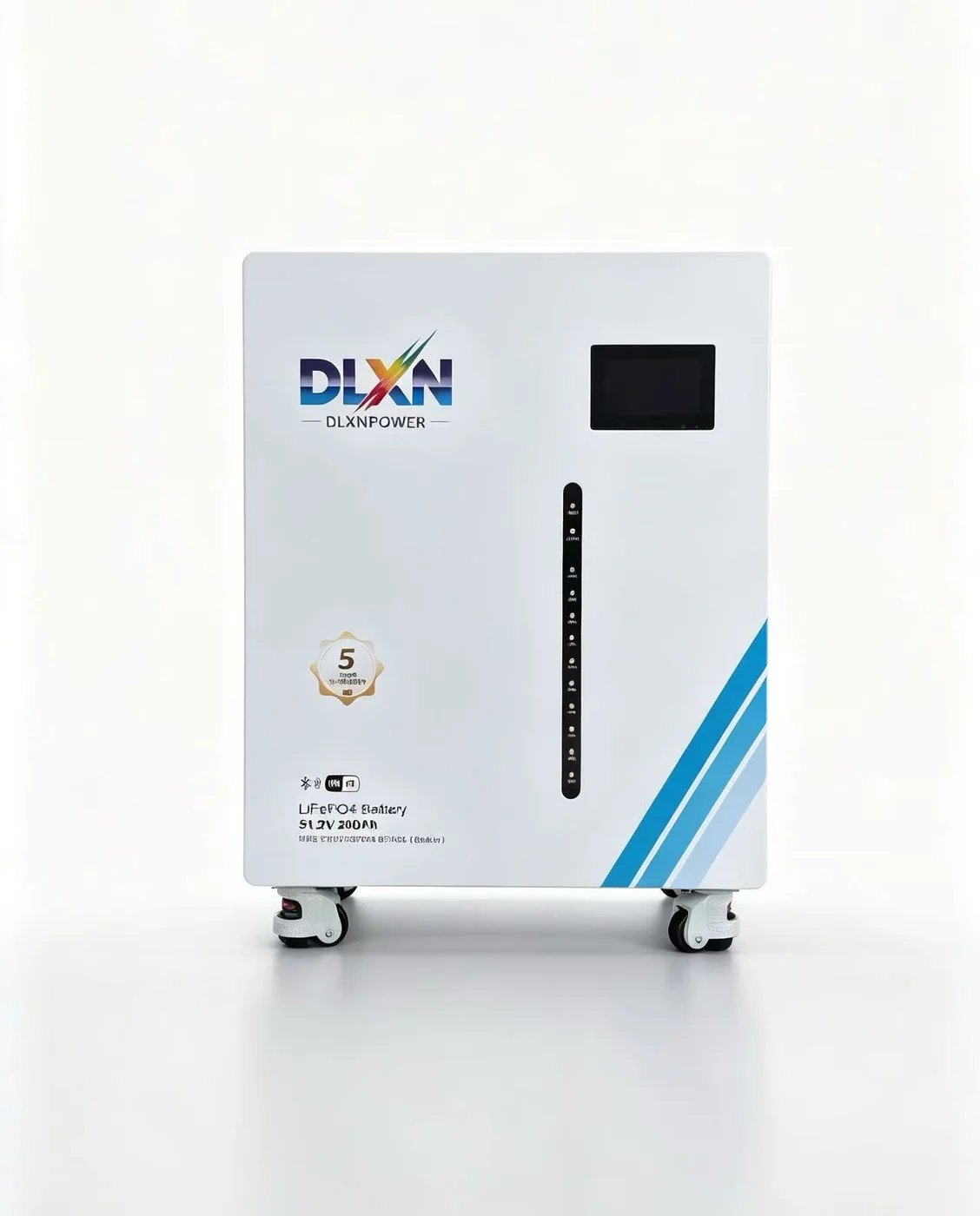
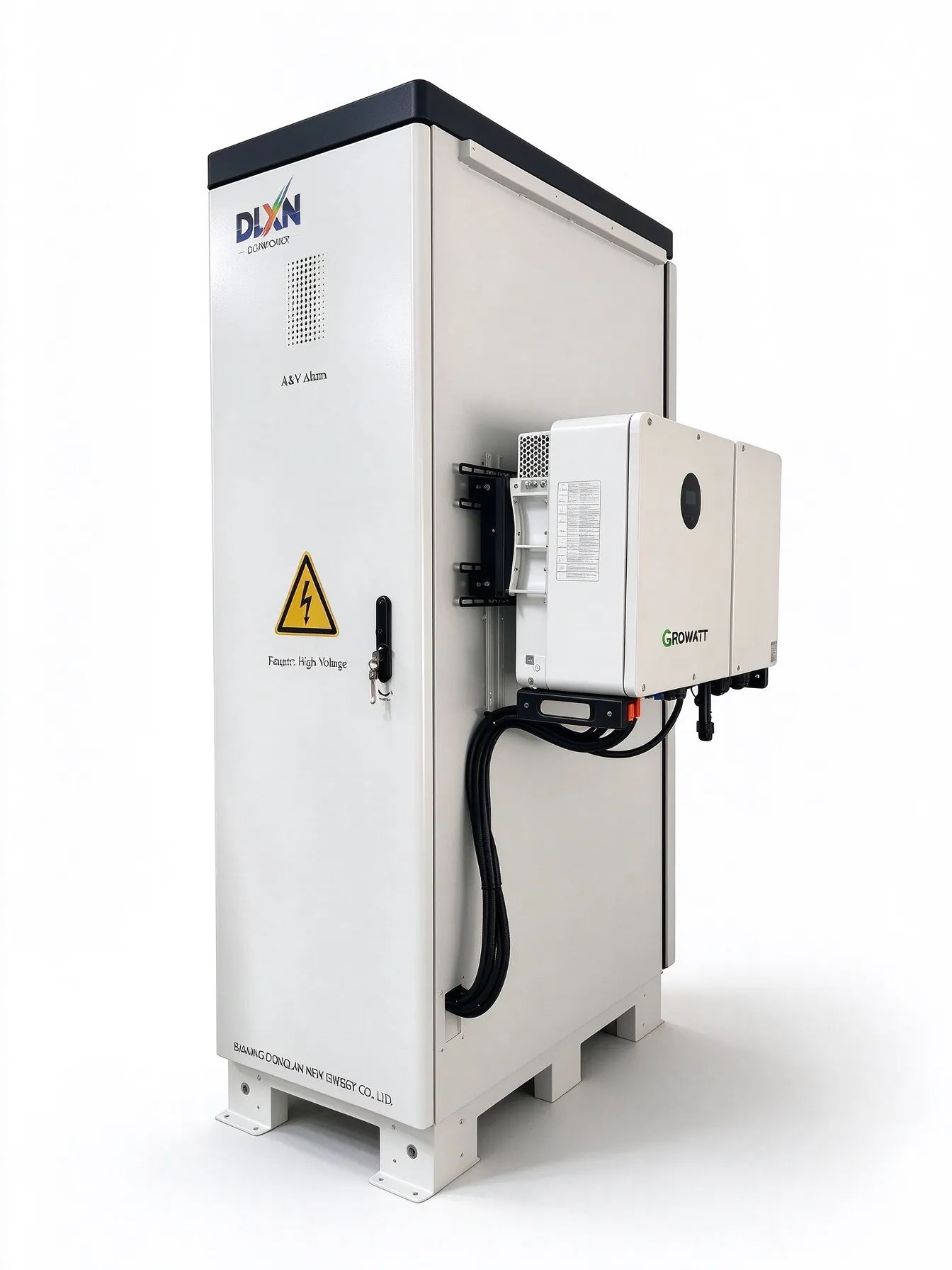
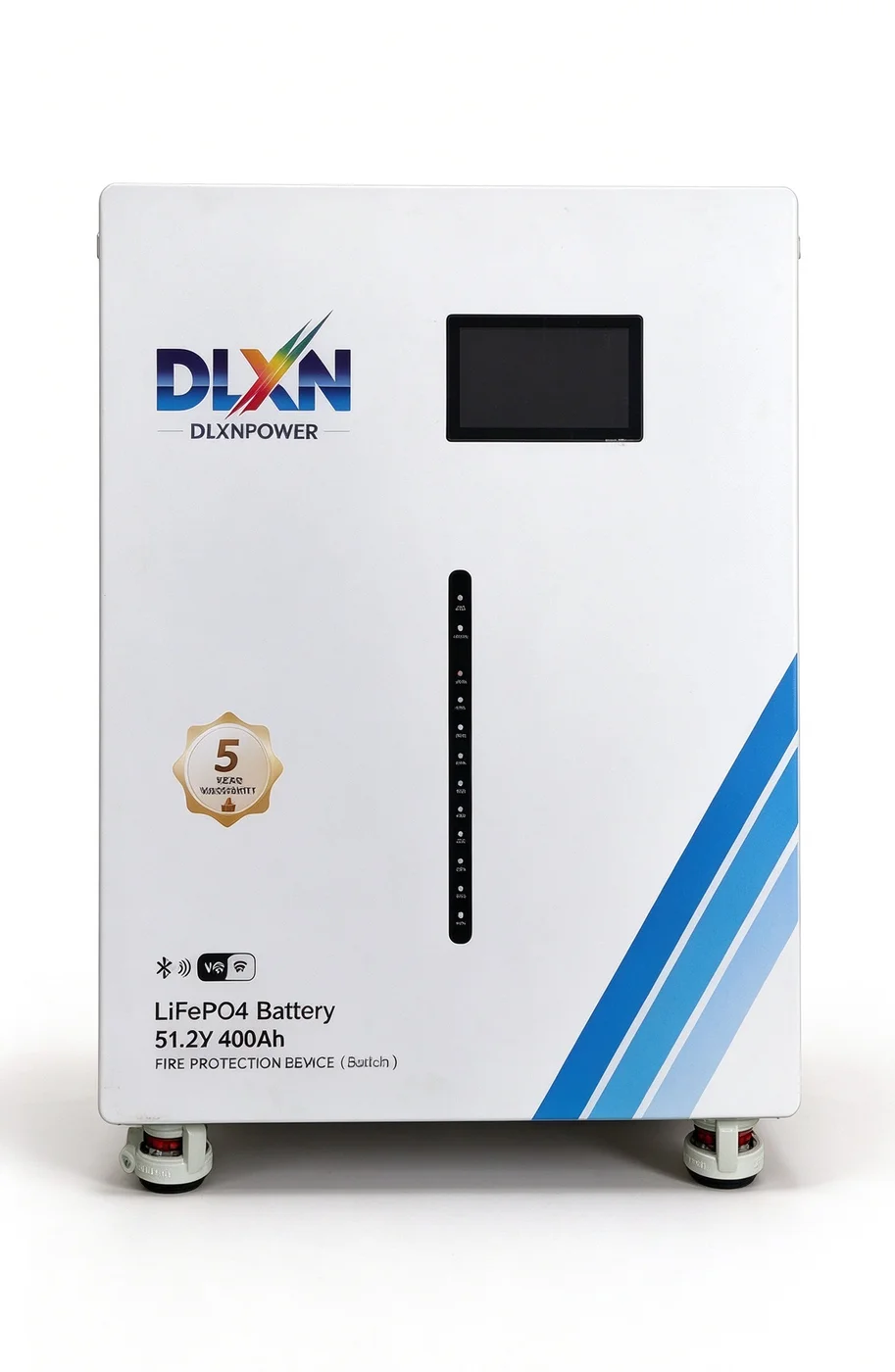
Donglan ships custom 20–650 W modules, 100–260 kWh cabinets, hybrid inverters and complete off-grid packages, with the documentation set that PVoC and Kenyan buyers ask for: IEC 61215/61730, IEC 62619, UN38.3, CE and MSDS, with test records retained per serial number.
For pumping and lighting projects we work from the load and water requirement rather than from a standard kit. For commercial systems we provide the load calculation, single-line diagram and a derating figure for the site temperature.
What we do not do: utility-scale grid-forming projects, and anything requiring UL certification. On those we say so rather than quote.
Send the site location, the daily load or water requirement, and the delivery window, and we will come back with a configuration and a schedule.