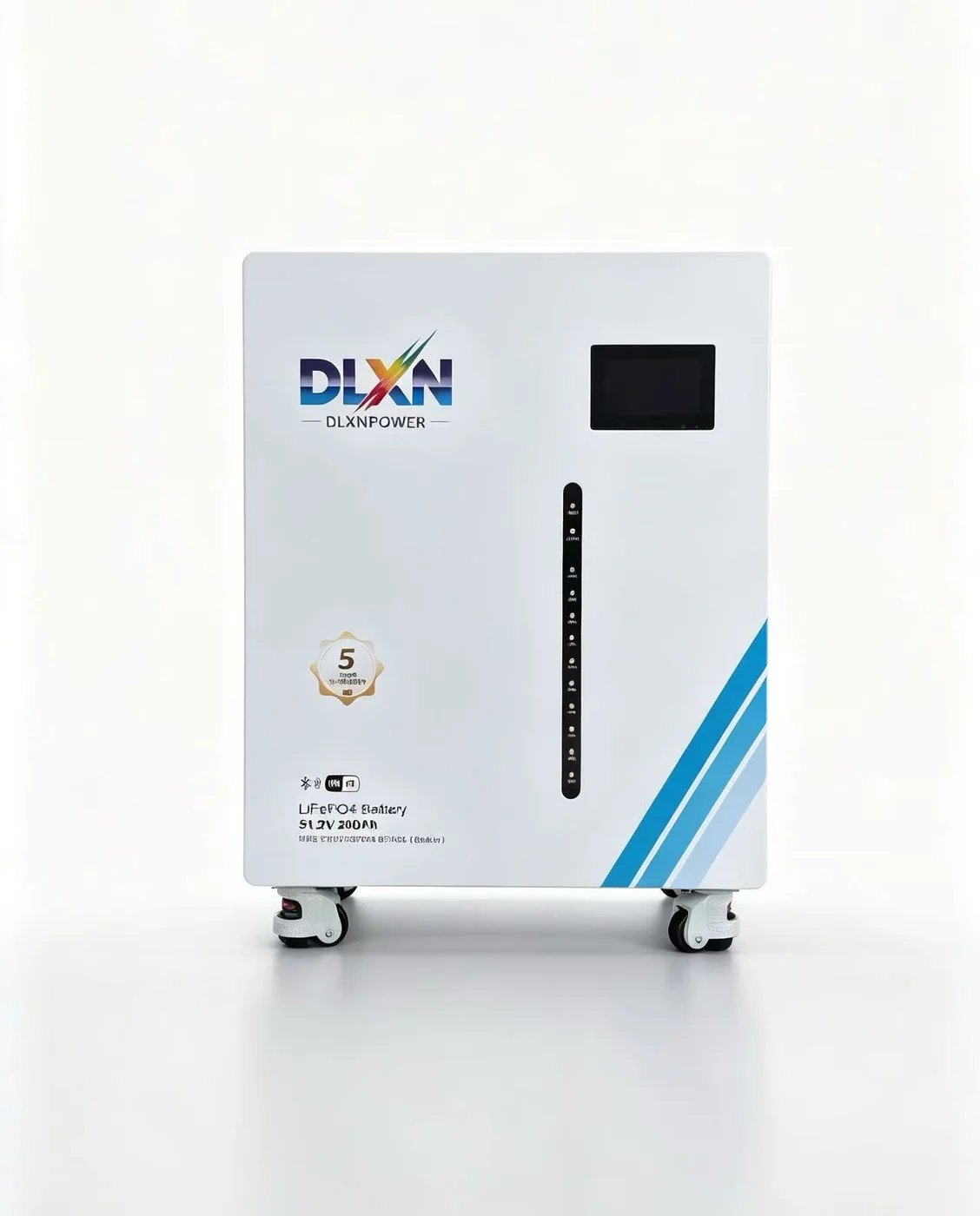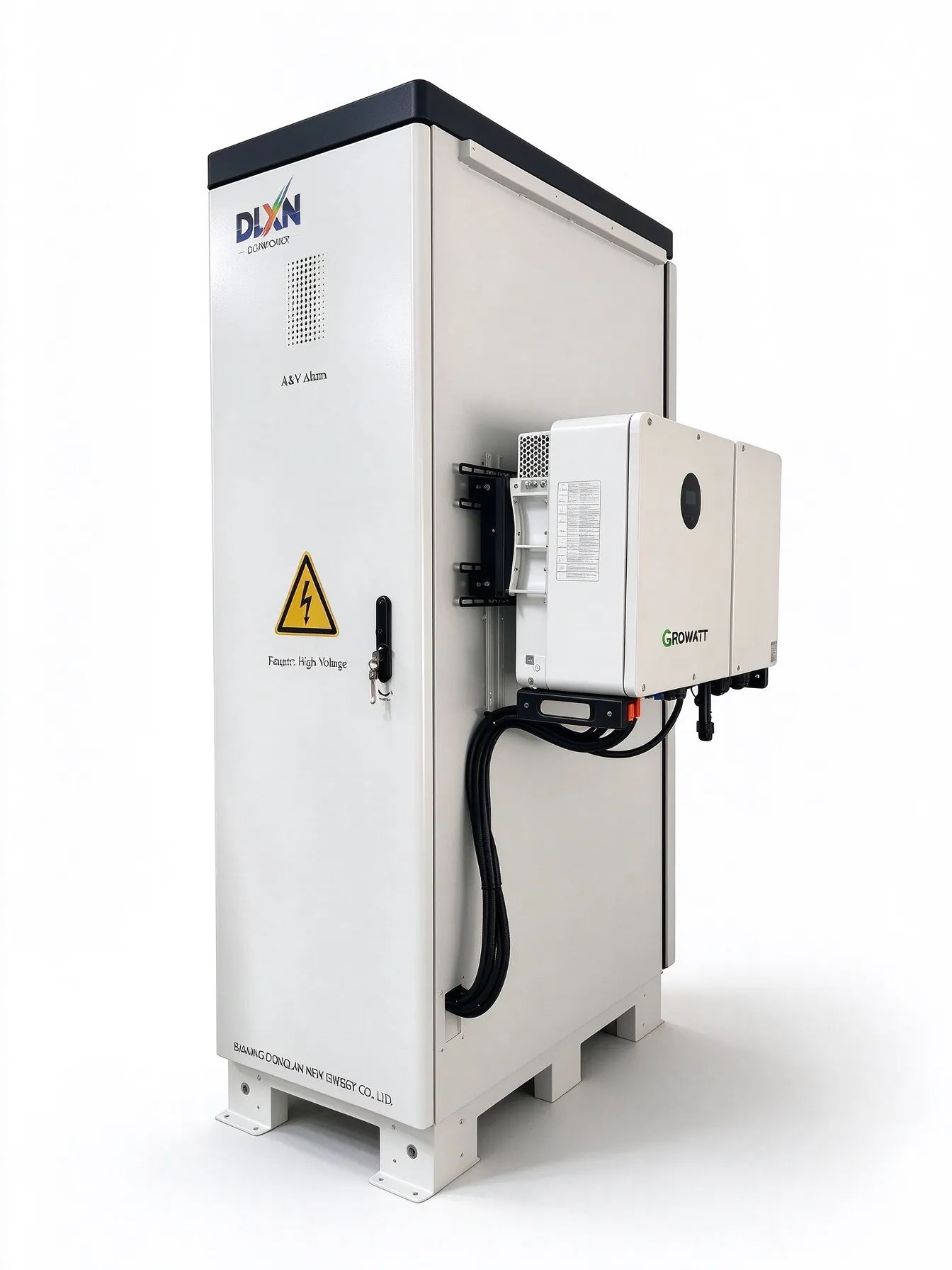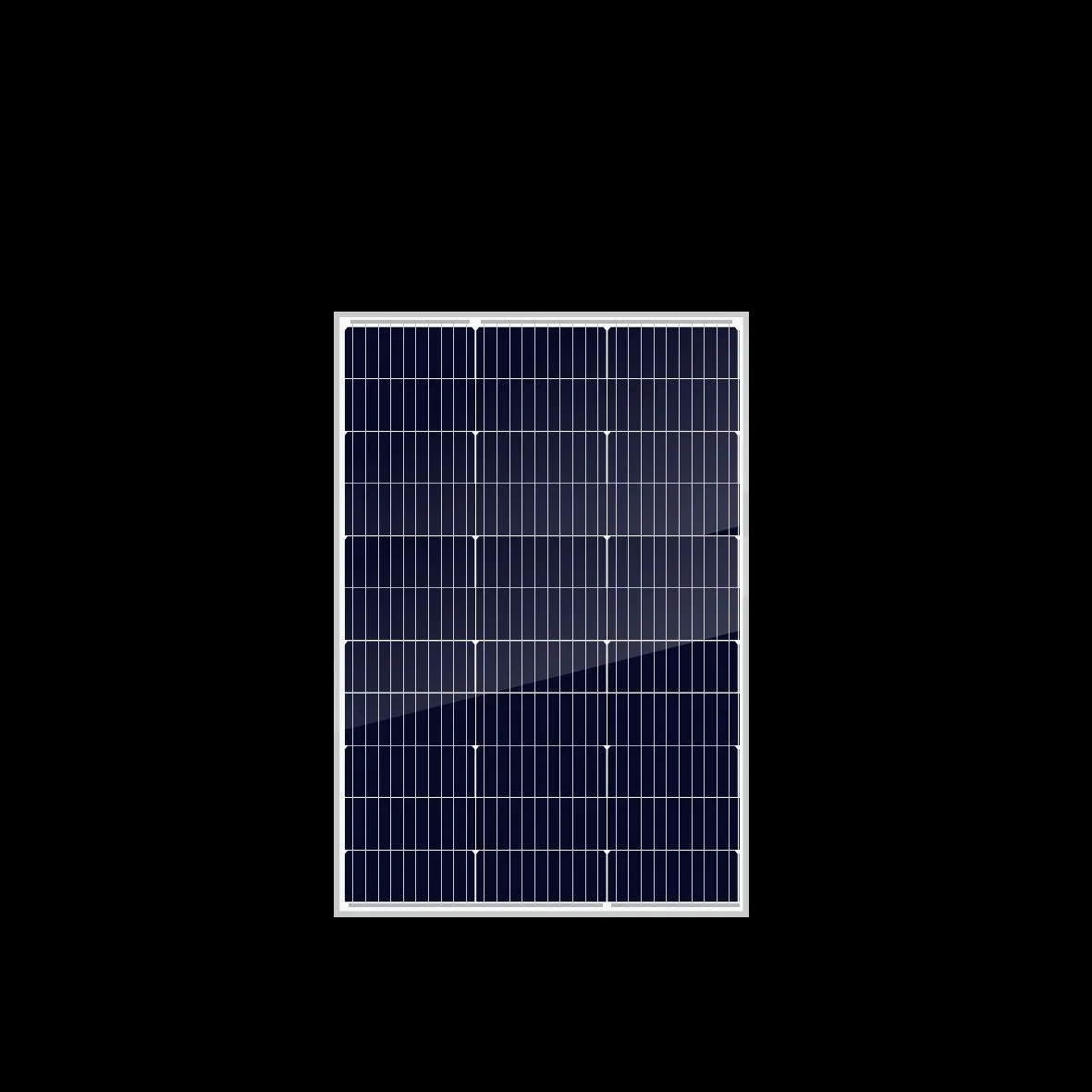
The expensive failure in export is not freight cost. It is a container sitting at destination because the paperwork does not clear. Demurrage and detention run a few hundred dollars a day, and the argument over who caused it runs longer than that. Almost all of these cases trace back to certification or documents, and all of them were avoidable before the goods left the factory.
Below is what PV modules and battery cabinets each require, mapped by destination, plus the document set and the timing that actually matters. Confirm current requirements with your forwarder and the destination authority; the framework here is what to check, not legal advice.
PV modules: certification by market
| Market | Typically required | Notes |
|---|---|---|
| EU | IEC 61215, IEC 61730, CE-related (RoHS/REACH), WEEE registration | Modules are not in the CE directive list themselves, but channels require the file; WEEE registration is checked in several member states |
| UK | As above plus UKCA | Separate regime since Brexit |
| Middle East | Saudi SASO via SABER, IECEE recognition, UAE ESMA | Saudi requires PC and SC certificates on the SABER platform before shipment; without them the consignment stops |
| Africa | Nigeria SONCAP, Kenya PVoC, Egypt GOEIC | All are pre-shipment inspection plus certificate; inspections must be booked ahead |
| Latin America | Brazil INMETRO | Long lead time, allow three months |
| North America | UL 61730 (formerly UL 1703) | Few Chinese mid-size manufacturers hold it; confirm before bidding |
Certificates are issued per model and per manufacturing site. A size change, a power change, or moving from glass-backsheet to glass-glass creates a new model that the existing certificate does not cover. Budget USD 4,000–12,000 and 2–3 months for a fresh campaign, and build that into the quotation rather than discovering it after the order.
Battery cabinets: more layers
| Layer | Standard | Notes |
|---|---|---|
| Cell and battery system | IEC 62619, UN38.3, MSDS | Non-negotiable for export |
| EU electrical | CE (EMC: EN 61000-6-2 / 6-4), LVD where a PCS is integrated | CE is self-declared, but buyers ask for the test report |
| EU battery regulation | EU 2023/1542 | Phased: carbon footprint declaration, recycled content, battery passport. Industrial batteries above 2 kWh are in scope. Check the current timeline before quoting a delivery date |
| North America | UL 1973, UL 9540, UL 9540A | 9540A is the thermal runaway propagation test and is decisive for fire review |
| Australia | AS/NZS 5139 | Applies to residential and commercial installations |
Three UN38.3 problems account for most rejections: a report older than the carrier's acceptance window (often three years), a report whose model does not match the shipment, and a report covering only cells rather than the battery system. Any one of them stops the booking.
The document set
Standard commercial documents: proforma invoice, commercial invoice, packing list, bill of lading, certificate of origin (general CO, FORM E for ASEAN where applicable), and a customs declaration data sheet covering description, HS code, material, purpose and brand.
Additional for lithium batteries and cabinets:
- UN38.3 test summary (cells and system)
- MSDS, current revision, 16 sections complete
- Dangerous goods packaging certificate (the Chinese export packaging appraisal certificate) — lithium batteries ship under UN3480 when shipped alone or UN3481 when packed with equipment; without this certificate the carrier will not accept the booking
- DG declaration, with carrier approval typically taking 3–7 days
- State of charge declaration, commonly ≤30%, required by several carriers
HS codes, to be confirmed with your broker because classification affects rebate and licensing: PV modules 8541.43, lithium batteries 8507.60, inverters 8504.40. An integrated cabinet with a PCS is classified case by case; do not decide it yourself.
Packaging
Lithium batteries are class 9 dangerous goods. Inner packaging must prevent short circuit, outer packaging must meet strength requirements, and marking must include the UN number, the lithium battery label and orientation marks.
Battery cabinets are heavy and top-heavy. The crate base should be dimensioned around the centre of gravity, fitted with skids for forklift handling, reinforced with steel strapping, and closed with screws rather than staples so customs can open and reseal it. Mark gross and net weight, dimensions and the UN number on the outside.
Wood packaging must comply with ISPM 15 (heat treated or fumigated, with the IPPC mark). Non-compliant timber is refused or destroyed at destination, and the disposal cost can exceed the value of the shipment.
Loading reference: a 40HQ takes 12–18 commercial cabinets depending on cabinet size and crating design. Do not estimate from bare unit dimensions.
Six delays that keep happening
Model mismatch. A certificate for a 100 kWh unit used to ship 120 kWh. IEC 62619 certificates are issued for a capacity and configuration; they do not span capacities.
Expired UN38.3. Found a week before sailing, with retesting taking 3–4 weeks.
Packaging certificate not started early. It is issued by customs at the place of origin and takes 7–15 working days. Many factories assume it happens with export declaration; meanwhile the cabinets sit finished on the floor.
Destination conformity certificate missing. Several Middle East and African markets require pre-shipment inspection and certification by a designated body. It cannot be obtained after arrival.
Non-compliant timber. Untreated solid wood, refused at the port.
Invoice, packing list and B/L disagreeing. Destination customs flags any discrepancy in description or quantity, and the correction cycle eats the free storage window.
A 30-day pre-shipment sequence
- Confirm the destination certification list with the buyer or forwarder — do not work from memory
- Check that certificate models match this shipment and are in date
- Verify UN38.3 and MSDS revisions against the actual batch
- Start the dangerous goods packaging certificate 15 days ahead
- Book space with the DG declaration and wait for carrier approval
- Procure ISPM 15 compliant crates with correct markings
- Reconcile HS codes and declaration data with the broker
- Do a three-way consistency check across invoice, packing list and B/L
One thing worth saying plainly
Certification and document work belongs in the quotation stage, not after the order. Buyers commit to a delivery date measured at their port. A test campaign takes two to three months; put it behind the order and the date slips by a quarter.
Donglan ships modules and cabinets to more than 40 countries. IEC 62619, UN38.3, CE and MSDS travel with every shipment, and test records are retained per serial number. For projects requiring UL 9540A for North America we say no rather than quoting around it.