News & Updates
Latest from DLXN Energy
Best solar battery for home in Nigeria: a 2026 buyer's ledger
What a 5 kWh pack actually costs in Lagos this month
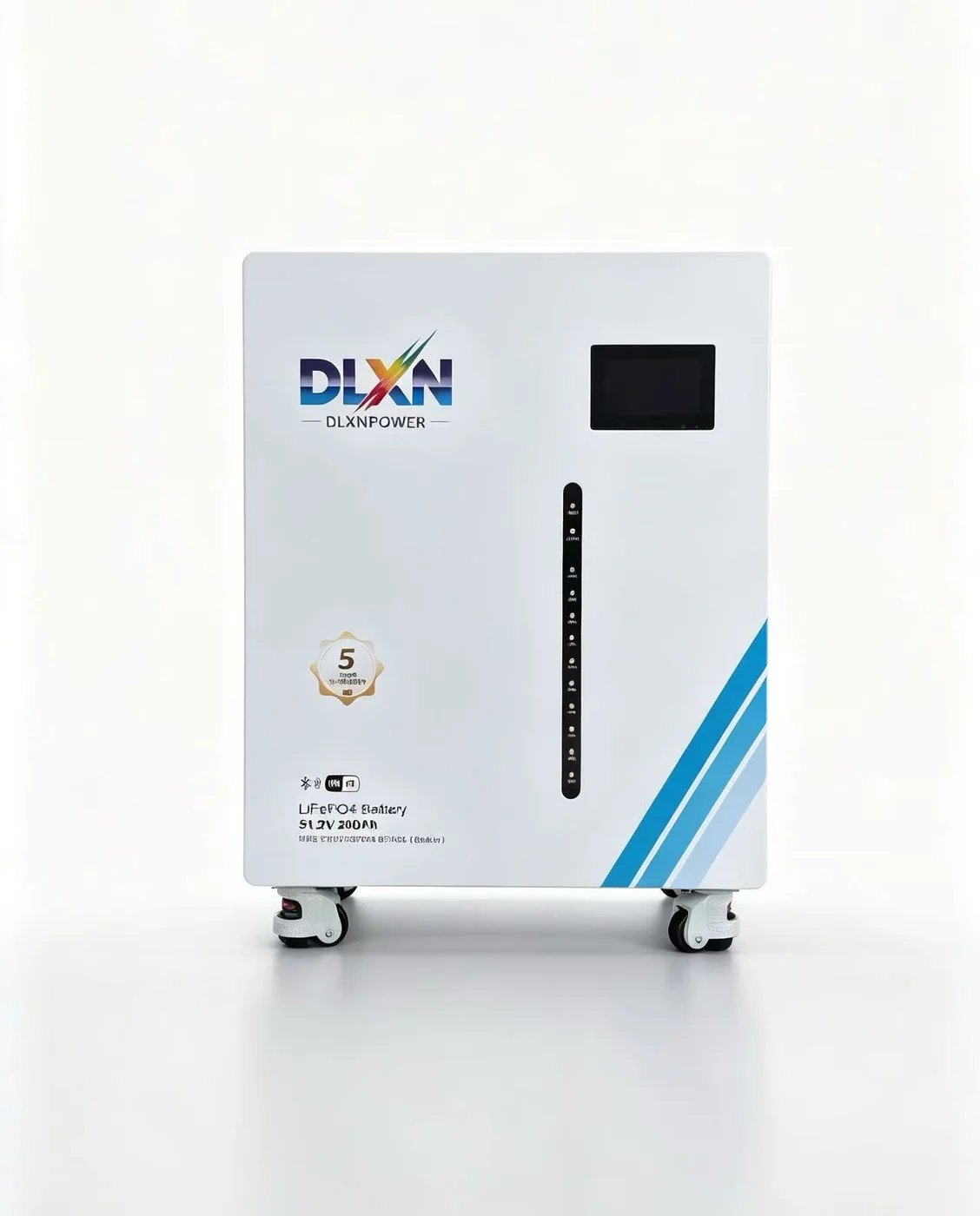
₦190,000 to ₦240,000 per usable kilowatt-hour. That is the band Lagos installers were quoting in the first half of November 2026, and it is the number that decides which product is the best solar battery for home in Nigeria. A 5 kWh lithium iron phosphate (LFP) pack lands between ~₦950,000 and ~₦1.2 million before inverter, mounting and labour; a 10 kWh pack roughly doubles that. Lead-acid looks cheaper at the till — ~₦450,000 for a 200 Ah tubular set — but delivers about half its nameplate as usable capacity and rarely survives three Lagos rainy seasons. Our market price guide tracks the spread weekly. The naira arithmetic moved twice this year. LFP cells are still bought in dollars, and with the currency trading around ₦1,500-1,600 through most of 2026, every freight cycle lands on the shelf price. The 2025 fiscal incentives that stripped VAT and import duty from a list of renewable energy components did take some pressure off, but dealers in Lagos say the relief is applied unevenly at the ports. BloombergNEF's most recent annual survey put average turnkey four-hour system prices near $165/kWh globally; landed cost in Apapa runs two to three times that once clearing, dealer margin and installation stack up. That gap, not chemistry, is why quotes for identical 5 kWh boxes can differ by ₦300,000 between Ikeja and Victoria Island.
Heat is the variable the datasheets hide
Lagos runs 30-34°C for most of the year, and a battery cabinet under a staircase or in a garage sits 8-10°C above ambient by mid-afternoon. NREL's cycling work on LFP cells has consistently shown fade accelerating roughly twofold between 25°C and 40°C. In practice, a pack rated at 6,000 cycles in a 25°C lab may deliver ~3,500 cycles in a Nigerian store room. Kano is harder still: April and May afternoons regularly touch 40°C, and sealed cabinets without ventilation push cell temperatures past the point where most ten-year warranties stay valid. This is the practical filter for the best solar battery for home in Nigeria. Any product whose datasheet quotes cycle life without a temperature qualifier, a depth-of-discharge figure and a continuous charge rate is hiding something. Ask for all three, plus the enclosure rating. IP54 should be the floor for a garage install in Port Harcourt, where humidity does as much damage as heat. The LiFePO4 price index breaks out what the temperature-graded units cost against commodity packs.
SONCAP, NERC and NEMSA: the paperwork layer
SONCAP is the first gate. Every battery imported into Nigeria needs a Product Certificate and a SONCAP Certificate, and the certificate number should be verifiable on the Standards Organisation of Nigeria's portal before money changes hands. Installers report that a meaningful share of the cheap 48V packs circulating in Computer Village and Wuse carry certificates issued against a different model number entirely. NERC's role is narrower than buyers assume. The commission regulates tariffs and licensing, including mini-grid permits, but it does not type-approve a domestic battery. NEMSA does the installation side, certifying wiring, earthing and metering under its 2015 Act. Since the start of 2026, inspectors in Abuja have been asking for test sheets on hybrid inverters, which is a change worth planning for. Buy from a supplier that can produce the residential ESS range documentation pack, not just a photo of a label.
Sizing, and the generator comparison that actually closes deals
A typical three-bedroom in Lekki with a fridge, freezer, fans, lights and a TV needs 5-8 kWh of usable storage and a 3.5-5 kW inverter. Add one inverter air conditioner in Abuja or Port Harcourt and the honest figure is 10-15 kWh. Oversizing the battery to carry a rainy-season week is almost never economic; sizing to carry overnight plus one cloudy day usually is. The payback case is still written against petrol. A 3.5 kVA genset burns roughly 1.5-2 litres an hour, and with petrol above ~₦950 a litre in Lagos that is ~₦1,500 an hour, or ~₦180,000 a month at four hours a day. A ₦1.8 million 10 kWh LFP system paired with 3 kW of panels pays back in roughly three to five years at that burn rate — and that is before the maintenance line, which on a Nigerian genset is rarely zero. Wood Mackenzie's residential storage work shows similar economics driving attach rates in markets with unreliable grids.
Five questions to ask before you pay
What is the cycle count at 80% depth of discharge, and at what ambient temperature? Which BMS, and can it be replaced locally? Is the SONCAP certificate number tied to this exact model? What does the warranty exclude — water ingress, ambient above 40°C, unapproved inverter pairing? And who does the NEMSA-compliant installation sign-off? Anyone shopping the best solar battery for home in Nigeria in late 2026 should treat the ₦/usable kWh figure, the temperature qualifier and the certificate number as the three real specs. Brand names travel badly across borders; paperwork does not. The lithium battery catalogue lists operating windows per model, and the solar battery storage topic page covers sizing worksheets for Lagos, Abuja, Port Harcourt and Kano.
Related products
In-stock models that match this article — specs and RFQ on each page.