News & Updates
Latest from DLXN Energy
GSA solar certification Ghana: what Accra installers face now
Tema Port, second week of November
At Tema Port in the second week of November 2026, a 40-foot container of 550 W monocrystalline modules was still sitting in a bonded yard three weeks after discharge, waiting on a certificate of conformity. The importer's email subject line read, in part, "GSA solar certification Ghana" — a phrase that now covers at least three different documents, none of them interchangeable. That confusion is costing people money in Accra, Kumasi and Takoradi. Importers use "GSA solar certification Ghana" to mean the Ghana Conformity Assessment Programme (G-CAP) certificate of conformity that clears a shipment at the port. Installers use it to mean the product certification a locally assembled lithium pack needs before a bank will finance it. Customers use it to mean the Energy Commission licence the installer is supposed to hold. The three processes sit with two different regulators, run on different timelines, and a document from one does not satisfy the others — a distinction that becomes expensive when a container is already on the water.
Two regulators, two different questions
The Ghana Standards Authority administers G-CAP, the destination-inspection regime that has applied to regulated imports since 2014. Regulated electrical products, which in practice includes PV modules, grid-tied inverters and lithium battery packs, need a certificate of conformity issued by a GSA-recognised conformity assessment body, either in the country of export or at destination. The reference standards are the familiar IEC family adopted as Ghana Standards: GS IEC 61215 and 61730 for modules, GS IEC 62109 for inverters, GS IEC 62619 for lithium cells and packs. A certificate issued against a different standard, or against a model number that does not match the shipping documents, is treated as no certificate at all. The Energy Commission works from a separate statute, the Renewable Energy Act 2011 (Act 832). It licenses renewable energy service providers — the companies that design, install and maintain systems — and it registers installations that connect to the distribution network. Licensing is a competence and compliance test applied to a business, not a laboratory test applied to a product. A CoC clears a container; it says nothing about the crew that mounts the rails. That gap is where most of the market's frustration sits. A distributor can hold a perfectly valid G-CAP certificate for a pallet of 550 W bifacial modules and still employ technicians with no licence and no test instruments. Conversely, an Energy Commission-licensed installer with fifteen years of Accra rooftop work can be blocked from a tender because the modules he prefers ship without the right conformity paperwork. Buyers who ask only one question — "is it GSA certified?" — get half an answer.
The queue: six weeks, sometimes twelve
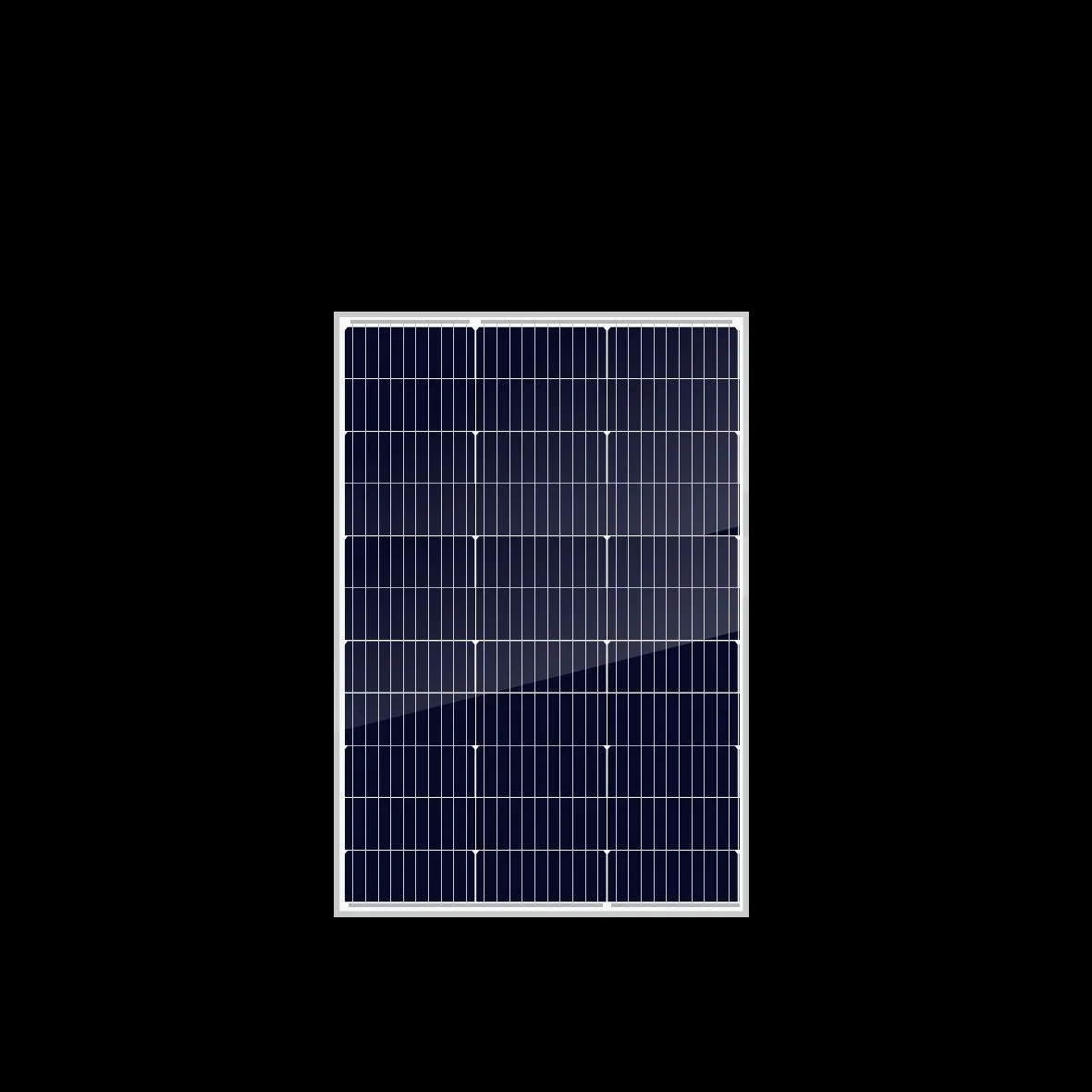
Timelines are the raw nerve. Installers and clearing agents in Accra report that a consignment routed through consignment-by-consignment conformity assessment takes ~4 to 10 weeks from sampling to certificate release, with documentation queries adding two to three weeks on top. The alternative is product registration, where a manufacturer registers a model for a defined period — commonly ~12 months — with surveillance, after which subsequent shipments clear faster. Registration is cheaper per container but requires the factory to cooperate on audit access, which many smaller Asian assembly lines resist. Demurrage and yard rent do not pause while that happens. Agents quote ~GHS 900 to GHS 1,600 per day for a 40-foot box past free time, so a six-week hold can add five figures in cedis before the modules ever reach Spintex Road or Suame Magazine. Fraud is a live problem too. GSA has periodically flagged certificates presented at clearance where the model designation on the certificate does not match the modules in the box — a 550 W certificate attached to a shipment of larger or smaller frames, or a certificate for a polycrystalline line used to cover monocrystalline stock. Customs and GSA officers now cross-check nameplate data against the certificate annex, which is one reason documentary queries spike. For buyers, the practical test is simple: the certificate must name the exact model, the cell technology and the factory. Anything vaguer is decoration. Panels that pass this filter are listed on our solar panel range page with their standard references.
Net metering, ECG and the interconnection file
Ghana's net-metering framework runs through the Public Utilities Regulatory Commission's net-metering sub-regulation, with the Electricity Company of Ghana handling interconnection applications for the areas it serves. Certification matters here in a specific, mechanical way. ECG's review looks for anti-islanding protection declared against GS IEC 62116, and for an inverter listing that matches the equipment on site. An installer who has swapped in an unlisted hybrid inverter to save a few thousand cedis can find the application stalled for months. Uptake remains modest relative to Ghana's rooftop potential. Energy Commission licensing records put grid-connected solar in the country at roughly 150 MW, most of it utility-scale, with the distributed segment still small; the residential and commercial pipeline visible in Accra and Kumasi is far larger than what has actually been interconnected. The bottleneck is rarely the panels. It is the paperwork trail: certificate of conformity, Energy Commission licence, ECG application, and for anything drawing serious load, a battery pack that is documented to GS IEC 62619 — not just described as such in a WhatsApp catalogue.
Prices in GHS, and what the battery paperwork costs
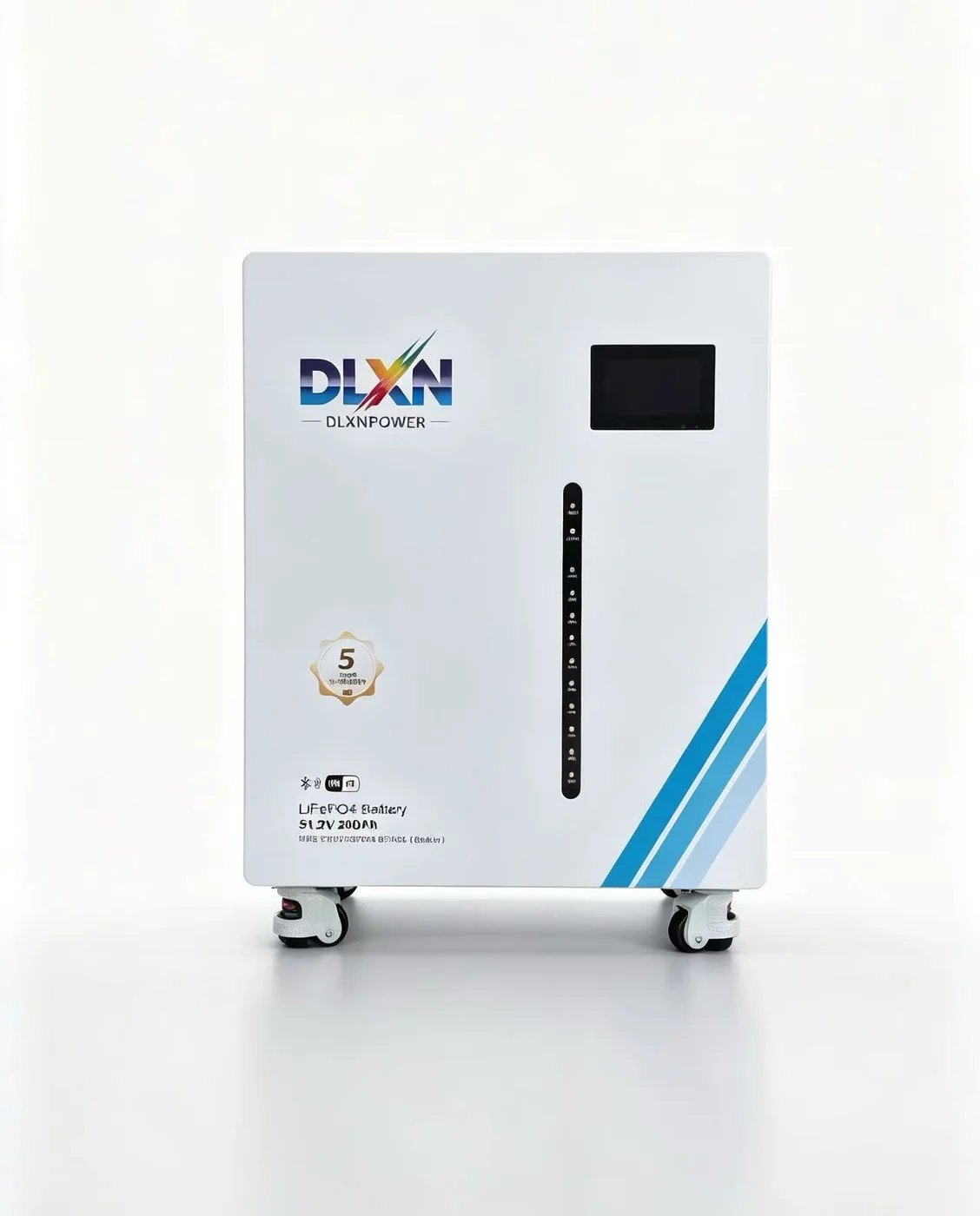
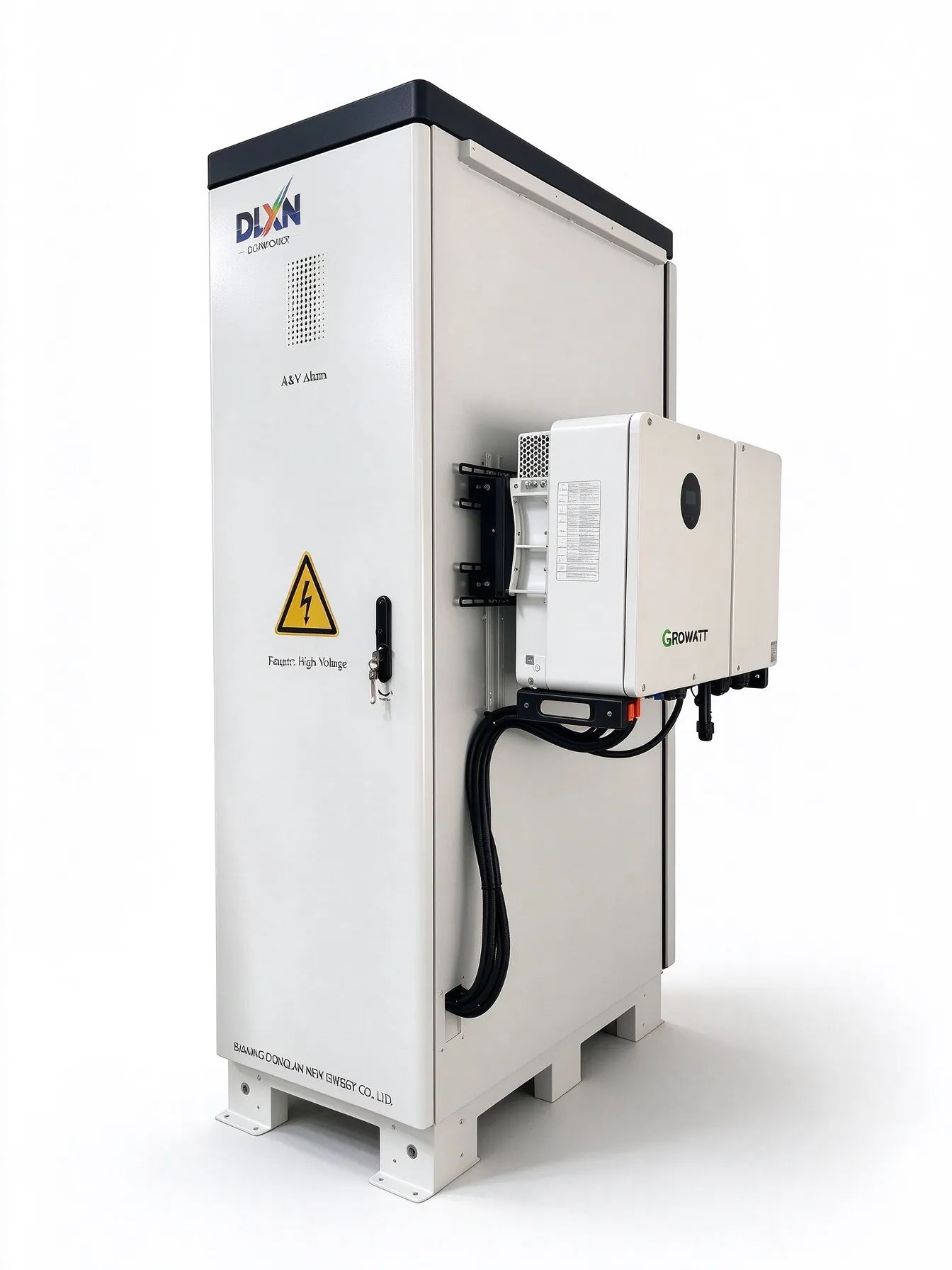
Quotes in Accra this month put a 5 kWp hybrid rooftop package at roughly GHS 62,000 to GHS 95,000 depending on battery chemistry and whether the inverter is a listed hybrid unit or a documented string-and-retrofit arrangement. A 10 kWp commercial package lands in the ~GHS 120,000 to GHS 180,000 band. The spread between a compliant and a non-compliant bill of materials is often 8-12%, which is the entire margin argument in most tenders. Lithium iron phosphate has taken over that bill of materials. Packs assembled locally from imported prismatic cells need their own conformity route, and the testing cost per model — not per unit — is what deters small assemblers. Our lithium battery line is documented model by model for that reason, and the wider solar battery storage archive tracks how the certification question has moved across the region since 2024. For current cedi pricing on modules, inverters and packs, the market price guide is updated monthly.
What to ask before signing
Five documents decide whether a Ghanaian solar project survives inspection and interconnection: the G-CAP certificate of conformity naming the exact module and inverter models; the Energy Commission renewable energy service provider licence number for the installing company; the ECG interconnection approval for any grid-tied system; the battery pack's GS IEC 62619 test summary; and a commissioning report with measured earth resistance and string data, not a photograph of a screen. Expect the GSA solar certification Ghana conversation to tighten further into 2027 as the Energy Commission pushes licensing enforcement and ECG standardises its interconnection forms. Installers who already hold clean files will find that enforcement is a moat; those who have been clearing containers on a photocopied certificate will not. Questions on documentation for a specific project can go through our contact desk.
Related products
In-stock models that match this article — specs and RFQ on each page.