News & Updates
Latest from DLXN Energy
November 2026: lithium battery price south africa in Johannesburg
Quotes are sticky in Gauteng
At a Midrand warehouse north of Johannesburg this week, a 5.1 kWh LFP module was quoted at ~R19,800 before VAT, or ~R3,880/kWh. In Johannesburg, the lithium battery price south africa installers quote has stopped falling as quickly as it did through 2024 and 2025. Distributors are holding margins, the rand has been volatile, and compliance paperwork now sits inside the landed cost rather than beside it. For 5 kWh residential modules, Johannesburg and Cape Town quotes in November 2026 cluster at ~R18,000–R24,000 before VAT and installation, or ~R3,600–R4,800/kWh. Durban installers report similar ex-warehouse numbers but higher freight to coastal sites. Pretoria buyers with existing solar arrays pay less for battery-only retrofits because the CoC and DB-board work is smaller. These are not list prices. They are cash quotes from distributors and EPCs, and they move with stock age, BMS specification, and whether the importer is carrying warranty risk locally. A 10 kWh rack from a Tier-1 brand sits at the top of that range; unbranded modules with thin local support sit at the bottom. That is the number to test against any quote that looks too cheap.
The rand and the import bill
Global cell prices keep drifting down. BloombergNEF's latest battery pack survey still shows a downward trend in average pack prices, and the IEA's 2026 World Energy Outlook expects further cost declines as LFP capacity in China matures. But South African buyers do not import cells at those averages. They buy modules, racks, and enclosures, then pay freight, clearing, insurance, and a warranty reserve in rand. A 10% move in USD/ZAR can erase a quarter's cell-price decline on a 5 kWh unit. The lithium battery price south africa buyers pay now includes more than hardware: NRS 097-2-1 documentation, SANS 10142-1 inspection, and the CoC fee are part of the transaction. NREL's cost benchmarks for stationary storage are useful for cell-to-pack ratios, not for a Johannesburg rooftop quote. Customs clearance is another variable. Importers in Johannesburg say clearing agents are asking for more product documentation, and that paperwork has a cost even when the duty is zero. It shows up in the quote as a handling fee or a longer lead time, not as a cell-price line.
NRS 097 and the CoC line item
NRS 097-2-1 is the grid-connection standard that trips up cheap imports. In Cape Town and Durban, municipal inspectors want to see inverter settings, anti-islanding proof, and a DB-board that can carry the added load. SANS 10142-1 requires a Certificate of Compliance, and the CoC is not a rubber stamp: it is a line item that can add ~R1,500–R3,500 to a battery retrofit, depending on board condition and cable runs. NRCS requirements for electrical equipment also apply where relevant, and an unlisted BMS can turn a low quote into a rework bill. The compliance cost is small next to a failed inspection, but it is large enough to distort comparisons between a cash quote and a fully installed price.
What installers in Cape Town and Durban are doing
Installers in Cape Town are splitting quotes into hardware, labour, and compliance so buyers can see what is actually being sold. In Durban, the split matters more because humidity and coastal corrosion push up enclosure and labour costs. A 5 kWh module that looks cheap in a Johannesburg warehouse may need a different IP-rated enclosure and extra surge protection on the coast. The market price guide tracks these regional gaps, but it cannot fix a weak bill of materials. The practical response from buyers is to compare usable kWh, not nameplate kWh. A 5.1 kWh LFP module with a 90% depth of discharge gives ~4.6 kWh, and a 10 kWh rack with the same chemistry gives ~9 kWh. Ask for the BMS cut-off, the warranty terms, and the cycle-life test method. The LFP battery price index is a better reference point for cell-to-pack pricing than a distributor's headline number, while residential energy storage systems show what a packaged system includes. Lead times have shortened from the 2022 panic, but they are not uniform. A Cape Town installer can wait two to three weeks for a popular 5 kWh module; a Durban buyer may wait longer for a specific rack. That delay has a price, especially for a business replacing a failed lead-acid bank.
Where the quote goes next
Where does the quote go from here? Wood Mackenzie's latest Africa storage outlook sees steady demand growth into 2027, but not a straight line down in price. The rand, port delays, and Chinese cell allocation matter more in the short run than another 5% fall in cell cost. For the lithium battery price south africa market, the spread between compliant and non-compliant offers is likely to widen before it narrows, because inspectors are getting stricter and insurers are asking more questions about thermal risk. For buyers, the signal is simple: get three quotes with the same usable capacity, the same BMS specification, and the same CoC scope.
A buyer's checklist for November 2026
A November 2026 checklist should start with the certificate, not the discount. Ask whether the CoC covers the battery, the inverter, and the DB-board changes. Ask for the NRS 097-2-1 commissioning report. Ask for the cell manufacturer and the BMS model in writing. If the quote is more than ~15% below the local median, find out where the warranty support sits and who pays for a failed module in Pretoria. Storage is now a regulated electrical installation, not a consumer gadget. The solar battery storage section explains the system side, and lithium battery products show the hardware tiers. The cheapest quote is rarely the lowest cost per usable kWh once compliance and warranty risk are priced in.
Related products
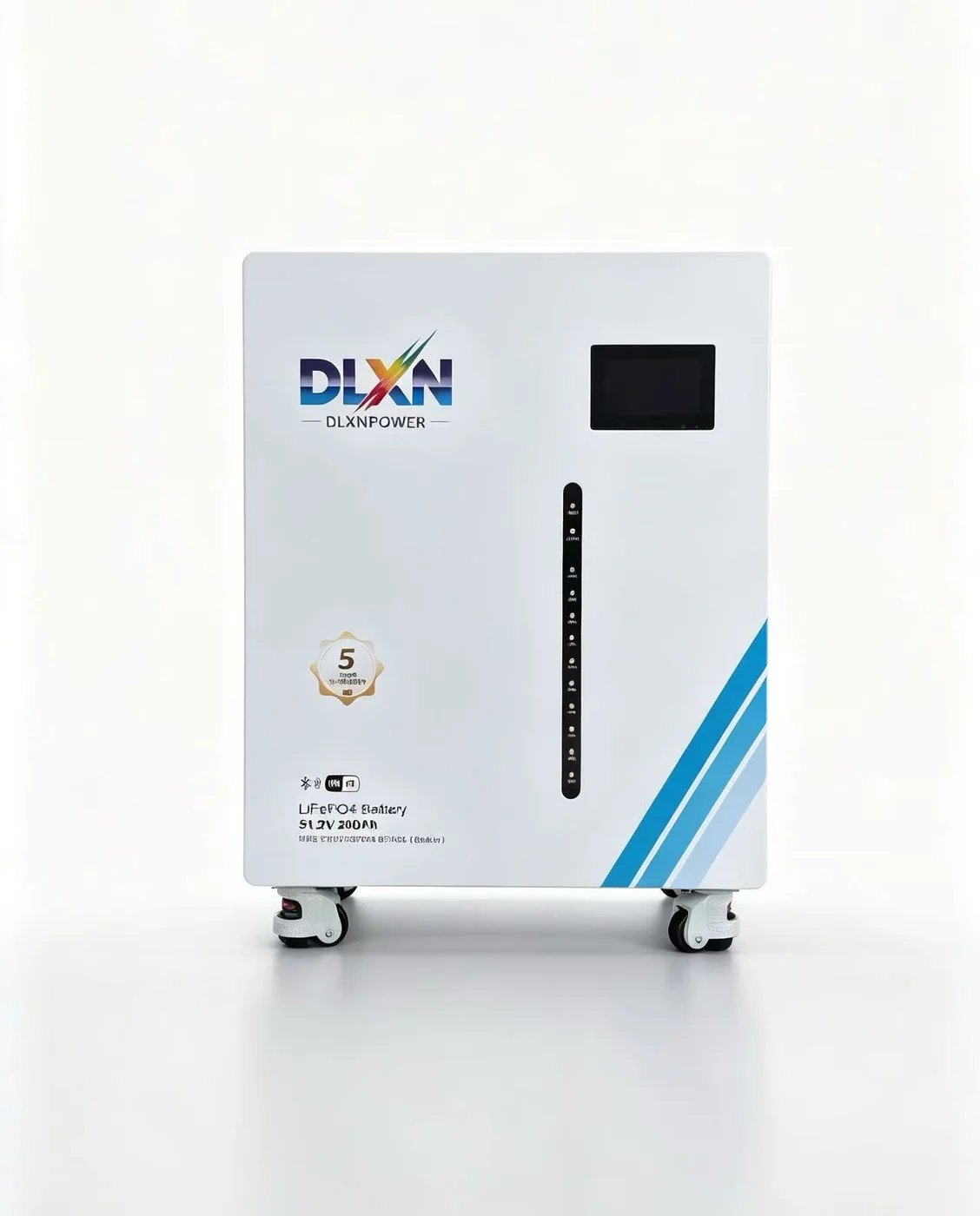
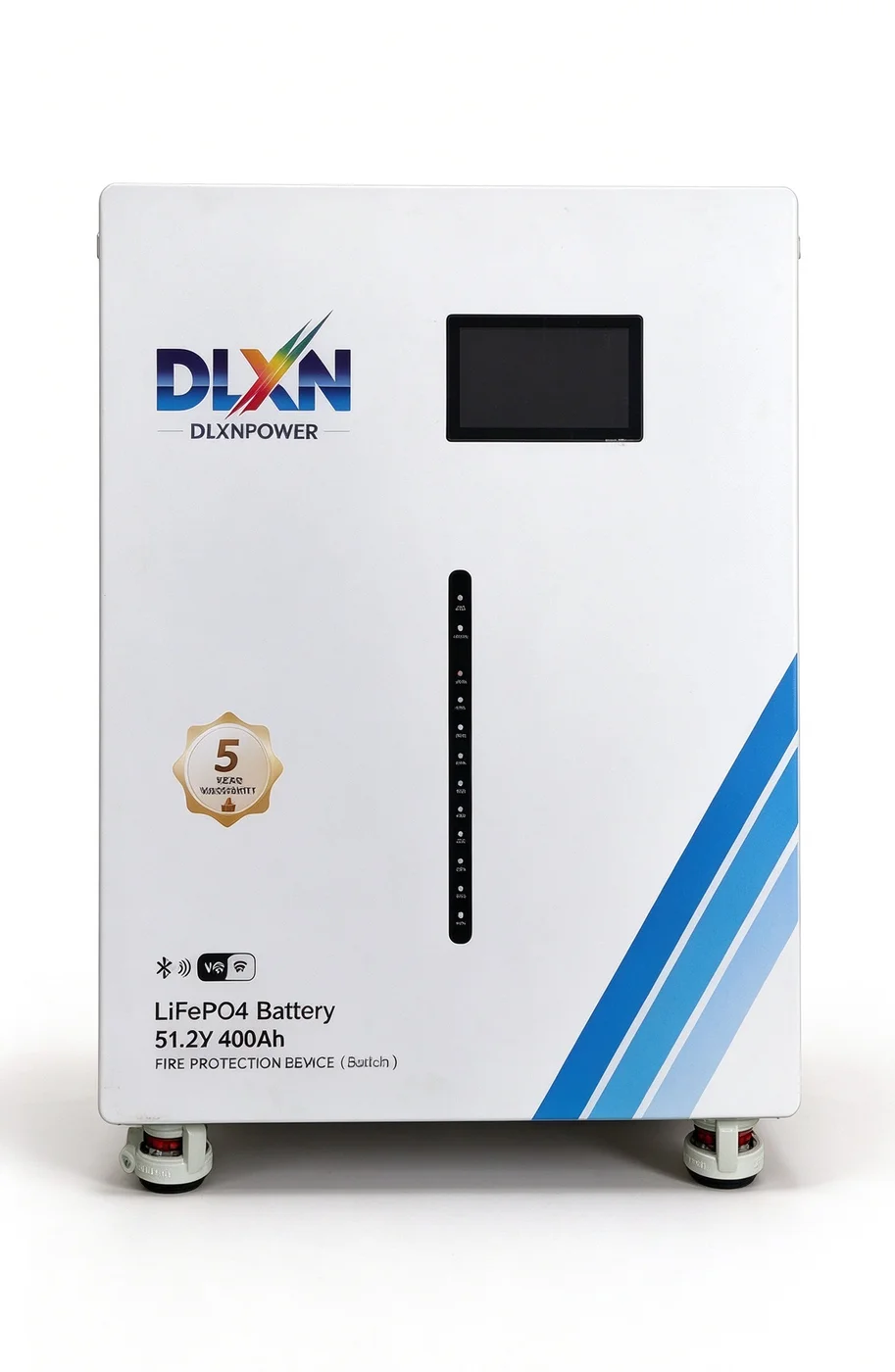
In-stock models that match this article — specs and RFQ on each page.