News & Updates
Latest from DLXN Energy
10kw solar system price in nigeria: Lagos quotes for 2026
What Lagos installers are quoting this week
In Lagos this week, the quoted 10kw solar system price in nigeria runs from about NGN2.9m for a bare hybrid kit to NGN7.2m for a turnkey install with lithium storage. The lower figure buys panels, a 10kW hybrid inverter and mounting rails; the upper one adds a ~10kWh lithium battery, changeover switch, NEMSA-compliant wiring and labour. That range is broad because the bill of materials is only half the story. BloombergNEF's 2026 battery price survey shows lithium-iron-phosphate pack prices under pressure from Chinese oversupply, but Nigerian landed costs still carry foreign-exchange, clearing and duty. A market price guide from DLXN Energy tracks those inputs; in November 2026 it puts typical Lagos quotes at about NGN3.4m for 5kWh of storage and NGN5.8m for 10kWh. NERC's rules on embedded generation and NEMSA's inspection fees add a few hundred thousand naira to formal jobs. Cash buyers who skip the paperwork can get a lower headline number, which is why two quotes for the same 10kW hardware can differ by 40%. The gap widens when installers quote imported all-in-one units against locally assembled racks; the former carry a cleaner warranty, the latter are easier to service in Ikeja or Port Harcourt.
Why the same 10kW kit quotes differently in Abuja
The invoice line that moves most is not the panel; it is the battery and the paperwork. A 10kw solar system price in nigeria is shaped by three regulators before a panel reaches Lagos. SONCAP clearance for imported panels and inverters adds testing and demurrage; NEMSA certification covers the installation and meter interface; NERC's licensing rules matter if you sell excess power or run a mini-grid. In Abuja, where buyers often want net-metering-ready systems, installers price in that compliance work. The hardware itself is more commoditised: solar panels landed in Lagos are quoted per watt, and a 10kW array of 550W monocrystalline modules needs 18 panels, not 20. Wood Mackenzie's 2026 Africa solar outlook notes that distributed solar demand in West Africa is growing faster than grid connections, which keeps installer margins firm in Abuja and Lagos. IEA's 2026 World Energy Outlook makes a similar point about falling battery costs not yet reaching retail buyers in import-dependent markets.
What NGN3m, NGN5.5m and NGN7m buy
At the bottom of the Lagos market, NGN3m buys a 10kW hybrid inverter, 18 panels and no battery, or a small 5kWh lithium battery with a short warranty. That is a daytime-only system with little backup, and it will not carry a freezer through a long outage. For a 10kw solar system price in nigeria, the NGN5.5m band is the current centre of gravity: ~10kWh of lithium storage, a 10kW hybrid inverter, 18 panels and basic monitoring. That is enough for a four-bedroom home in Lekki to run lights, fans, a fridge, TV and Wi-Fi through the evening, but not air-conditioning all night. A residential ESS with 15kWh or more pushes quotes toward NGN6.8m-7.2m. NREL's 2026 cost benchmark for residential PV shows module prices continuing to fall, but in Nigeria the battery, inverter and installation labour dominate the invoice. Buyers comparing a NGN5.5m quote with a NGN3m quote are usually comparing a 10kWh battery with a 5kWh one, not a good deal with a bad one. The same logic applies in Abuja, where a 10kW system with 15kWh of storage is now the default quote for a detached house.
Kano dust, Port Harcourt humidity, Lagos rain
Installers in Kano quote a slightly higher 10kw solar system price in nigeria than Lagos for the same hardware because dust and heat change the design. Panels need more frequent cleaning, inverters need shade and ventilation, and battery rooms need cooling. In Port Harcourt, humidity and salt air push up mounting and wiring costs; in Lagos, roof access and rain-season scheduling add labour. The solar battery storage choice matters more than the city: a lithium pack rated for 6,000 cycles at 80% depth of discharge will outlast a cheaper lead-acid bank in all four markets. A 2026 survey by the Renewable Energy Association of Nigeria put average residential install times at three to five days in Lagos and up to eight days in Kano, mostly because of logistics. That delay is not trivial when a family is running a generator at ~NGN1,000 per litre of diesel. A Port Harcourt quote should include galvanised mounting and IP65 glands; if it does not, the NGN200,000 saving will be spent on corrosion repairs.
How to read a November 2026 quote
Ask for the SONCAP certificate number on the panels and inverter, the NEMSA inspection sign-off and the battery datasheet. A credible Lagos quote for a 10kw solar system price in nigeria separates hardware, labour and compliance, and states the battery chemistry, usable kWh and cycle warranty. If the quote says "10kW battery" without naming usable capacity, assume it is not 10kWh. Check whether the inverter is hybrid or grid-tie only; a grid-tie unit cannot run your fridge during a blackout. Confirm that the mounting structure is included and that the installer will handle the changeover switch. For formal projects, NERC's embedded-generation rules and the local distribution company's interconnection process can add weeks, not days. Ask who signs off the NEMSA inspection and who pays for the re-test if the first one fails. A useful test: ask for the same quote with a 5kWh and a 10kWh battery. The difference should be close to the market price of the extra storage, not a vague lump sum.
Related products
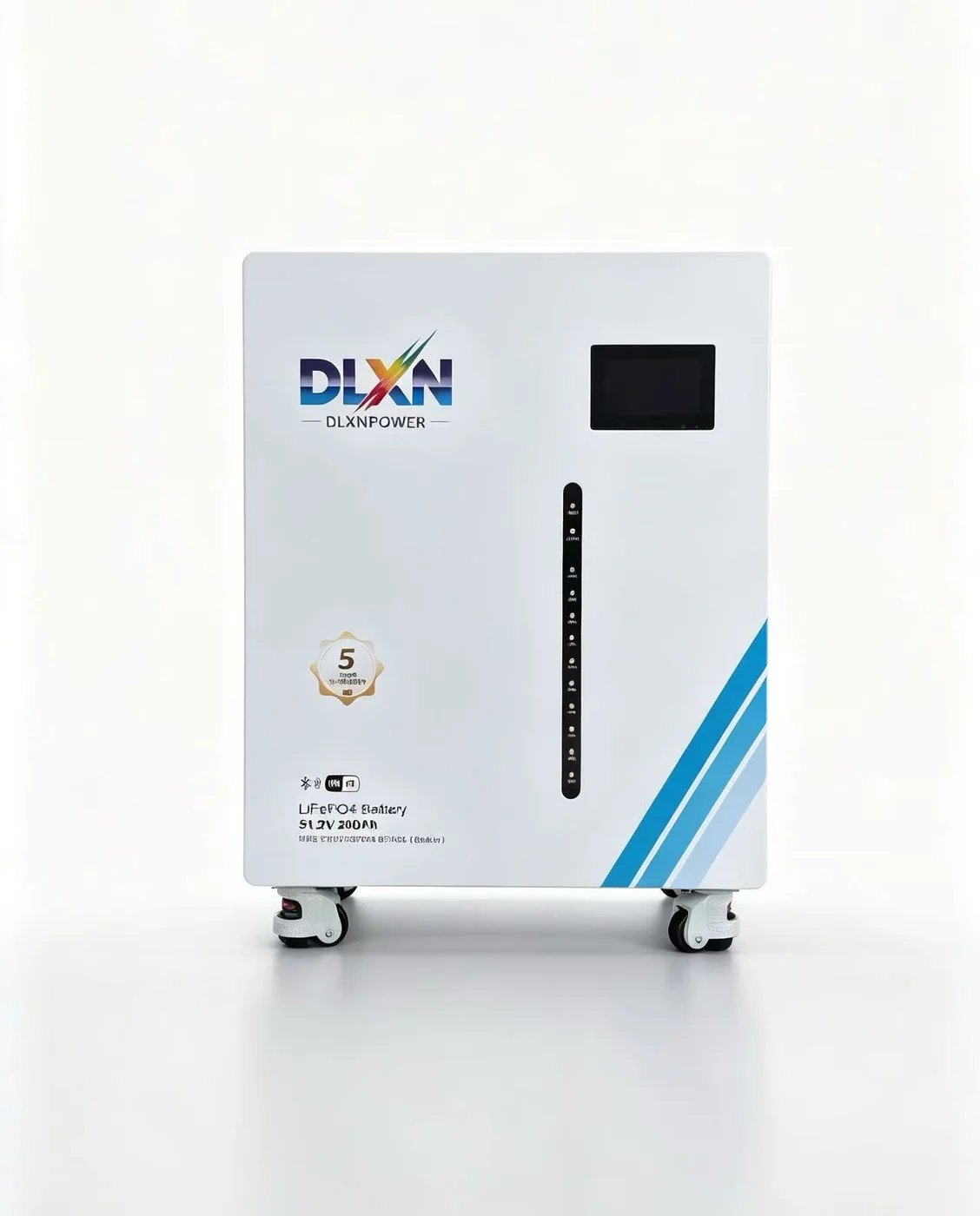
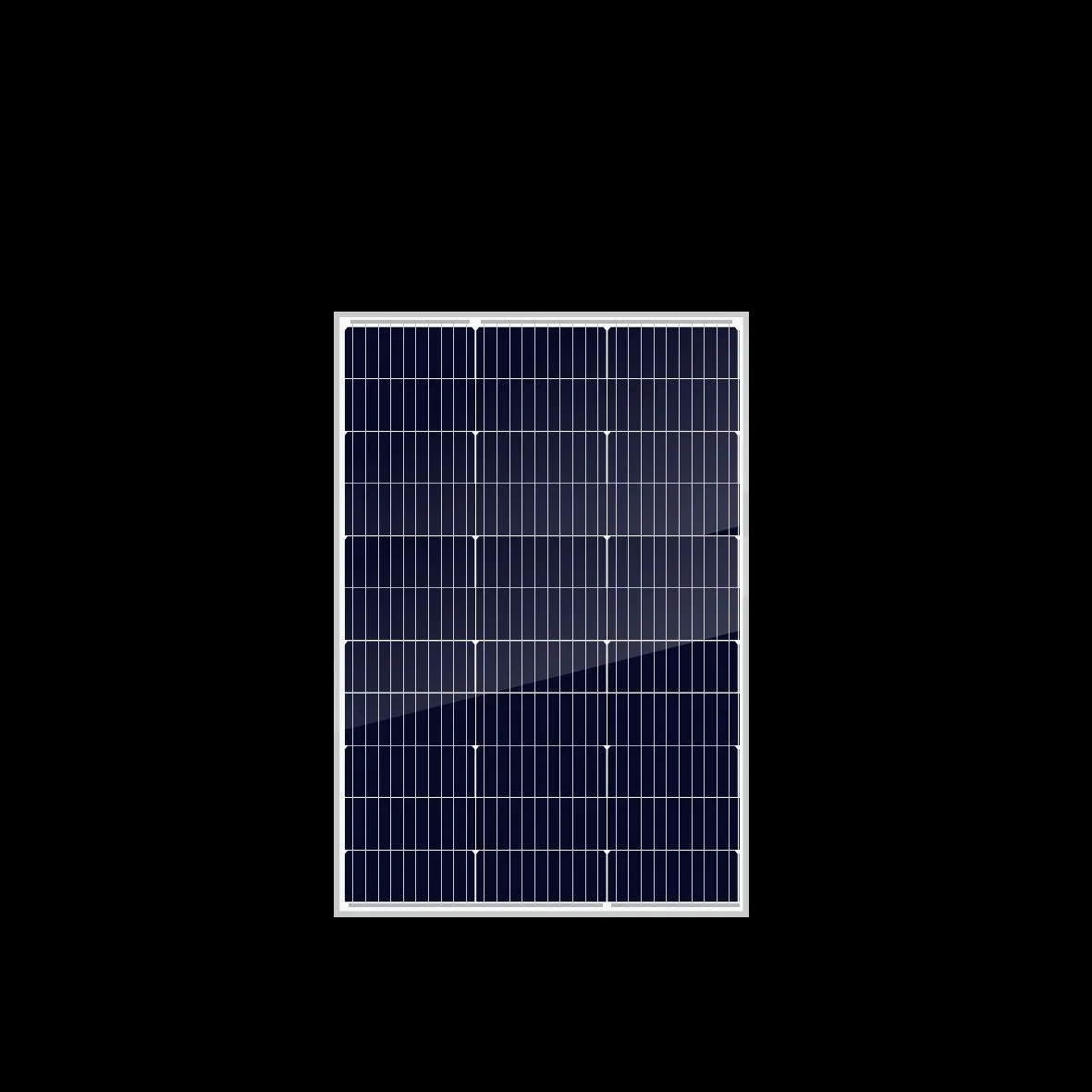
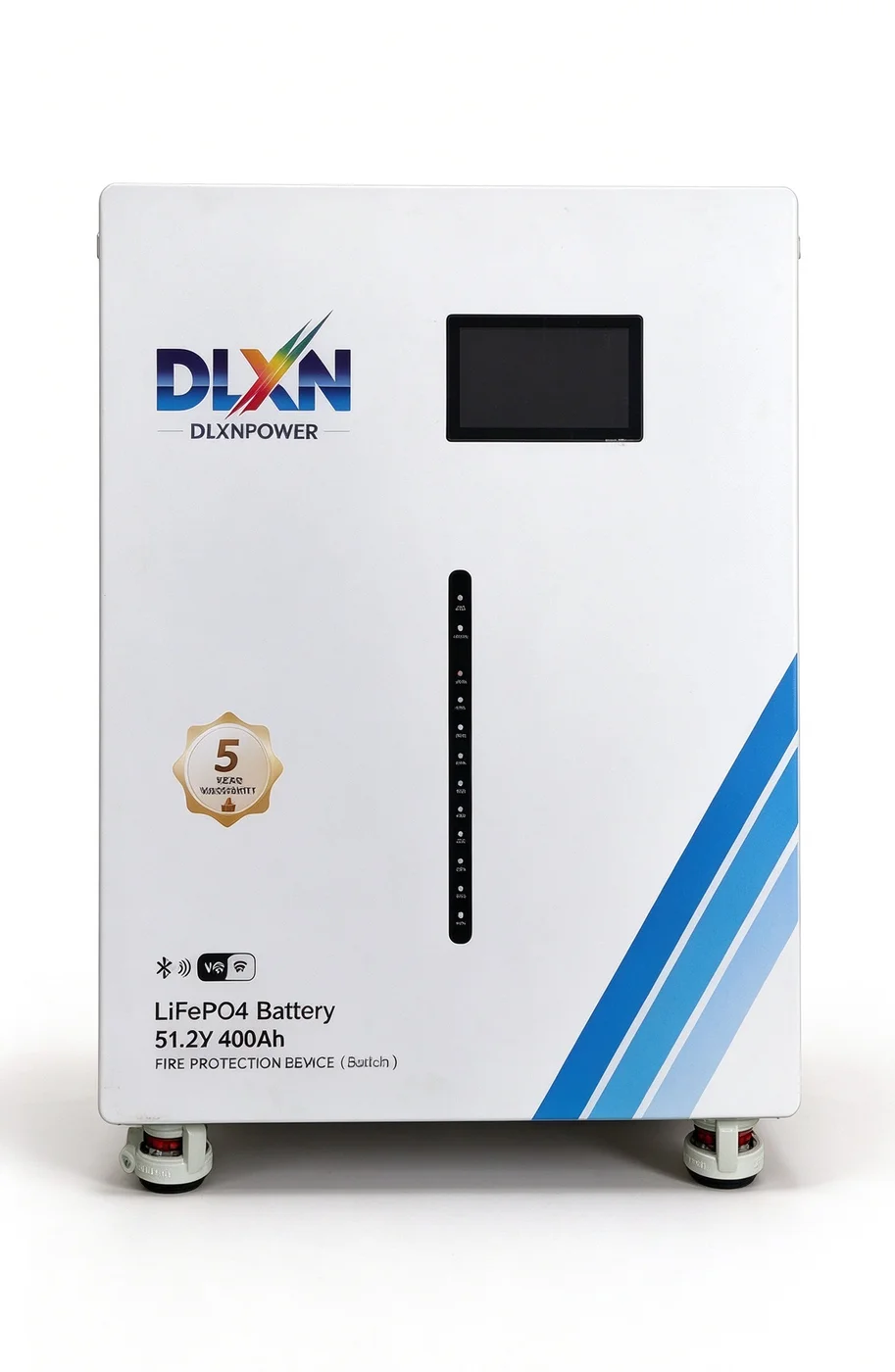
In-stock models that match this article — specs and RFQ on each page.