News & Updates
Latest from DLXN Energy
Lagos: how many panels to power a freezer in nigeria
Start with the compressor, not the panel
A 200-litre chest freezer in a Lagos shop draws ~1.1–1.8 kWh a day in November heat, based on typical manufacturer duty cycles at 32–35°C; an older upright can pull 3–4 kWh. That load is the real basis for how many panels to power a freezer in nigeria, not the wattage printed on the panel box. Freezers are not constant loads. A chest unit in an airy shop may cycle for 20–30 minutes an hour; an upright in a hot kitchen can run almost continuously. NREL’s off-grid sizing method starts with daily kWh and then applies a design margin for inverter losses, wiring and days of autonomy. In Lagos, Abuja and Port Harcourt, ambient temperature is the variable installers underestimate: a freezer rated for 32°C will consume more when the room sits at 36–38°C. The same 200-litre box that uses 1.2 kWh a day in a shaded, ventilated corner can use 2 kWh a day against a west-facing wall. Door openings in a cold-drink shop add another 10–20%. The appliance label is a laboratory number, not a Lagos duty cycle, and a quote built only on a 100–150W label will undersize the array.
The sizing arithmetic in Lagos and Abuja
The short answer to how many panels to power a freezer in nigeria is one 550W panel for a modern 150–200 litre chest freezer on a well-ventilated site, two panels for most households, and three to four panels for an old upright or a shop that opens the lid all day. A 550W panel in Lagos or Abuja receives ~4.2–5.2 peak sun hours on a clear November day; after inverter, wiring and battery losses, expect ~2.0–2.4 kWh a day. One panel can cover a 1.5 kWh freezer load in theory, but it leaves nothing for a cloudy day, a second appliance or battery ageing. Two panels give the array headroom to recharge a 2.5–3 kWh battery while the freezer runs. In Port Harcourt’s rainy season, unshaded yield can fall by a quarter, which is why local installers rarely quote a single panel for a household freezer. Two 550W panels and a 2.5–3 kWh lithium battery are the practical minimum for a household freezer that must run through a grid outage.
The battery and inverter decide the real panel count
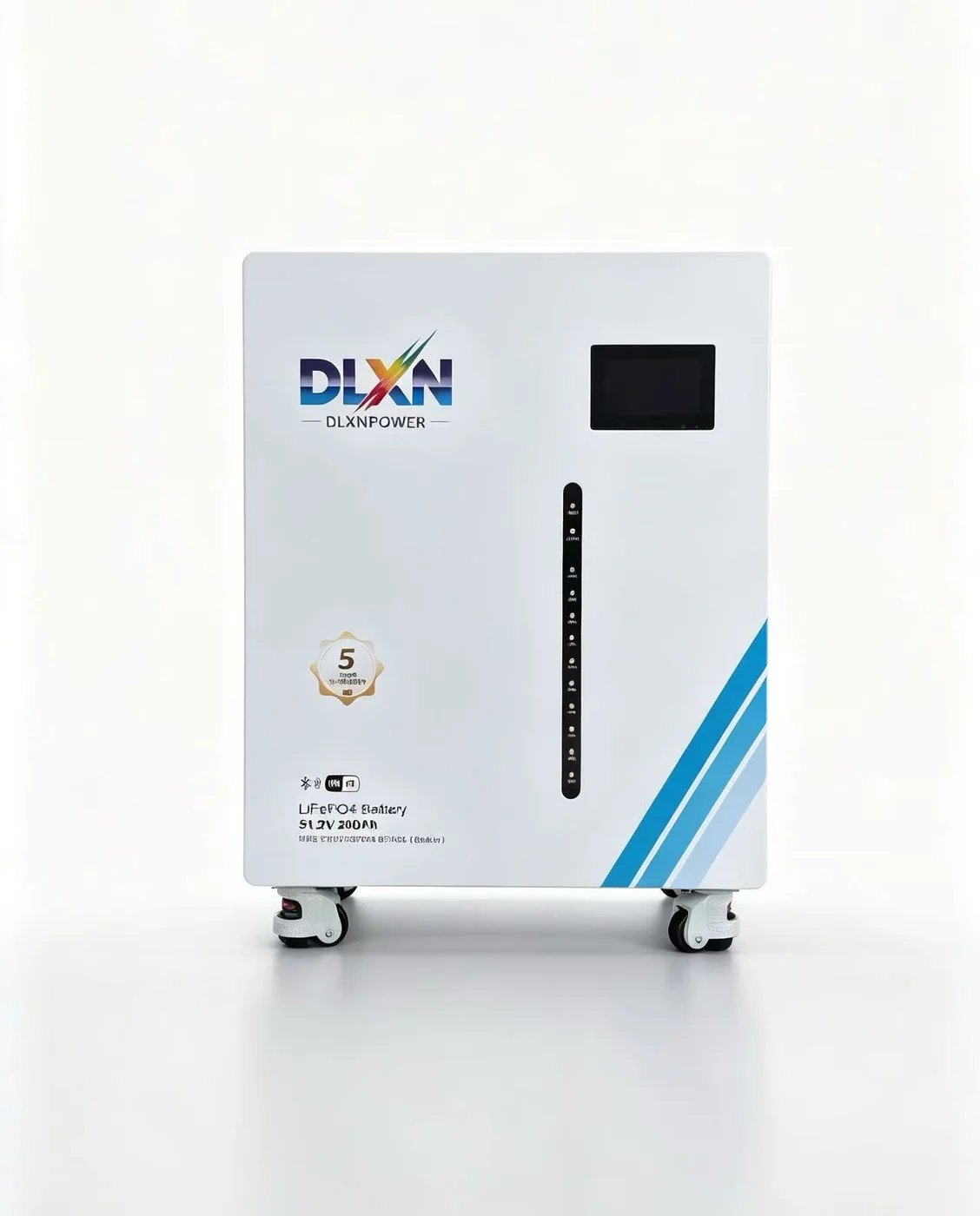
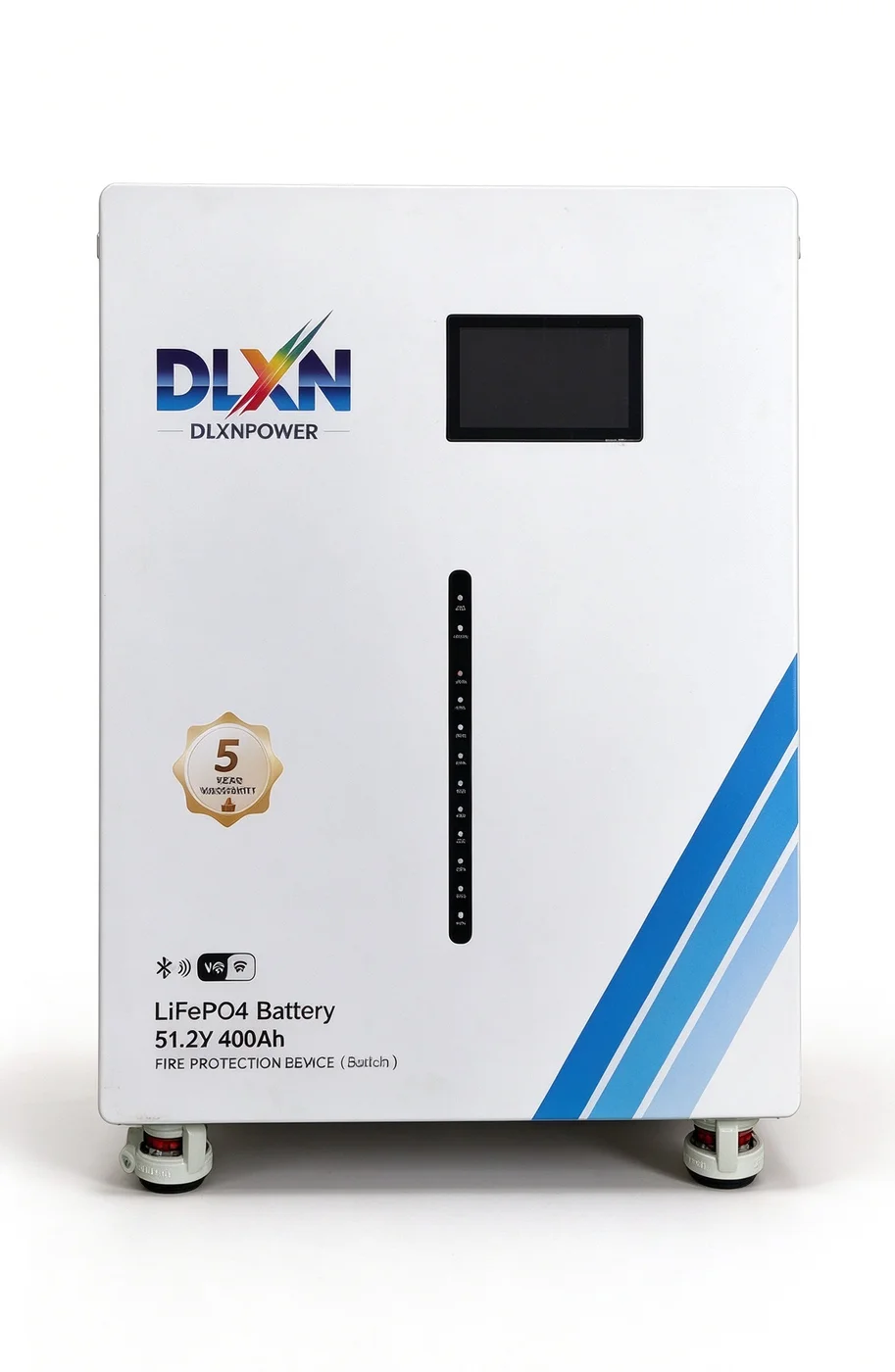
A freezer is an overnight load, so the battery, not the panel, often sets the budget. A 1.5 kWh nightly load needs ~2 kWh usable storage; a LiFePO4 pack at 80–90% depth of discharge means a 2.5 kWh nominal battery, while a lead-acid bank at 50% DoD needs 4 kWh to deliver the same energy. The gap in price per usable kWh is narrowing — see our lithium battery range and the solar battery storage topic for chemistry comparisons — but the installation detail matters more than the brochure. A 1kW hybrid inverter with a 25–40W idle draw adds 0.6–1.0 kWh a day, which can wipe out the output of half a panel. Cheap modified sine wave inverters also make compressors run hotter and draw more current. That is the hidden reason two identical freezers can need different arrays. In Abuja, a 3 kWh lithium pack with a 3kW inverter is now a common quote for a small shop because it also carries lights, a fan and a phone-charging point; packaged residential ESS units are replacing loose components in that segment. The freezer is rarely the only load.
What installers in Port Harcourt and Kano are quoting
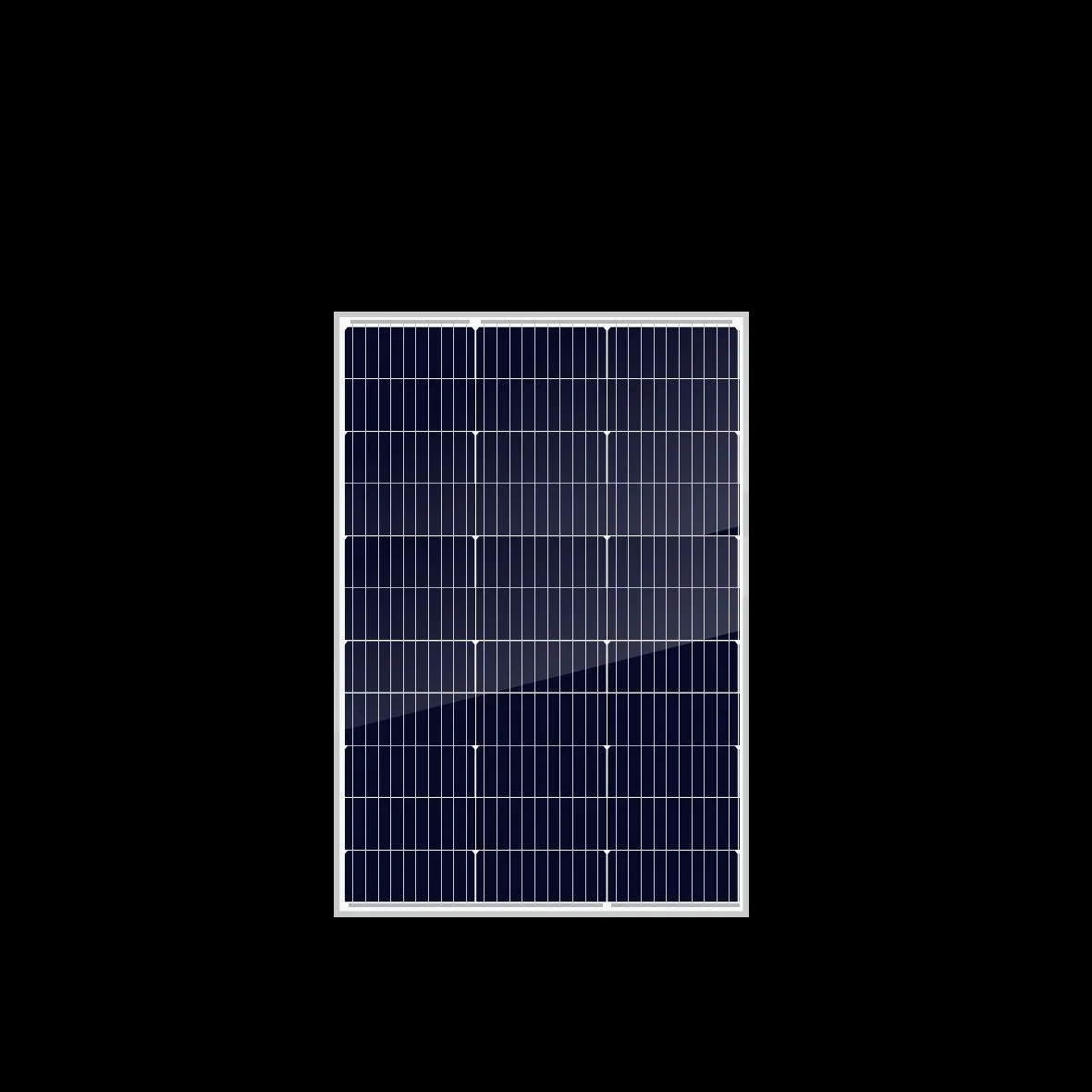
Port Harcourt adds humidity and salt air; Kano adds dust and 40°C afternoons. Both push the array up. In Kano, a panel that is not cleaned weekly can lose 10–20% of output, and a freezer against a hot wall can run 30% longer. In Port Harcourt, a roof that looks unshaded at 9am may be shaded by a neighbouring building at 4pm, when the battery is trying to absorb the last of the day’s energy. Any honest answer to how many panels to power a freezer in nigeria has to include a site visit or at least a shade survey; a phone quote based on a postcode is a guess. Installers in both cities now use 550–600W monocrystalline modules, which keeps the roof count low; the solar panels range shows the formats now common in stock. Compliance is the other local filter. Imported panels, inverters and lithium batteries should carry SONCAP conformity evidence; NEMSA is the reference for installation safety and metering interfaces; NERC rules matter if the system is grid-tied or sold as a service. A quote that cannot show a SONCAP certificate for a lithium pack is a risk, not a bargain. The same applies to a NEMSA-certified installer who signs off earthing and changeover. In Lagos, Abuja, Port Harcourt and Kano, enforcement is uneven, but insurers and commercial landlords are asking for paperwork. For a household freezer, the compliance cost is small; for a shop with a 5kWh battery, it can be the difference between a warranty claim paid and refused. Do not accept “we do it every day” as a substitute for a certificate number.
What it costs in NGN this November
In November 2026, a two-panel kit for a household freezer typically quotes at ~₦1.2m–₦2.0m in Lagos, depending on battery chemistry and inverter brand. A 550W panel retails at ~₦95,000–₦150,000; a 2.5–3 kWh LiFePO4 pack at ~₦650,000–₦1.0m; a 1kW hybrid inverter at ~₦180,000–₦350,000; mounting, cables and labour at ~₦150,000–₦250,000. The market price guide tracks these ranges and the FX pass-through that keeps Nigerian retail prices above BloombergNEF’s global battery averages. A single-panel, 1.2kWh lead-acid kit can be quoted at ~₦600,000–₦900,000, but it will cycle the battery harder and may not survive a second rainy season. For a shop running an old upright freezer, a four-panel, 5kWh system can reach ~₦2.5m–₦3.5m. Those are estimates, not quotations; cable length and roof type move the number. The arithmetic is unforgiving: one undersized panel saves ~₦120,000 at purchase and can cost a ₦650,000 lithium battery within two years. That is the trade most Lagos buyers are actually making when they choose the lowest quote.
Related products
In-stock models that match this article — specs and RFQ on each page.