News & Updates
Latest from DLXN Energy
Photovoltaic Technology 2025: What Ships, What Waits

The default cell is settled; the argument moved elsewhere
Three or four years ago a procurement meeting could stall for an hour on cell architecture. That argument is finished. The ITRPV roadmap, published annually by VDMA, has placed tunnel-oxide passivated contact (TOPCon) above 60% of global cell capacity, with heterojunction and back-contact splitting most of the remainder and PERC lines largely converted or idled.
What replaced the architecture debate is duller and more consequential: busbar count, wafer thickness, glass thickness, junction-box potting and the DC/AC ratio written into the inverter schedule. A 2382 × 1134 mm module in the 144-half-cell format now ships between 570 W and 620 W depending on bin and cell process, and much of the gap between top and bottom of that band is assembly quality rather than cell physics.
The numbers that separate the four architectures
On our own string-test and lamination lines, the failures we chase are rarely the cells. They are ribbon solder joints, junction-box potting and connector torque on the roof. Datasheet efficiency tells you almost nothing about any of those three.
The table below summarises indicative 2025 datasheet ranges from volume-supply manufacturers. It is a description, not a ranking, and on a hot, high-albedo site the temperature coefficient and bifaciality columns matter more than the first one.
| Architecture | Module efficiency, 2025 | Temp. coefficient | Bifaciality | Best fit |
|---|---|---|---|---|
| PERC (p-type) | 20.5–21.5% | about -0.35%/°C | ~70% | spares and small retrofits |
| TOPCon (n-type) | 22.3–23.2% | -0.29 to -0.32%/°C | 80–85% | utility and C&I default |
| Heterojunction (HJT) | 22.8–23.8% | -0.24 to -0.26%/°C | 85–90% | hot sites, tight roof area |
| Back contact (BC) | 23.0–24.0% | -0.26 to -0.29%/°C | 70–80% | premium residential |
| Perovskite-silicon tandem | 24–26% in pilot lots | design-dependent | varies | demonstration only |
Heterojunction remains the better choice where cell temperature runs high and roof area is the binding constraint. Its price gap to TOPCon has narrowed without closing.
Perovskite tandems: real shipments, thin field data
Oxford PV shipped its first commercial perovskite-silicon tandem modules in 2024, and Hanwha Qcells has been commissioning tandem pilot capacity in Korea. Both facts are true, and neither justifies putting tandems into a bankable 20-year design this year. Pilot-line efficiency is measured on small samples under standard test conditions, while damp-heat and UV preconditioning under IEC 61215 and 61730 succeed or fail on encapsulation rather than on the absorber. Field degradation data on commercial tandem glass is currently measured in months, not years.
Silver reduction is the quieter story worth tracking. Busbarless cell designs, fine-line screen printing and copper-plating trials all aim at the same cost line, and the design choices they force on string soldering are the reason module quality is diverging across suppliers using identical cells.
A representative configuration, and what it actually bought
Representative configuration rather than a named reference: a 480 kWp glass-glass TOPCon rooftop over a cold-chain distribution centre in Binh Duong province, Vietnam, energised in June 2025 and operated by the third-party logistics tenant under a power purchase agreement.
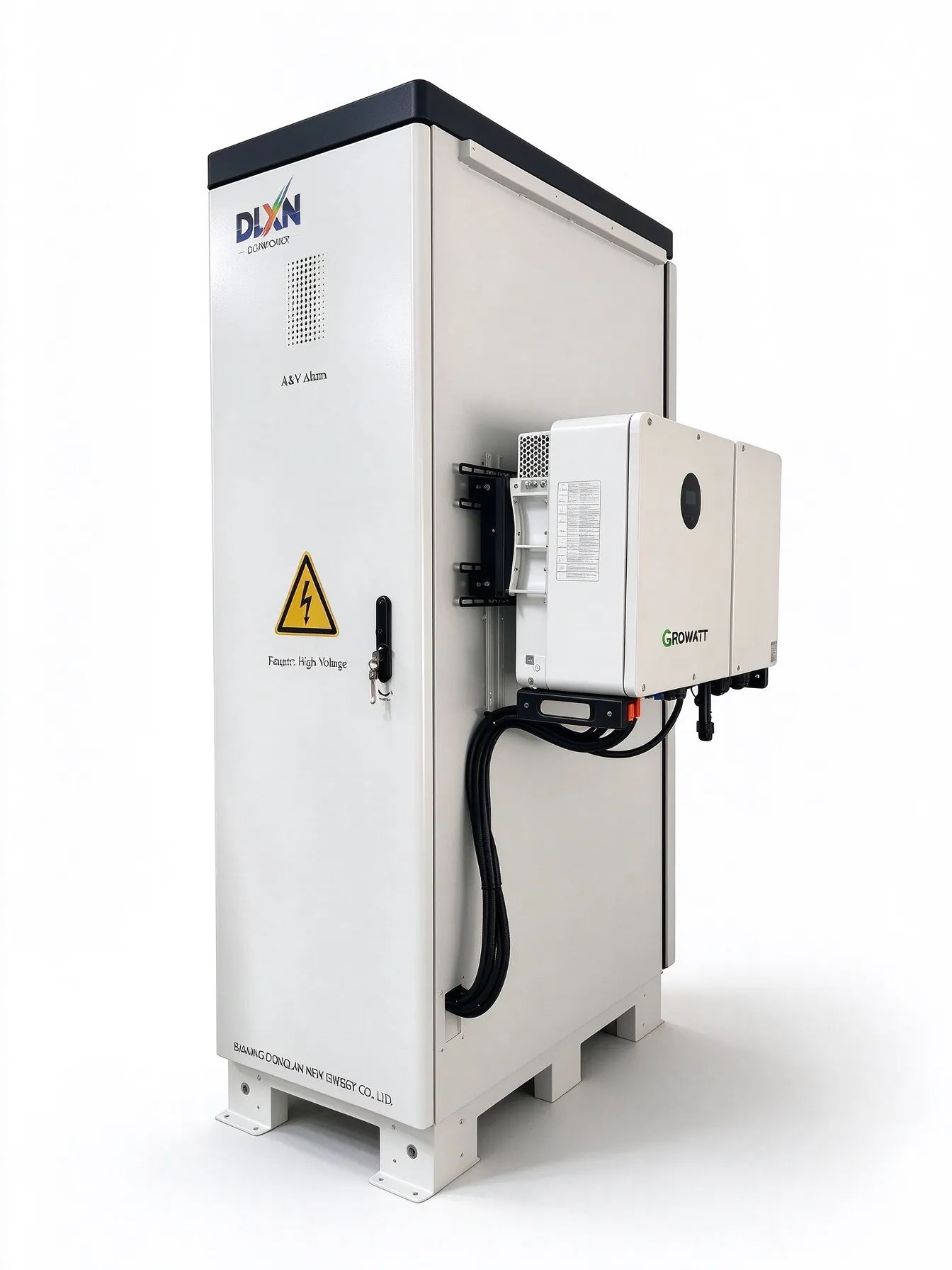
Cooling load peaks in early afternoon and runs all night, which is the load shape that punishes a pure PV design. The layout answered it with a 1.35 DC/AC ratio on 1500 V string inverters, module-level monitoring on the two arrays nearest the loading dock, and a 250 kWh DC-coupled battery on the existing LV bus. That battery does two jobs: it clips harvest at midday and carries the blast freezers through the utility's evening peak tariff.
Where storage and inverters now set the ceiling
Cell format in stationary storage has been consolidating around 314 Ah prismatic cells, with 587 Ah and 625 Ah products entering volume supply. A 20 ft container of roughly 5 MWh is the unit most C&I developers now plan around. System round-trip efficiency in the high 80s to low 90s is the honest planning figure once transformer, PCS and auxiliary loads are counted, and any proposal quoting 95% at the AC terminals should be asked for its test method. SiC-based string inverters up to about 350 kW at 1500 V DC and 800 V AC are now common, and the practical gain is fewer combiners, fewer fuses and shorter DC runs. What has not changed is that the inverter remains the component most likely to be replaced twice in a 25-year array lifetime.
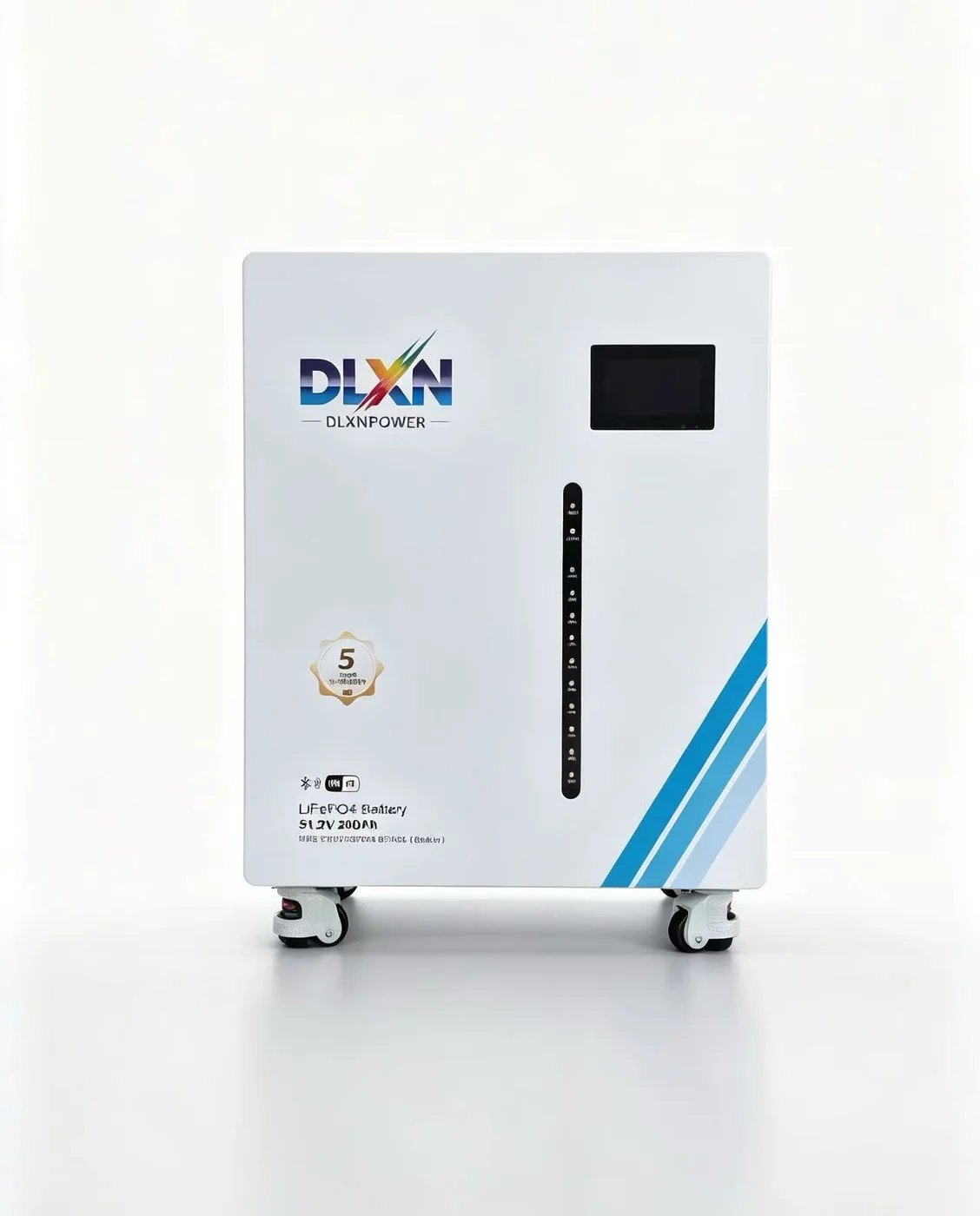
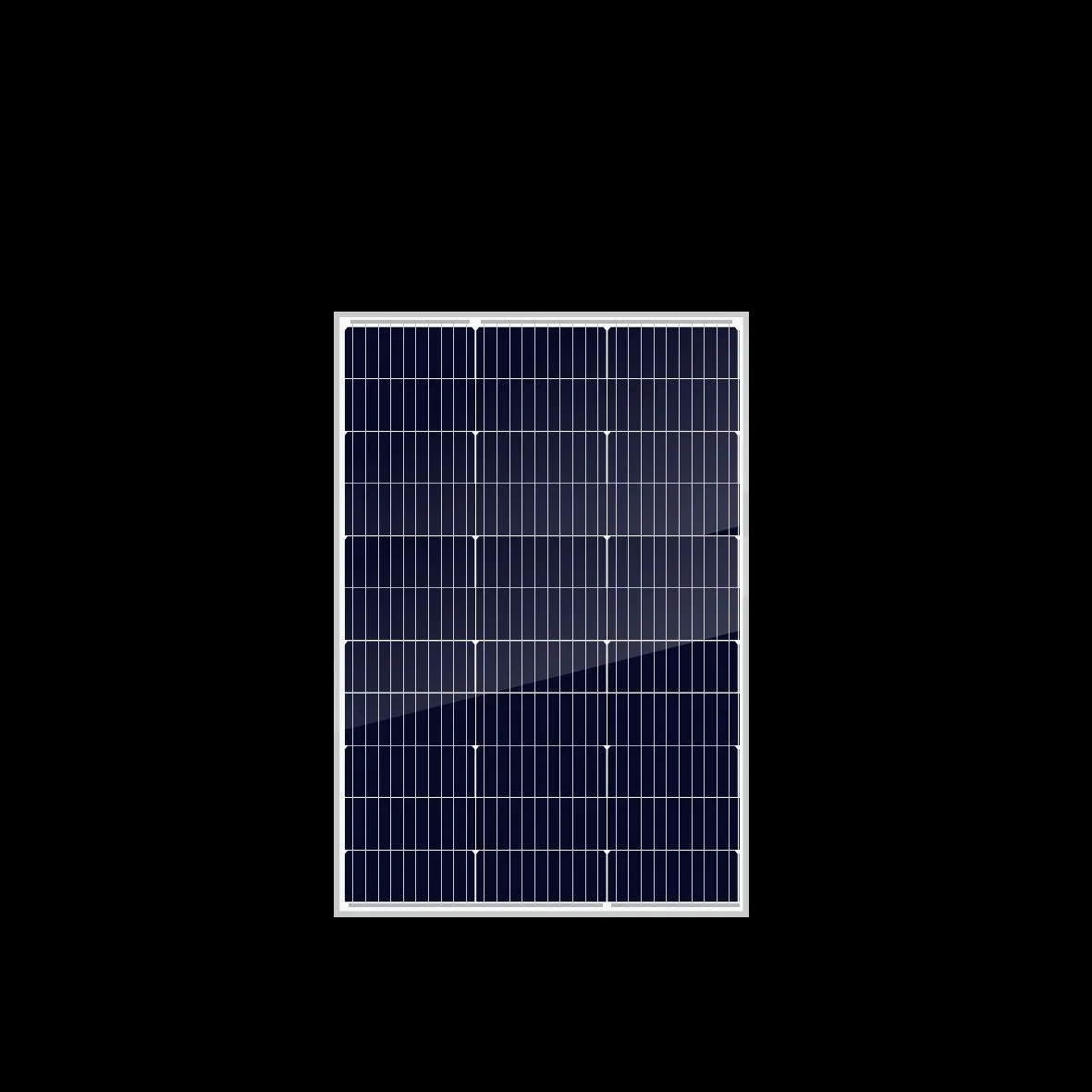
On the DLXN side, the lithium battery range is built around 51.2 V rack modules rated 100 Ah, specified for 6,000 cycles to 80% state of health at 90% depth of discharge. The n-type TOPCon modules in our solar panel catalogue cover 570 W to 620 W at 22.8–23.2% module efficiency with a temperature coefficient near -0.30%/°C. Those are catalogue ranges, not best-bin laboratory results, so a tender should quote the bin actually being delivered.
Inverter selection deserves more attention than it usually gets. The inverter technology notes we publish for installers cover grid-support functions, ride-through settings and the reactive-power envelope that many tenders forget to specify until commissioning.
The buyer for whom this specification is wrong
If the site is leased with three years left on the term, buy the cheapest bankable module and skip module-level electronics. Back-contact product carries a premium in the high single digits to low double digits over TOPCon, and a model that must be paid back by 2028 cannot absorb it.
A second wrong-fit case is a heavily shaded urban roof at high latitude. Module-level power electronics recover part of the mismatch loss, yet the cheaper fix is often a smaller array on the unshaded roof plane with the shaded area left empty. Shade is a layout problem before it is an electronics problem.
What goes into the tender
- Specify the module bin, not the family: wattage, efficiency and temperature coefficient as delivered, plus glass construction and frame thickness.
- Require IEC 61215 and 61730 certificates for the exact model, and name the connector brand and torque value.
- Write down the DC/AC ratio and the clipping loss you will accept, then hold the inverter schedule to both.
- For storage, ask for cycle life at a stated depth of discharge and ambient temperature, plus the warranty's throughput cap.
- Require string-level data or a monitored reference array for the first twelve months.
Commissioning records from comparable sites are the fastest way to sanity-check a supplier's claims; a selection of monitored installations sits in our project references. If you are drafting a specification for a 2026 build, the engineering team can review the array layout and storage sizing before the tender closes through the contact page.
Related products
In-stock models that match this article — specs and RFQ on each page.