News & Updates
Latest from DLXN Energy
Residential Storage Efficiency: The Losses That Remain
The cell stopped being the bottleneck
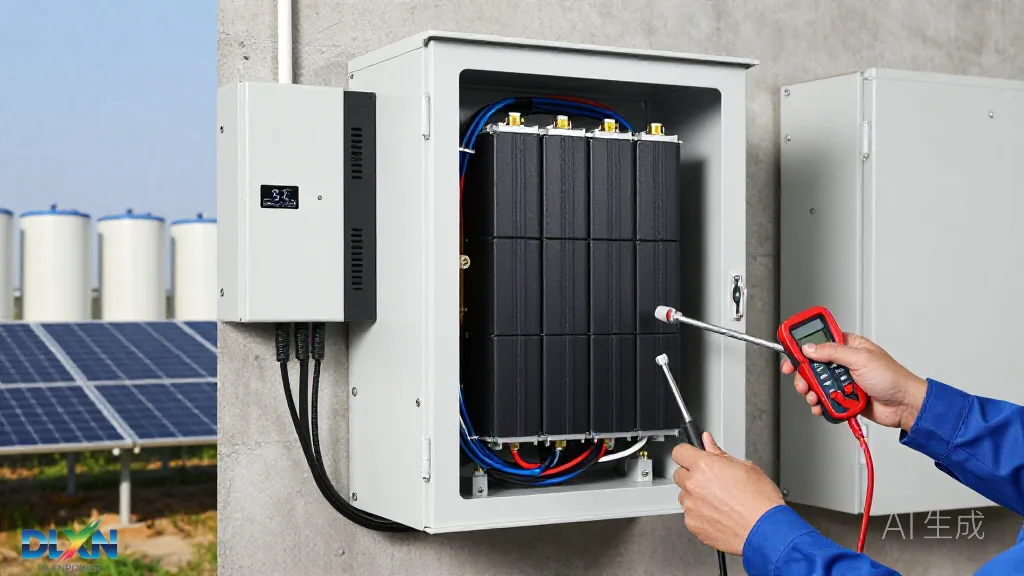
For a lithium iron phosphate cell cycled gently at 0.3C and 25°C, DC round-trip efficiency stopped being the interesting number several years ago. Cells have been good for a long time. What separates a system returning 90% of what you put into it from one returning 82% is everything wrapped around the cell: the charge path in the hybrid inverter, the BMS contactors, the standby draw of the control electronics, and the temperature of the room the cabinet hangs in.
Standby consumption is the most under-quoted figure in the category. A cabinet idling at 20 W pulls roughly 0.5 kWh a day, every day, whether or not it cycles. For a household moving 6 kWh through the battery on a typical evening, that idle draw alone eats about 8% of throughput before a single conversion loss is counted.
Multiply by 365 and the annual figure stops being a rounding error.
Cold is the second quiet tax. LFP charge acceptance falls as cell temperature drops, and most integrated cabinets respond by throttling charge current rather than by heating. A garage sitting at 5°C in February will not deliver the datasheet round-trip, and no firmware update changes the electrochemistry.
Reading the datasheet at the right layer
Vendors quote DC round-trip at 25°C, moderate C-rate, new cells. That figure is honest and largely irrelevant to a homeowner's bill. The useful number is AC-to-AC over a year, at the actual load profile, in the actual room. Everything between those two numbers is real money: one percentage point of round-trip on a 6 kWh daily cycle is around 20 kWh a year, and the spread across well-installed systems is closer to five points. Which is why two neighbours with identical hardware can report quite different satisfaction.
| Measurement layer | Typical range today | Dominant loss |
|---|---|---|
| Cell DC round-trip, LFP, 25°C, 0.3C | 95–97% | Internal resistance, SEI growth |
| Cabinet DC round-trip incl. BMS and contactors | 92–95% | Contactors, sense circuitry |
| Inverter charge plus discharge path | 91–94% | Switching and magnetics |
| Whole-system AC round-trip, mild conditions | 85–90% | Stack of the above |
| Whole-system AC round-trip, 5°C ambient | 80–86% | Charge throttling |
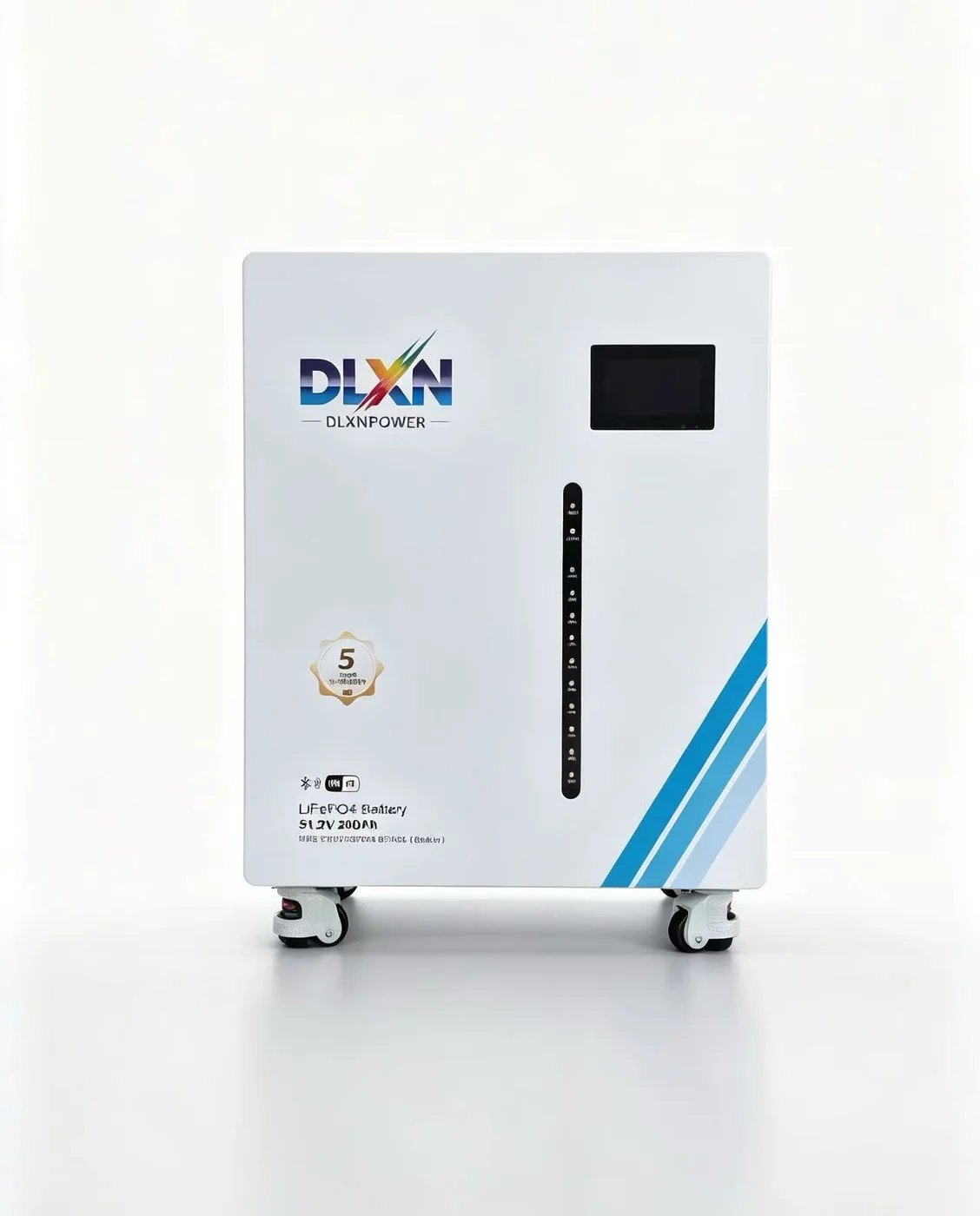
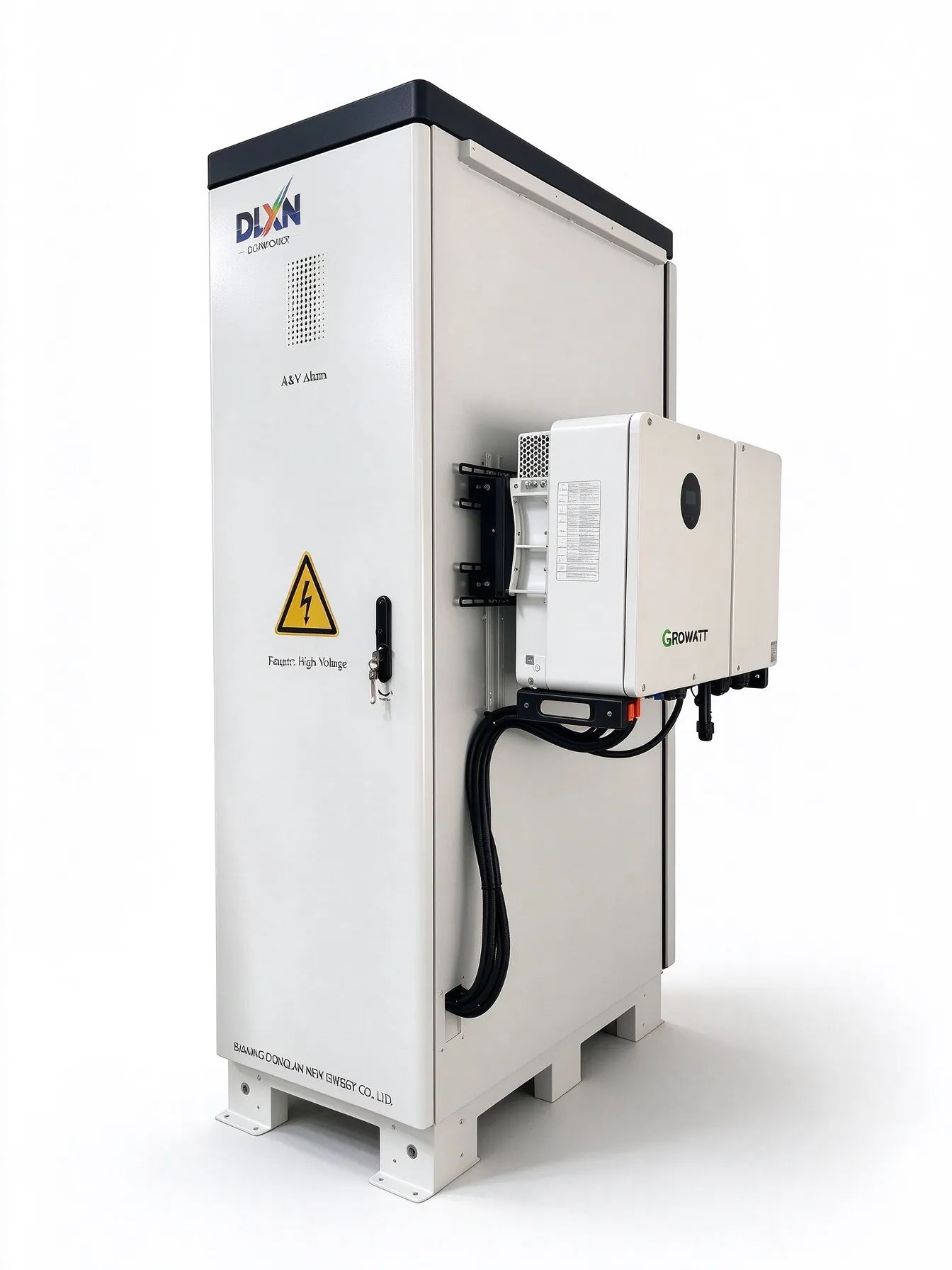
Our own lithium battery range is specified at 51.2 V nominal in 5.12 kWh modules, 0.5C continuous charge and discharge, 6,000-plus cycles to 80% state of health, and DC round-trip above 94% at 25°C. Those are cabinet-level figures. They are not the number a household experiences, and the gap between the two is where installers earn or lose their reputation. Safety qualification to UL 9540A has become the baseline expectation in North American residential work, and it says nothing about efficiency either way.
A retrofit that changed the number, not the hardware
A representative configuration worth studying: a 14 kWp rooftop array paired with a 15 kWh LFP cabinet at a detached house near Utrecht, commissioned in October 2025 and operated by the homeowner under a dynamic hourly tariff. The array was already two years old. Storage was added for evening arbitrage, not for backup.
Commissioning measurements put whole-system AC round-trip in the low 80s. The cabinet was mounted in an unheated detached garage, the inverter's charge path was configured for maximum charge rate to catch the midday price trough, and standby electronics ran on the default always-on communications profile.
Three changes moved the measured figure into the high 80s without touching a cell. Charge current was capped to a level the cabinet could accept without thermal throttling in winter. Outside the trading window, the control board dropped into a low-power polling mode. Relocating the cabinet to an internal wall of the utility room cost a day of labour and a longer DC run.
None of that is a breakthrough in chemistry. It is the ordinary work of matching a system to a house, and it is where most of the available gains now sit.
When a battery is the wrong purchase
If your utility still credits exported solar at the full retail rate, a residential battery is a capital expense that buys you losses. You would be charging at roughly 90% efficiency to avoid buying energy you were going to be credited for anyway. The arithmetic does not close, and no incremental efficiency improvement rescues it.
The second wrong case is a small array with a small evening load. A 3 kWp roof in a mild climate with 2 kWh of evening demand will leave a 10 kWh cabinet sitting at low state of charge for months, which is both financially pointless and unkind to the cells. Backup-only households are the third: a modest UPS-grade unit on the critical circuits costs less and does the job better than a whole-home cabinet cycling daily for no reason.
What to fix before buying more capacity
Most households asking about efficiency actually need commissioning discipline. The battery storage engineering notes we publish cover the electrical side; the list below is the field version.
- Ask for measured AC-to-AC round-trip over seven days at your own load profile, not a datasheet figure.
- Confirm the cabinet's standby draw in watts, and decide where it will sit thermally before the bracket goes on the wall.
- Check the hybrid inverter charge-path efficiency separately from the discharge path.
- Size the battery to your evening load plus a margin, not to your daily generation.
- Require terminal torque values in the commissioning report.
On our own assembly line, the returns that come back to us are almost never cells. They are terminal torque and busbar fasteners, and the same discipline that fixes those fixes most of the efficiency complaints we hear about.
If you want figures for a specific house, our commissioned projects include measured whole-system results from comparable installations, and the team can walk through a load profile with you before any hardware is specified. The right first step is a week of metering, not a purchase order. Talk to our team once you have that data in hand.
Related products
In-stock models that match this article — specs and RFQ on each page.