News & Updates
Latest from DLXN Energy
solar battery for aircon philippines: 2026 sizing guide
The load is small; the runtime is not
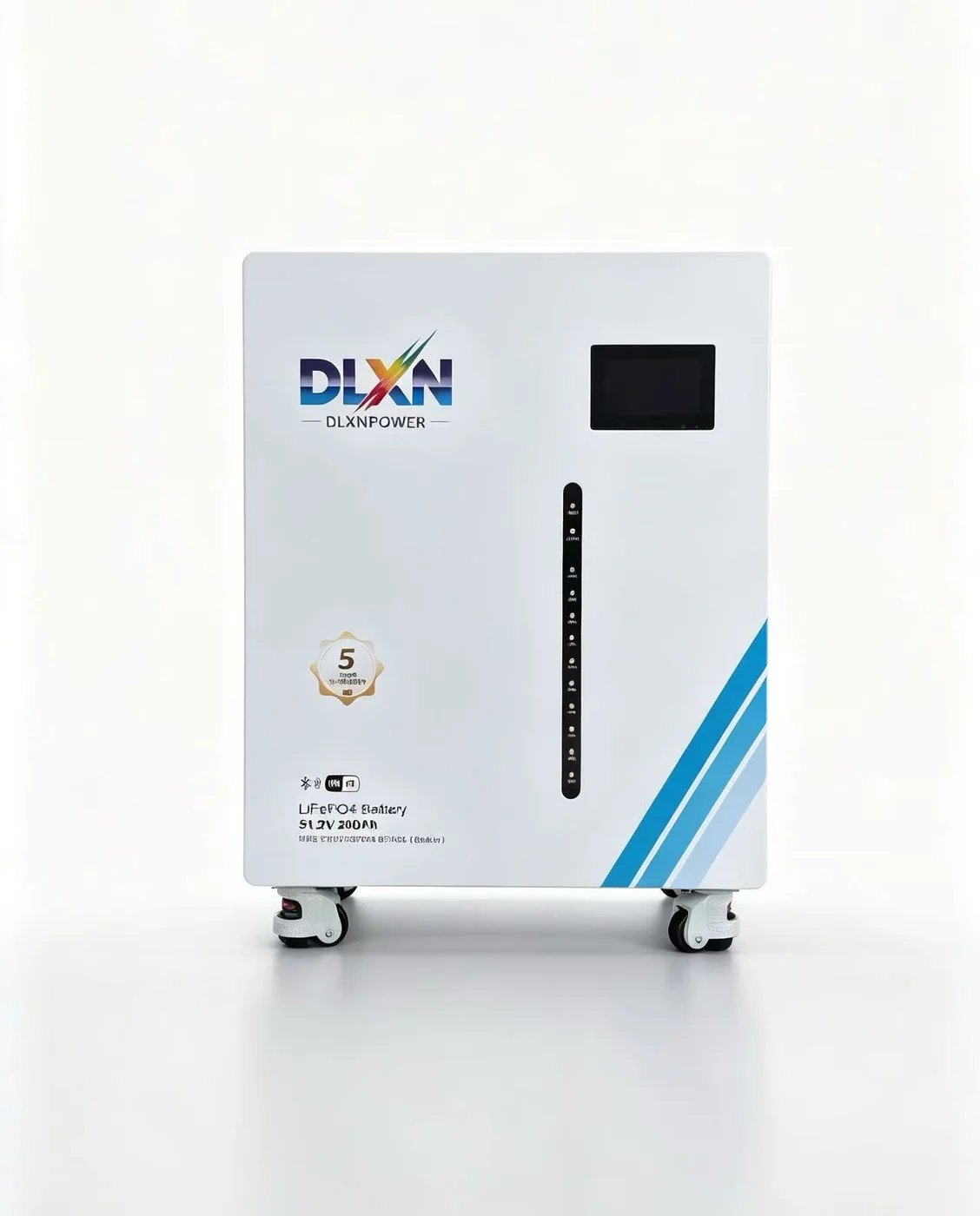
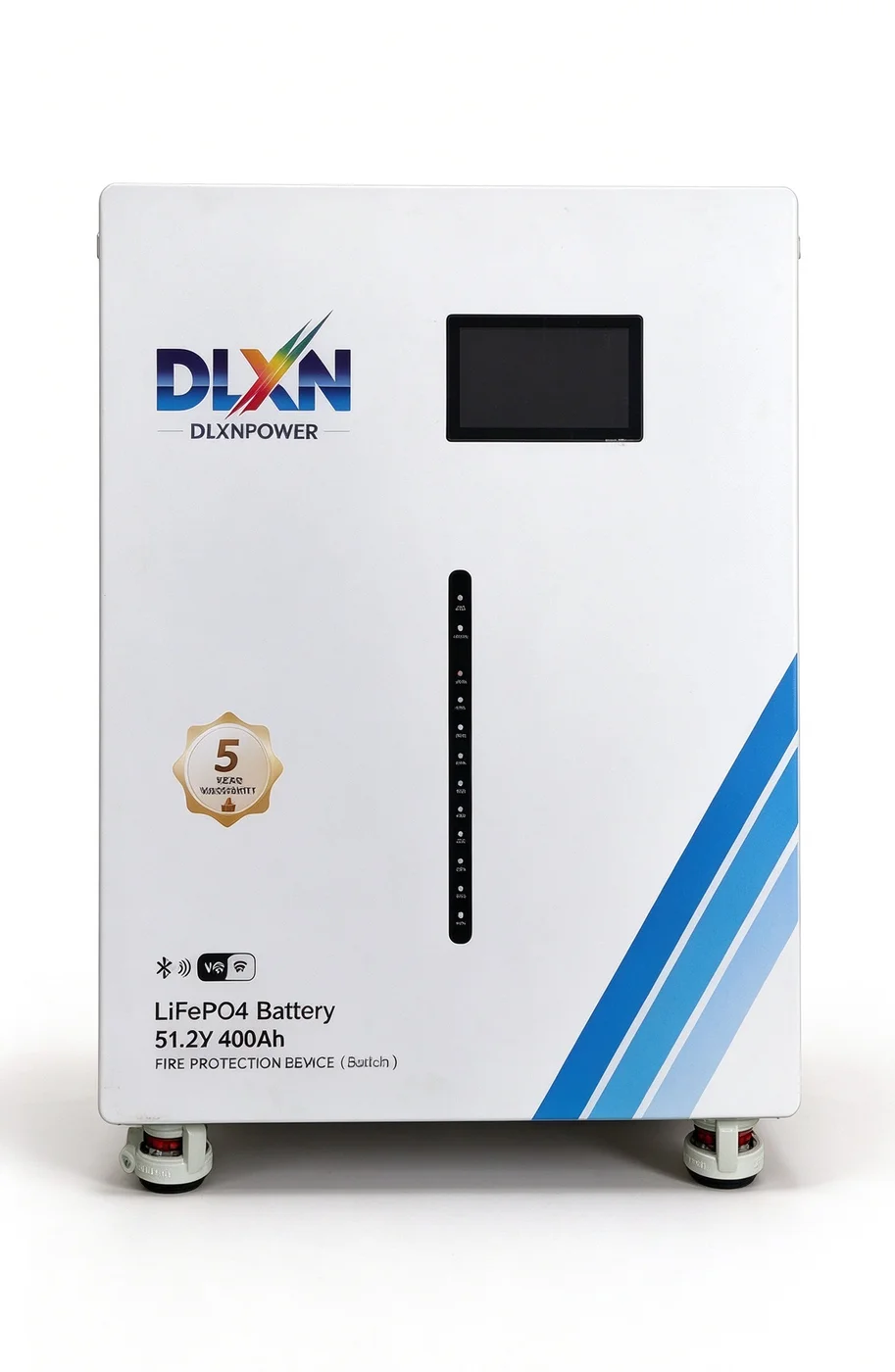
In a 42 sq m condominium in Cebu City, a 1.5 hp inverter aircon set to 24°C pulls ~1.1 kW and runs ~7 hours overnight. The owner is not shopping for a whole-home backup system; he is searching for a “solar battery for aircon philippines” because the load is predictable and the bill is not. A 5–7 kWh usable battery paired with 1.5–2.0 kWp of PV can cover most of that night load, but only if the design starts with the aircon’s duty cycle rather than the inverter’s nameplate. The arithmetic is straightforward but unforgiving. A 1.5 hp inverter unit draws ~1.1 kW at full load; at a 60–70% duty cycle over seven hours it consumes ~4.6–5.4 kWh. Add fans, lights and a refrigerator and the overnight gap is ~6–8 kWh. In Metro Manila, Meralco residential rates have sat around PHP 11–13/kWh in 2026, so every avoided night kWh is worth ~PHP 12 before net-metering credits. A 5.2 kWh DLXN F5200 pack is sized for one aircon plus base loads, not for three units and a water heater. The IEA’s 2025 renewables report notes that distributed PV growth in Southeast Asia is increasingly driven by self-consumption rather than export tariffs; BloombergNEF’s 2026 outlook makes the same point for residential storage. That distinction matters in the Philippines, where export credits are set by distribution utilities and rarely reflect the full retail rate. The solar battery storage case here rests on nightly self-consumption, not on exporting to the grid.
Price bands in PHP, November 2026
Quotes for a solar battery for aircon philippines in November 2026 land in three bands: ~PHP 45,000–70,000 for a 5 kWh LiFePO4 package with a basic hybrid inverter; ~PHP 80,000–130,000 for 10 kWh with a reputable brand and PEC-compliant DC protection; and ~PHP 150,000–180,000 for 15 kWh plus 3–4 kWp of PV and installation. These are installed prices, not sticker prices, and they vary sharply between Metro Manila, Cebu and Davao because freight and installer availability differ. The market price guide tracks the spread; use it as a sanity check before accepting a quotation. Battery chemistry is not the variable it was in 2020. LFP dominates the residential segment, and the LiFePO4 battery price index shows cell prices flat to slightly lower through Q4 2026. Installation labor, not cells, is now the swing cost. NREL’s 2025 benchmark for residential PV-plus-storage shows soft costs can rival hardware costs; in the Philippines, labor and permits are a smaller but rising line. A 10 kWh quote that is PHP 40,000 cheaper than the next bid usually hides a smaller usable capacity, a non-hybrid inverter, or no PEC-grade disconnect.
Sizing for 1.5 hp, 2.0 hp and two-aircon households
Start with the aircon, not the battery. A 1.5 hp inverter unit needs ~1.1 kW; a 2.0 hp unit ~1.6 kW. For seven hours at 65% duty, plan ~5 kWh and ~7.3 kWh respectively, then add 1–2 kWh for base loads. A single 5.2 kWh F5200 pack is a reasonable fit for one 1.5 hp unit in a condo; two aircon units or a 2.0 hp unit in a Davao bungalow push you to 10–15 kWh. Do not size the battery to the aircon’s startup surge alone; inverter units have low surge, and the PEC calculation should use continuous current plus a margin. The common error is oversizing PV and undersizing storage. A 3 kWp array can produce ~12–13 kWh on a good Cebu day, but a 5 kWh battery cannot store it. Exporting the surplus under ERC net metering rules earns a credit, not full retail value.
Regulation: DOE accreditation, ERC net metering, PEC
Three pieces of paperwork decide whether the system is compliant or merely working. First, the installer should be on the DOE’s accredited list; the Department of Energy has been tightening accreditation for solar PV installers, and distribution utilities increasingly ask for it before net-metering approval. Second, ERC net-metering rules govern export credits; the rates and caps vary by distribution utility, so a Cebu homeowner and a Clark homeowner may see different economics. Third, the Philippine Electrical Code (PEC 2017) sets DC cable, disconnect, grounding and labeling requirements. A residential ESS that is not installed to PEC is a liability, not an asset. Ask for the DOE accreditation number, the distribution utility’s net-metering application checklist, and a PEC compliance note in the quotation. If any of the three is missing, the price is not comparable. Net metering is not a subsidy. It credits exported kWh at a distribution-utility rate that is usually below the retail rate, and the application can take several weeks. Budget for that delay and do not let an installer promise instant approval.
What November 2026 pricing looks like in the cities
City-level quotes in November 2026 do not move in lockstep. A Metro Manila installer quoting a 10 kWh LFP system with a hybrid inverter is typically at ~PHP 95,000–125,000 installed, with the higher end including PEC-grade conduit, surge protection and DOE paperwork. Cebu is ~5–10% higher because of ferry freight and thinner installer competition. Davao can be ~10–15% higher again for branded equipment, while Clark benefits from proximity to Manila logistics and more aggressive commercial installers. Wood Mackenzie’s 2026 storage outlook expects continued LFP cost declines, but Philippine landed costs lag because of freight and import duties. None of these bands includes roof reinforcement or a service upgrade, which can add ~PHP 15,000–40,000. Compare quotes on usable kWh, not nameplate kWh. A 10 kWh pack with 90% depth of discharge gives ~9 kWh usable; a 9.6 kWh pack limited to 80% gives ~7.7 kWh. The aircon does not care about the label.
The payback case is narrower than the brochure
At ~PHP 12/kWh and ~6 kWh of nightly aircon load, the avoided cost is ~PHP 72/night, or ~PHP 26,000/year if the aircon runs every night. A PHP 90,000 installed battery has a simple payback of ~3.5 years before replacements and financing—attractive, but only if the battery is cycled hard and the aircon is actually the dominant night load. If the household runs the aircon for four hours, not seven, the payback stretches past six years. A solar battery for aircon philippines is therefore a load-specific investment, not a generic home upgrade. Warranty terms matter as much as price. Look for a 10-year or 6,000-cycle warranty with a written capacity retention figure, and confirm who handles the claim in the Philippines. A local distributor with a Cebu or Manila service desk is worth more than a slightly lower quote from a forwarder.
References: BloombergNEF clean energy research
Sources and primary references
Duty, grid-connection and price-benchmark statements in this article follow the primary sources below. Our own figures are EXW China ranges and are not substituted by external prices.
- DOE — renewable energy — installer accreditation and net-metering participation
- ERC — net-metering rules and approved electricity rates
- BloombergNEF — module, cell and battery pack price benchmarks quoted in this article
- InfoLink Consulting — weekly spot prices for TOPCon / PERC modules and LFP cells
What we quote on this product line into Philippines
Indicative EXW China ranges on the same basis as our product pages; the retail prices in this market are covered in the article.
| Product line | Range | Indicative EXW | Details |
|---|---|---|---|
| Solar modules | 20–650 W, 182 mm / 18 V | USD 0.17–0.23 /Wp | Spec page → |
| Home batteries | 5.12–16.08 kWh, 51.2 V LiFePO4 | USD 95–130 /kWh | Spec page → |
| Residential ESS kits | 3.2–10 kW panel + battery | quoted per configuration | Spec page → |
| C&I cabinets | 100 / 120 / 241 / 261 kWh | USD 110–150 /kWh | Spec page → |
| Solar carport | 6.5 kWp with EV charging | USD 1,200–1,700 /kWp | Spec page → |
Minimum order one pallet; lead time 15–45 days on stock configurations (sea freight to destination quoted separately). These are indicative EXW China ranges, not an offer — final price depends on wattage, quantity, configuration and destination port.
Related products
In-stock models that match this article — specs and RFQ on each page.