News & Updates
Latest from DLXN Energy
Solar panel installation cost Johannesburg: what November 2026 quotes look like
What installers in Johannesburg are actually quoting
"We are not losing deals on panels any more. We are losing them on the battery," says the operations manager at a Randburg installer that priced 41 rooftop jobs in October. That line explains most of the spread in solar panel installation cost Johannesburg homeowners are being shown this month: roughly R18,000 to R26,000 per installed kilowatt for a hybrid system with storage, against R11,000 to R15,000 per kW for a grid-tied array with no battery. The gap is not a markup conspiracy. It is what happens when one quote bundles a 5 kW hybrid inverter, 5 kWh of lithium iron phosphate storage, mounting, DB-board work and a certificate of compliance into a single number, and the next quote quietly strips three of those out. A 5 kWp / 5 kWh package in Johannesburg now lands at ~R95,000 to ~R120,000 including 15% VAT; an 8 kWp / 10 kWh package at ~R150,000 to ~R190,000. Above 10 kWp the per-kW figure falls again, because fixed costs — CoC, registration, scaffolding, long cable runs — get spread across more capacity. Cheaper modules are why the panel line has shrunk. BloombergNEF tracked global module prices at or near record lows through 2026, and South African importers passed most of that through. The labour and compliance layer did not deflate with it.
Where the rand actually goes
Strip out the bundle and the arithmetic is dull but useful. Modules run ~R3,000 to ~R4,500 per kWp for tier-one mono PERC or TOPCon stock landed in Gauteng. A 5 kW hybrid inverter sits at ~R12,000 to ~R22,000 depending on whether it is NRS 097-2-1 listed and whether it can limit export. Storage is the swing item: our own lithium battery price index puts mainstream LFP cells at ~R3,500 to ~R5,500 per usable kWh in November 2026, down from ~R7,000 two years ago. Mounting rails, roof hooks and flashing add ~R1,800 to ~R2,800 per kWp. DC and AC protection, a new DB board, surge arrestors and cabling add ~R6,000 to ~R12,000 on a typical Joburg north-suburb tile roof. Installation labour is ~R2,500 to ~R4,000 per kWp. The CoC is ~R1,500 to ~R3,000. Registration with City Power as a small-scale embedded generator is a modest fee that nonetheless appears as a line item on good quotes. None of those numbers include the two things that most often blow a budget: re-roofing under an ageing hip roof, and trenching if the inverter goes in a garage 20 metres from the board.
The paperwork that moves the number
NRS 097-2-1 is the grid-connection standard, and City Power and Johannesburg Water's municipal processes both lean on it. If the inverter is not listed to it and cannot be set to zero-export or a capped export limit, the installation cannot be legally registered — and unregistered grid-tied systems are the ones municipal inspectors disconnect. SANS 10142-1 is the wiring standard behind the CoC, and since its 2020 amendment it covers the DC side explicitly. That is why a compliant quote includes string fusing, DC isolators at the array, and a CoC issued by a registered person who actually inspected the DC work rather than signing off on the AC board alone. Then there is NRCS. Imported inverters and lithium batteries need a Letter of Authority before they can be sold legally in South Africa, and cut-price grey imports frequently have none. Ask for the LOA number before you pay a deposit — a battery with no LOA is a warranty claim waiting to fail.
The 2023 panic is gone. The tariff is not.
Load shedding has been largely suspended for most of 2025 and into 2026 as Eskom's energy availability factor recovered to ~60% from its 2023 lows. That has changed the sales pitch in Johannesburg from "keep the lights on" to "cut the bill", and it has made buyers more price-sensitive, not less. NERSA's MYPD6 decision set Eskom increases at 12.74% from April 2025, 5.36% from April 2026 and 6.19% from April 2027, while municipal tariffs moved again on 1 July 2026 — City Power's marginal residential rate now sits at ~R3.00 to ~R3.30 per kWh all-in, depending on the block. The incentive arithmetic also changed. The Section 12B 125% business deduction for renewables expired on 28 February 2025, and the residential rooftop rebate ended in February 2024. Anyone quoting a tax benefit on a household system in November 2026 is working from an old spreadsheet. On a 5 kWp array in Johannesburg yielding ~1,600 kWh per kWp per year, and assuming 80% self-consumption, savings land near ~R20,000 to ~R24,000 a year. Against R100,000 installed, that is a four-to-six-year payback — respectable, and entirely dependent on the tariff trajectory rather than any subsidy. Compare the current numbers against our South Africa market price guide before you accept a per-kW figure as normal.
How to read a quote that lands on your desk
Insist on itemisation. A credible Johannesburg quote separates modules by wattage and model, inverter by model and NRS listing, battery by usable kWh and chemistry, balance-of-system, labour, CoC, and registration. A single lump sum with "5kW system" in the description tells you nothing about whether the storage is 5 kWh or 5 kW, or whether the inverter can be registered at all. Ask three questions of any installer. First, what is the NRS 097-2-1 listing number for this inverter, and what export limit will you configure? Second, will the CoC cover the DC installation, and who signs it? Third, what is the battery's cycle warranty in writing, at what depth of discharge, and who honours it in South Africa? Installers with good answers tend to have good residential ESS partners behind them. Finally, sanity-check the sizing rather than the price. A house that uses 25 kWh a day does not need a 20 kWh battery; it needs a correctly sized array, a modest battery and a load profile that matches. Oversizing storage is the most common way Johannesburg buyers add R30,000 to a bill for no return. Our solar battery storage topic hub has the sizing maths, and the panel range gives current module specs to compare against what your installer is proposing.
Related products
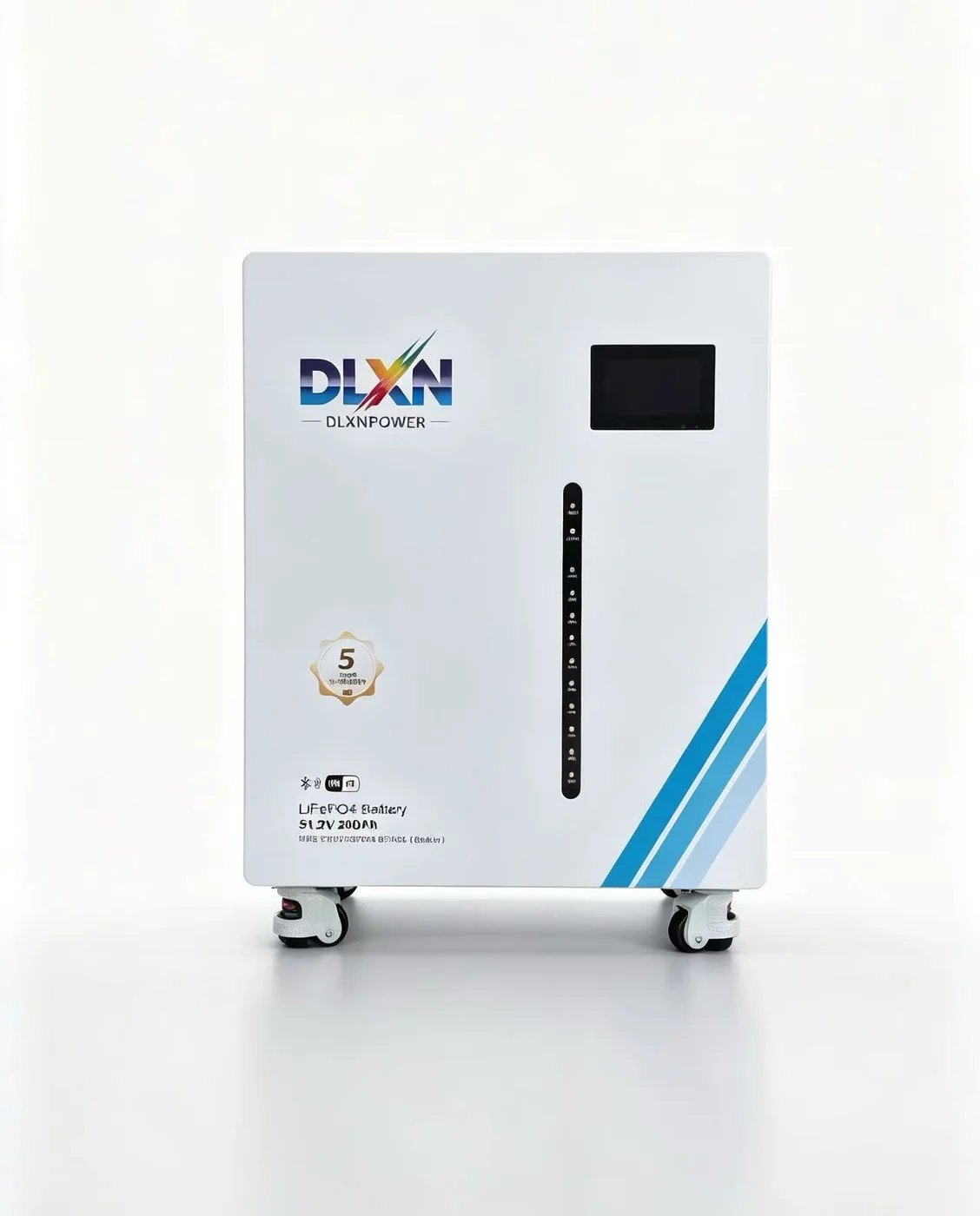
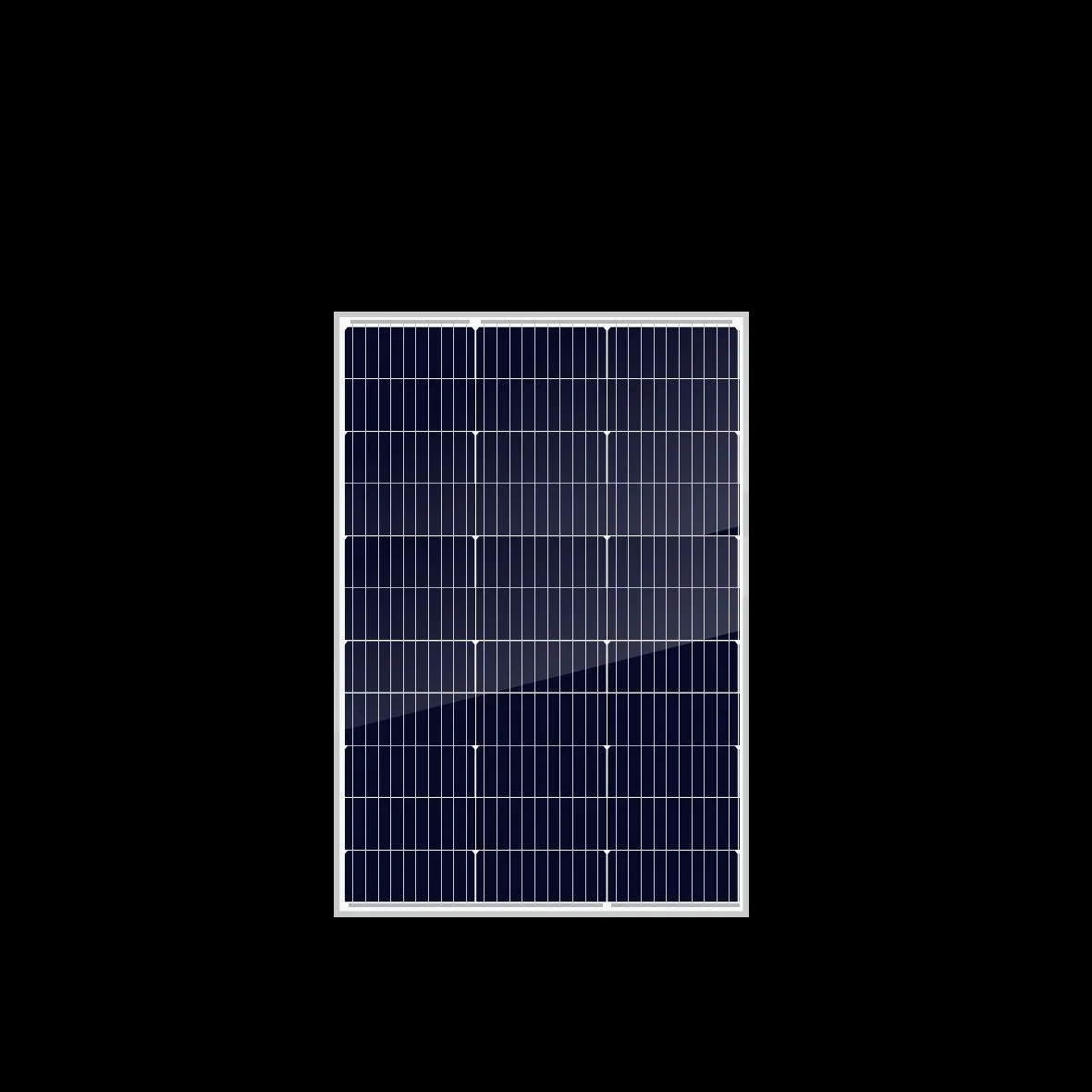
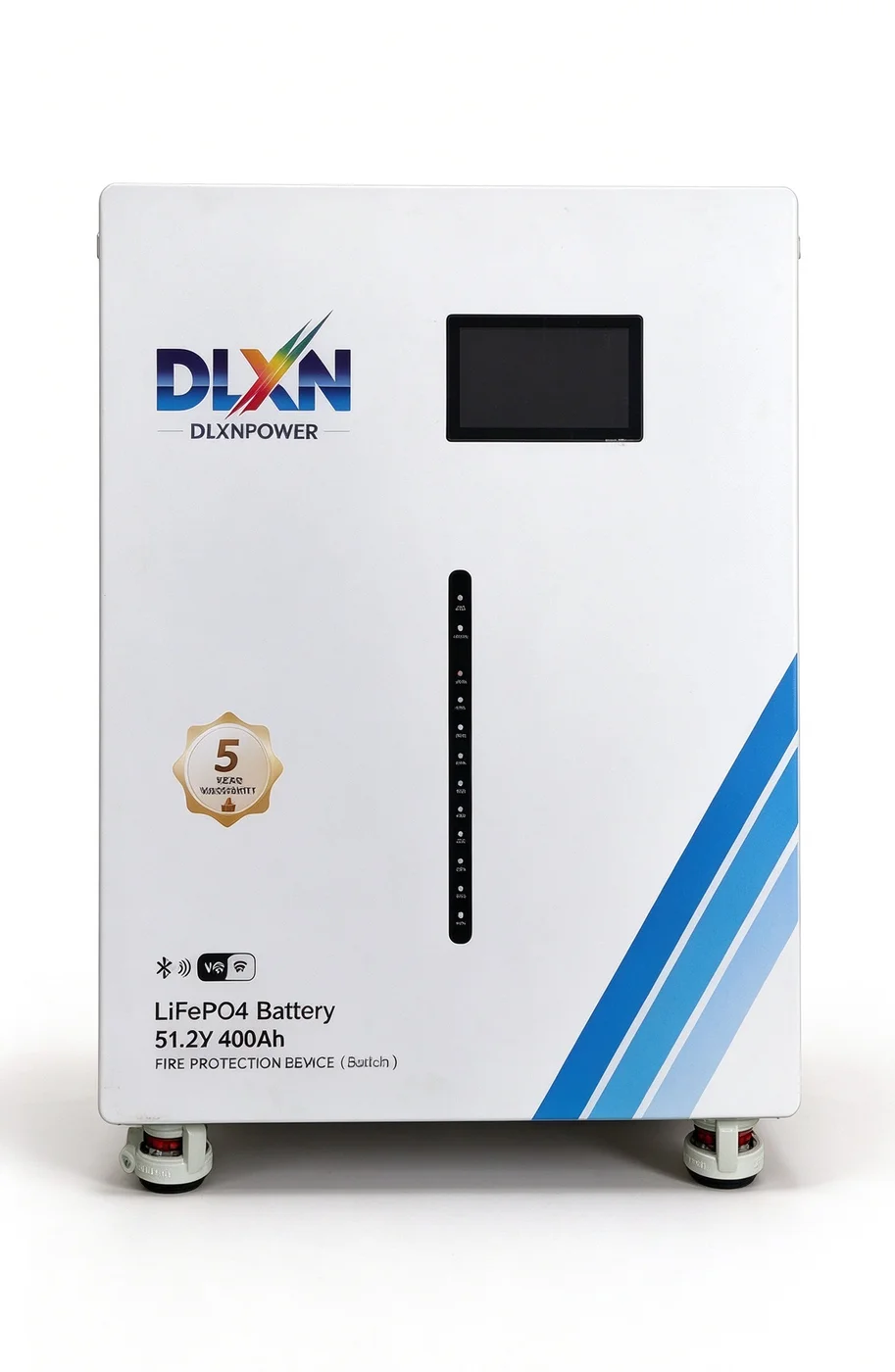
In-stock models that match this article — specs and RFQ on each page.