News & Updates
Latest from DLXN Energy
Solar panel maintenance cost Philippines: 2026 PHP breakdown
The number first, the caveats after
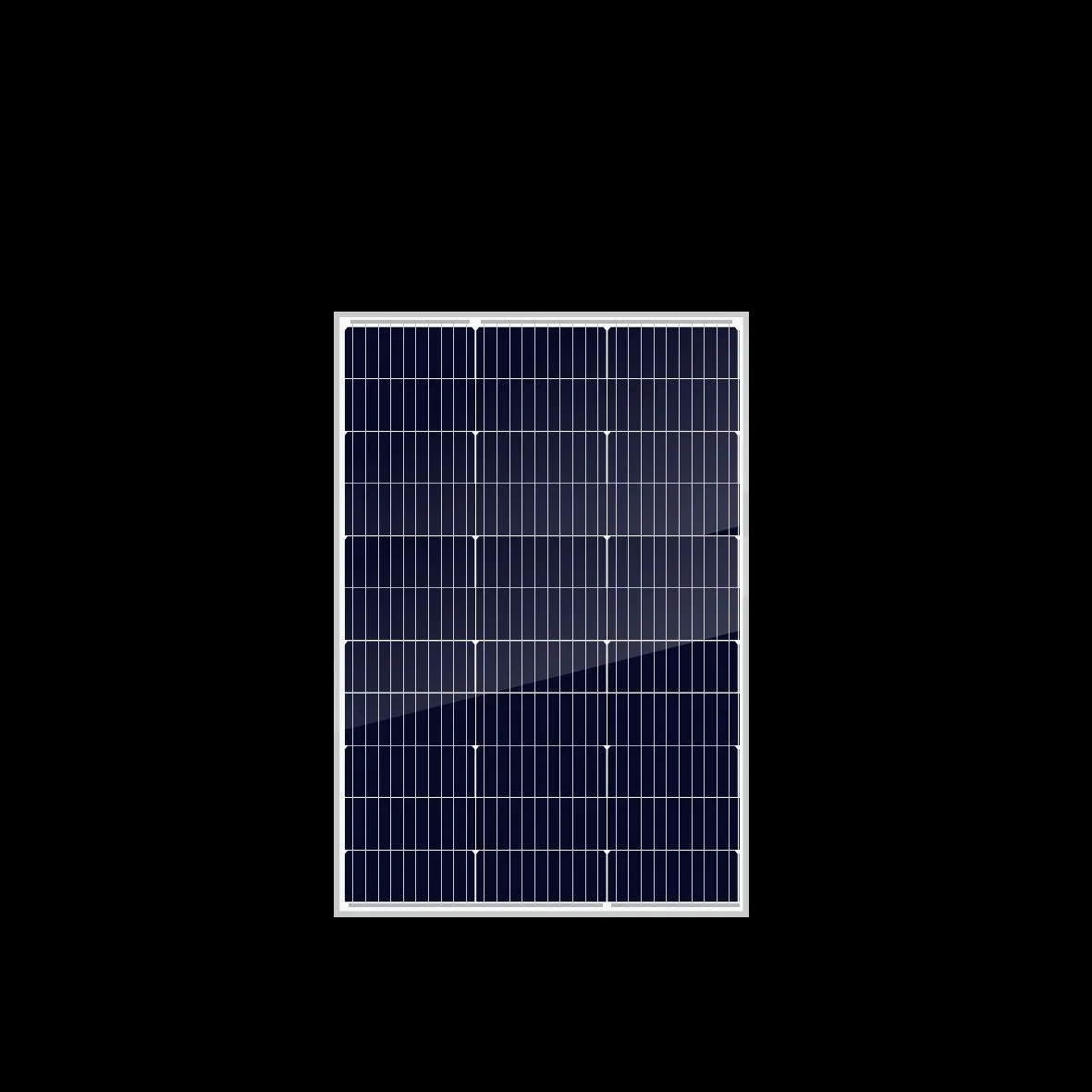
A 3 kWp rooftop in Metro Manila now costs ~PHP 3,500–7,500 a year to keep in service, based on November 2026 quotes from DOE-accredited installers in Quezon City, Cebu City and Davao. That band is the working answer to the solar panel maintenance cost Philippines homeowners keep asking about — and it works out to roughly 2–4% of what the array cost to build at current market price guide levels, where a residential 3 kWp package still lands near ~PHP 150,000–200,000 installed. Most of that money is not washing. It is inspection, torque checks on rail clamps and MC4 connectors, inverter firmware and fan service, and string-level electrical tests when output drifts. Modules are close to maintenance-free; the balance of system is where the labour hours go. Cleaning alone is not maintenance, whatever the flyers say.
What the line items actually look like
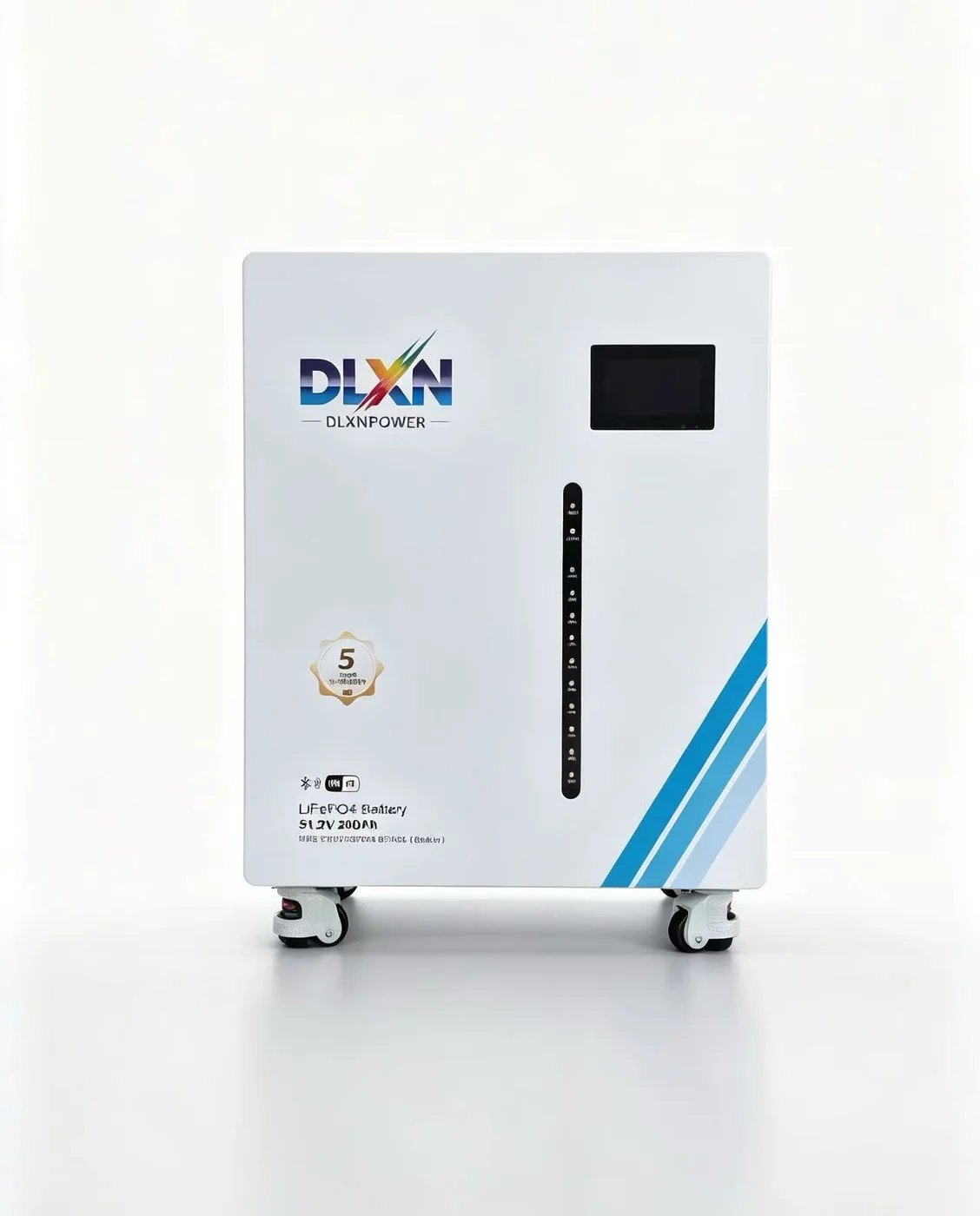
Panel washing in Metro Manila runs ~PHP 50–120 per module for a manual wash with filtered water, so a 12-panel array is ~PHP 600–1,400 per visit. Twice a year is the usual recommendation in the Luzon dry season, when dust and Jeepney-road grit settle fast; once is enough for most of the year in Davao, where the rain load does more of the work. Anyone quoting PHP 3,000 to hose down eight panels is charging for a ladder and a bucket. Inverter service is the bigger recurring cost. An annual inspection with fan cleaning, DC insulation resistance test and firmware update typically runs ~PHP 1,500–3,000 in labour, more if the unit has to be de-mounted. String-level IV curve tracing or thermal imaging, which is worth doing once every two years on arrays older than five years, adds ~PHP 2,000–4,000. For hybrid systems, the lithium battery is the line item people forget: LFP packs are rated for ~6,000 cycles, but capacity check-ups and balancing are not free, and a 5 kWh replacement remains the single largest future expenditure on most Filipino hybrid installs — the 2026 LFP price index is the reference to budget against.
Regulation adds a fixed layer
Three rules shape what you pay, and two of them are compliance costs rather than hardware costs. First, DOE accreditation: distribution utilities generally require net metering applications to be filed with an installation by a DOE-accredited renewable energy installer, which pushes labour rates up in provinces where accredited firms are few. Second, the ERC net metering rules under ERC Resolution No. 09, Series of 2013 set the credit at the utility's blended generation rate — currently ~PHP 4–6/kWh with Meralco, against a retail rate of ~PHP 11–13/kWh — so every kilowatt-hour lost to a dirty array or a failing string is credited at less than half of what it would have offset. Third, the Philippine Electrical Code. Any modification to a net-metered system — a string reconfiguration, an added battery, a new hybrid inverter — needs the installation to stay PEC-compliant and typically triggers re-inspection by the distribution utility. Budget ~PHP 3,000–8,000 in documentation and inspection fees for any mid-life change, and check that the solar panels you add match the original string voltage window.
Cebu, Davao and Clark do not price the same
Salt is the Cebu variable. Coastal installations in Mactan and Lapu-Lapu show faster connector corrosion and more frequent clamp re-torquing, so a Cebu owner should expect the top of the range rather than the middle. Clark and the wider Pampanga corridor deal with volcanic dust and lahar residue, which binds to glass differently from ordinary road dust and often needs a surfactant wash rather than a plain rinse; HVAC-heavy commercial rooftops there also run hotter, and heat derating shows up as underperformance rather than an obvious fault. Davao is the cheapest of the four to maintain, on installer quotes, largely because fewer typhoon-grade inspections are needed and labour rates sit below Metro Manila. That said, the November 2026 exit from the wet season is the practical window for a pre-dry-season check anywhere in the country.
When the spend stops making sense
The honest threshold: if a system is more than 12 years old, inverter replacement is looming, and annual maintenance plus a new inverter exceeds ~PHP 60,000, the money is usually better spent on a fresh array with a modern hybrid inverter than on keeping a 2013-vintage string alive. Below that line, the arithmetic favours maintenance — a 3 kWp array generating ~4,000 kWh a year at ~PHP 12/kWh offsets roughly ~PHP 48,000, and skipping a PHP 2,500 inverter service to save money is how a PHP 25,000 inverter failure gets booked. For owners stacking batteries onto existing arrays, the solar battery storage hub covers sizing and the residential ESS range is where most Metro Manila retrofits land. Budget the maintenance line annually, in PHP, before you sign the installation contract — not after the first inverter fault.
Sources and primary references
Duty, grid-connection and price-benchmark statements in this article follow the primary sources below. Our own figures are EXW China ranges and are not substituted by external prices.
- DOE — renewable energy — installer accreditation and net-metering participation
- ERC — net-metering rules and approved electricity rates
- BloombergNEF — module, cell and battery pack price benchmarks quoted in this article
- InfoLink Consulting — weekly spot prices for TOPCon / PERC modules and LFP cells
What we quote on this product line into Philippines
Indicative EXW China ranges on the same basis as our product pages; the retail prices in this market are covered in the article.
| Product line | Range | Indicative EXW | Details |
|---|---|---|---|
| Solar modules | 20–650 W, 182 mm / 18 V | USD 0.17–0.23 /Wp | Spec page → |
| Home batteries | 5.12–16.08 kWh, 51.2 V LiFePO4 | USD 95–130 /kWh | Spec page → |
| Residential ESS kits | 3.2–10 kW panel + battery | quoted per configuration | Spec page → |
| C&I cabinets | 100 / 120 / 241 / 261 kWh | USD 110–150 /kWh | Spec page → |
| Solar carport | 6.5 kWp with EV charging | USD 1,200–1,700 /kWp | Spec page → |
Minimum order one pallet; lead time 15–45 days on stock configurations (sea freight to destination quoted separately). These are indicative EXW China ranges, not an offer — final price depends on wattage, quantity, configuration and destination port.
Related products
In-stock models that match this article — specs and RFQ on each page.