News & Updates
Latest from DLXN Energy
solar panel for mining camp ghana: Tamale GHS maths
Diesel is the baseline, not the enemy
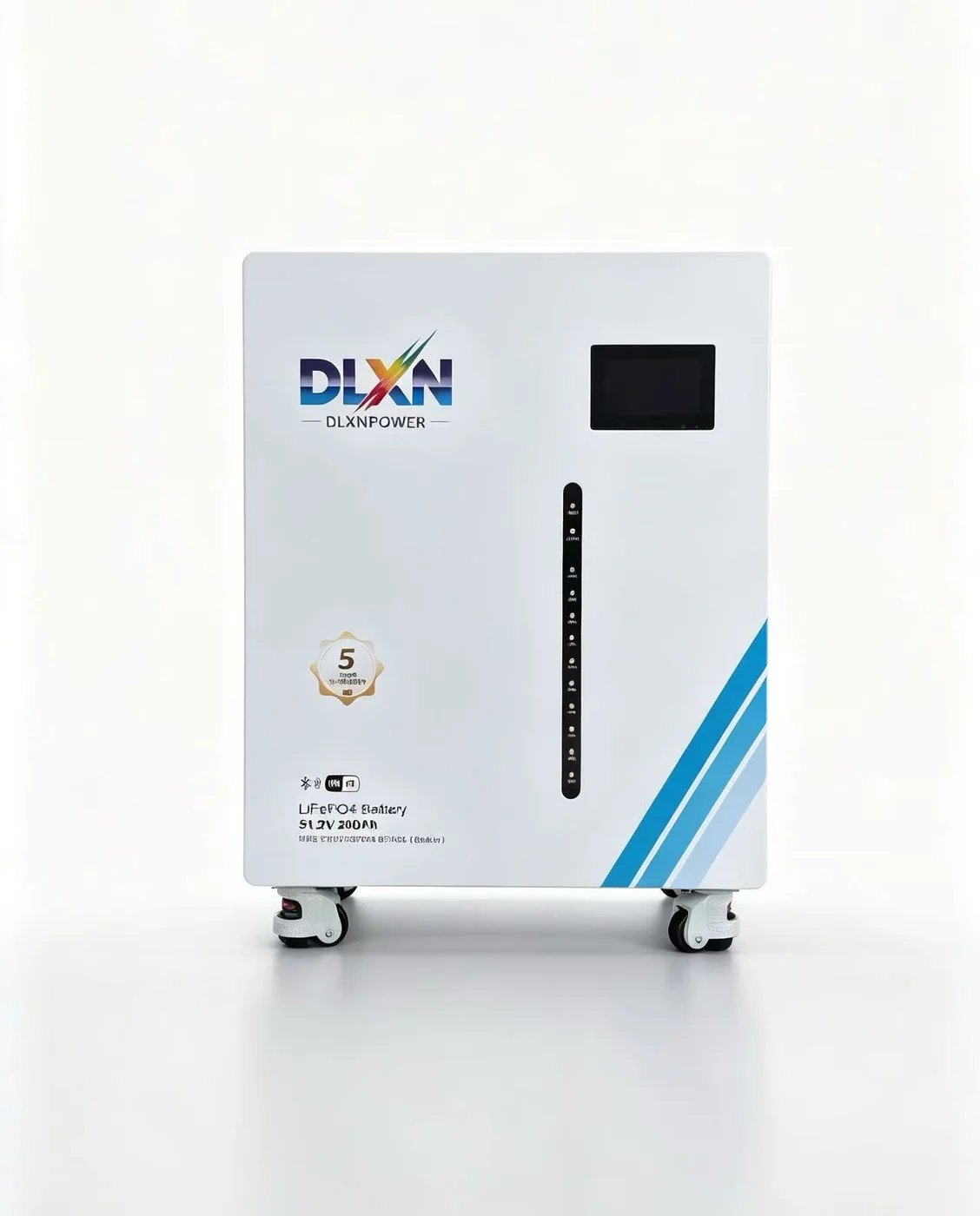
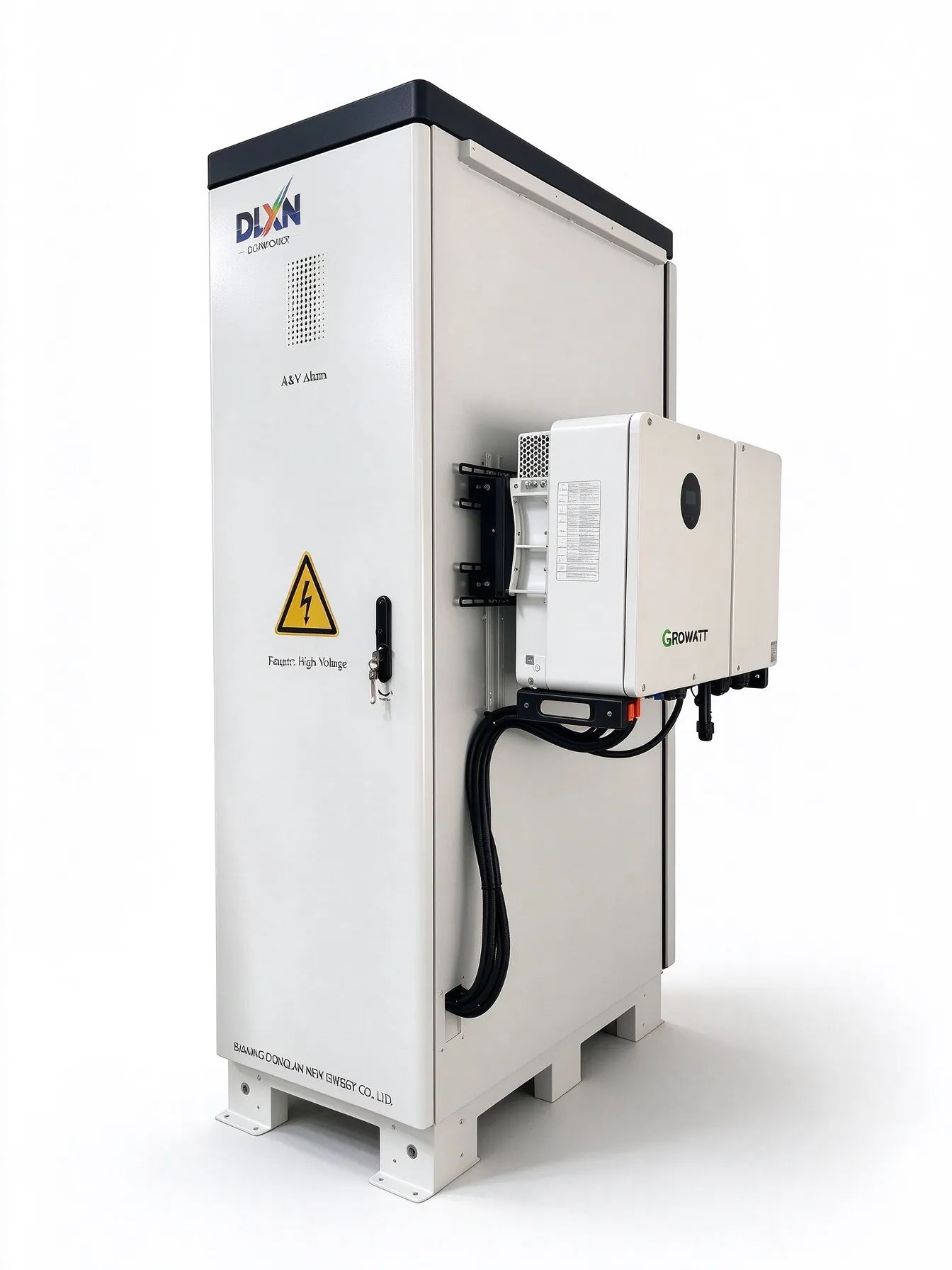
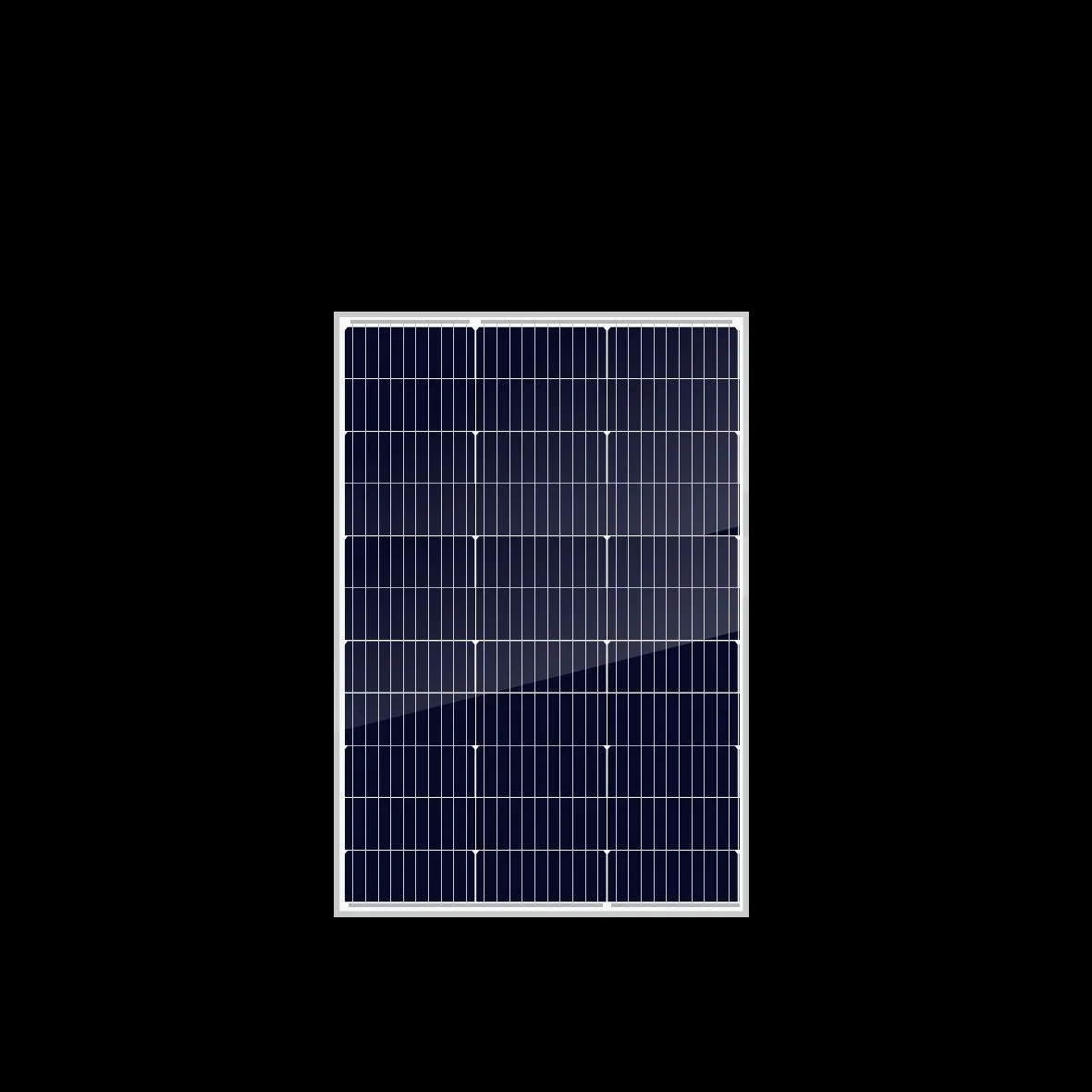
At a gold camp outside Tamale, the diesel tank is still the loudest object on site. That is why a solar panel for mining camp ghana now arrives in a quote with a battery line item, not just a module count. Camp managers in Ghana are not buying green certificates; they are buying fewer fuel runs on the Tamale-Bolgatanga road and fewer 3 a.m. genset failures. The baseline is blunt: at ~GHS 16/litre delivered and ~3.5 kWh/litre from a mid-size genset, fuel alone costs ~GHS 4.6/kWh before maintenance, filters and the technician’s pickup. A typical exploration or small open-pit camp in Ghana runs a 60-150 kW peak load, with a base of 25-50 kW for accommodation, offices, security and communications. Drilling and dewatering are spikier. That load shape matters more than headline module wattage. A 100 kWp array without storage can shave daytime fuel, but it cannot carry a 40 kW night load through harmattan dust and cloud. The workable architecture is a hybrid: PV, a bidirectional inverter/charger, a lithium iron phosphate bank and the existing genset as backup. Suppliers sell the pieces separately — solar panels, CI ESS cabinets and lithium battery racks — but the camp owner has to insist on one controls narrative. If the PV, battery and genset controllers do not talk, the site will burn fuel to protect settings rather than to carry load.
What Tamale sun actually delivers
Tamale sits on ~5.4 kWh/m²/day of global horizontal irradiation, according to NREL’s PVWatts climate data, but that number flatters a mining camp. Module temperatures in the high 30s to low 40s cut output, and harmattan dust can take another 5-15% until the array is washed. A 100 kWp fixed-tilt array in the Tamale area should be modelled at ~145-155 MWh/year, not at nameplate times 24. That is enough to cover most daytime camp load and push surplus into a 200-300 kWh LFP bank, but only if the design accounts for heat, dust and poor grid quality. Tilt angles of 10-15° are common; steeper angles shed dust better but lose some annual yield. The battery should be sized on night load and genset start cycles, not on a round number from a brochure. A 240 kWh LFP bank at 0.5C is a different asset from a 240 kWh bank asked to absorb drilling spikes at 1C. The genset must also be able to take block load when the inverter connects, or the site will see voltage dips that trip drills and pumps. Wood Mackenzie has tracked mining electrification as a capital-allocation problem, not a sustainability one; that framing fits Ghana. Dust cleaning is a line item, not a promise.
The grid question: ECG, PURC and net metering
A solar panel for mining camp ghana is not a net-metering play. PURC’s net-metering rules apply to grid-connected customers with an ECG interconnection, and they are useful for an Accra office or a Kumasi warehouse with a modest rooftop. They will not finance a 100 kWp plant at a remote camp. For a mine connected to ECG, net metering may offset a small administration load, but the main benefit is still avoided diesel and reduced exposure to outages. The Energy Commission’s licensing and registration regime also has to be checked before anyone energises a captive plant; the rules depend on capacity, ownership and whether power is sold to third parties. The paperwork is boring until the container is stuck at Tema. GSA’s G-CAP conformity route matters for imported modules, inverters and batteries, and a CE certificate alone is not the file customs wants. Buyers should confirm the standard, the test report and the importer’s registration before the proforma invoice is signed.
The GHS maths
A 100 kWp PV plus 240 kWh LFP hybrid, installed with protection, controls and civil works, is landing at ~US$110,000-140,000 in Ghana this month, or ~GHS 1.3m-1.7m at ~GHS 12/US$. That is a wide range because mounting, cable runs and genset integration vary by site. BloombergNEF’s battery price surveys show global pack prices well below installed Ghanaian system costs; the difference is freight, duty, engineering and warranty risk. Use the market price guide to update FX and landed module costs before comparing quotes. At ~GHS 4.6/kWh fuel cost, avoiding 100 MWh/year is worth ~GHS 460,000/year. A simple payback of three to four years looks attractive until battery augmentation, cleaning, insurance and controls maintenance enter the model. The spreadsheet only works if someone owns the cleaning and the cycling data.
What to tender in Accra, Kumasi or Takoradi
The tender should specify IEC 61215 and 61730 for modules, IEC 62619 for cells, IP ratings for inverters, and a factory acceptance test for the battery cabinets. Ask for a single-line diagram, protection settings, genset interface logic and a dust-cleaning schedule with water consumption. Do not accept a proposal that treats the battery as a black box or omits the failed-genset scenario. DLXN’s projects page is a useful reference for how hybrid systems are packaged, but the camp’s load profile still decides the design. The strongest proposals will look boring: conservative DC/AC ratios, clear derating assumptions, spare fuses, local service in Tamale or Bolgatanga, and a written plan for what happens when the LFP bank reaches 80% state of health. The weakest will promise a solar panel for mining camp ghana that pays for itself from net metering alone. In Ghana’s mining belt, the diesel tank remains the benchmark until the hybrid controls prove they can carry load without it.
Related products
In-stock models that match this article — specs and RFQ on each page.