News & Updates
Latest from DLXN Energy
Solar Battery Storage Cost in 2026: A Home Installation Guide

If you are pricing a home battery this year, the honest answer to "what is the solar battery storage cost" is a range, not a number — and the range has moved again in 2026. This guide breaks the installed cost of residential storage into its components, shows what each capacity tier actually costs per kWh, and explains which cost drivers you can influence and which you cannot.
Why Battery Storage Economics Have Shifted
The question is no longer if you should add storage to your rooftop solar array, but when and how much. According to the Solar Energy Industries Association, the U.S. installed 1.6 GW of residential battery storage in Q3 2024 alone — a 45% year-over-year increase. That growth is driven by one number: the average installed cost of a home battery system fell from $1,200 per kWh in 2020 to roughly $800–$1,100 per kWh in 2025, per Lawrence Berkeley National Laboratory.
The math has changed because lithium iron phosphate (LFP) chemistry now dominates residential storage. LFP cells cost approximately $89/kWh at the pack level as of late 2024, according to BloombergNEF, down from $120/kWh in 2022. That 26% cell-level decline translates directly into lower system prices for homeowners.
Breaking Down
Hardware: The
the Total Installed Cost Battery Unit Itself The battery module is the largest single line item. A typical 10 kWh LFP battery retails for $6,000–$8,000 before installation.
That price includes the battery cells, battery management system (BMS), thermal management hardware, and the inverter — either integrated or separate. DC-coupled systems with integrated inverters are generally cheaper per kWh than AC-coupled retrofits because they avoid duplicating inverter hardware.
For homeowners comparing options, solar panels paired with a DC-coupled lithium battery storage system eliminate the need for a second inverter, reducing total hardware costs by 15–20% compared to AC-coupled alternatives.
Installation Labor
and Balance of System Labor accounts for 25–35% of total installed cost. A typical residential installation requires 8–16 hours of electrician time, plus subpanel upgrades, conduit runs, and mounting hardware.
The National Renewable Energy Laboratory's 2024 PV-plus-storage cost benchmark pegs installation labor at $1,800–$2,800 for a 10 kWh system, depending on regional labor rates and the complexity of the electrical service. Balance-of-system components — wiring, disconnects, combiner boxes, and monitoring equipment — add another $800–$1,500. Homes with older electrical panels often require a $1,500–$3,000 panel upgrade to meet code requirements for backfeed and rapid shutdown.
Permitting, Inspection, and Soft Costs
Soft costs remain stubbornly high. Permitting fees range from $150 to $500 depending on jurisdiction.
Engineering review for structural and electrical approval adds $200–$600. Interconnection applications with the local utility can cost $50–$300. Combined, soft costs represent 10–15% of the total project price — a figure the U.S. Department of Energy has targeted for reduction through its Solar Energy Technologies Office initiatives.
2026 Price Table: What
Each Battery Size Costs The table below gives indicative 2026 installed cost ranges by usable battery capacity, covering the battery, the inverter or hybrid unit, standard balance of system, and typical installation labor. Figures are market ranges for budgeting, not quotes: local labor rates, roof or wall type, panel age, and utility interconnection fees move the final number by tens of percent in either direction.
| Battery capacity | Installed cost range (2026) | Effective $/kWh | Typical household fit | DLXN hardware |
|---|---|---|---|---|
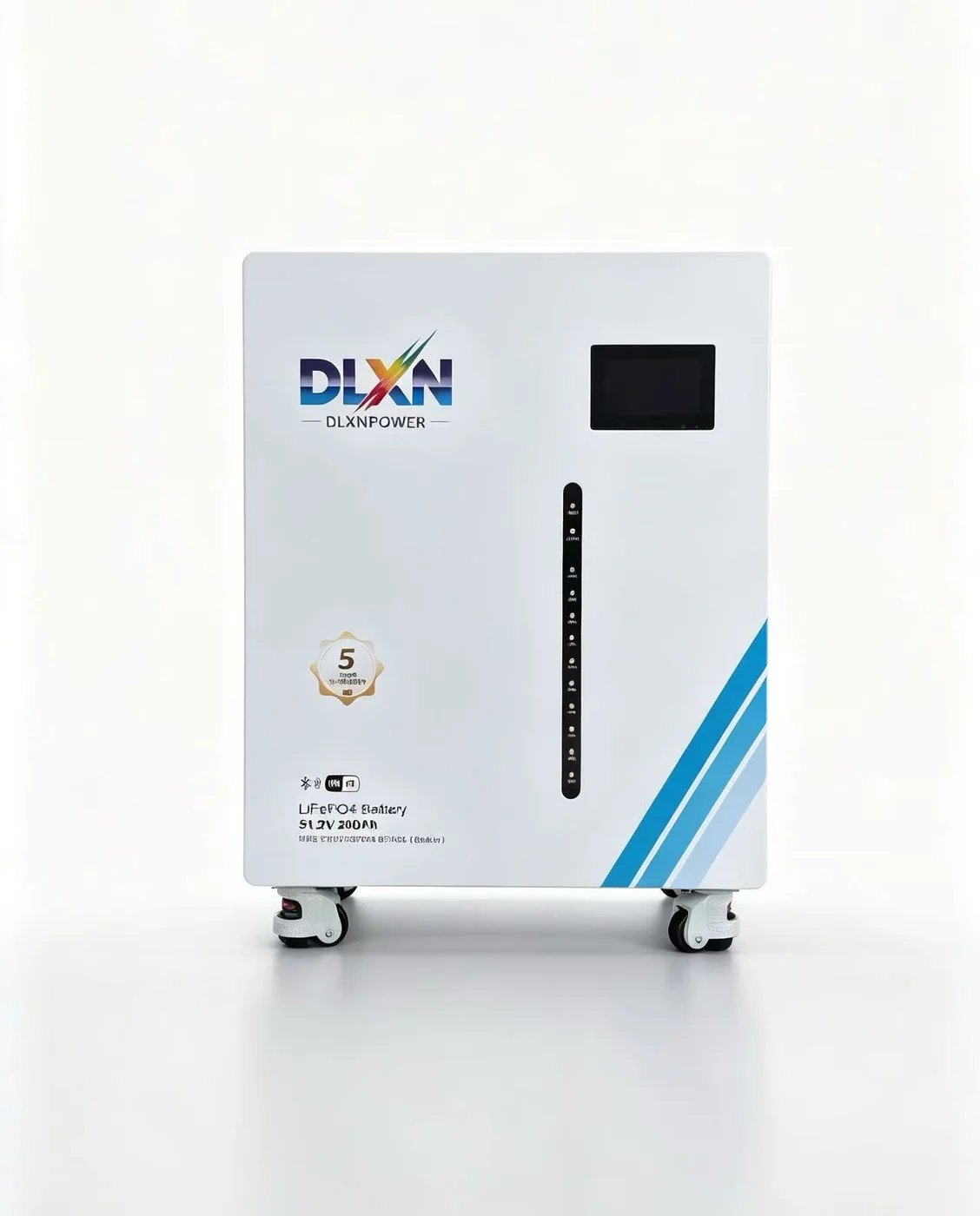
| 5 kWh | $4,200 – $5,800 | $840 – $1,160 | Time-of-use shifting on a smaller array; essential-loads backup only | DLXN-F2200 5.12 kWh wall battery |
| 10 kWh | $7,300 – $10,200 | $730 – $1,020 | The default choice: overnight baseload plus critical loads during outages | DLXN-F5200 10.24 kWh battery |
| 15 kWh | $10,400 – $14,600 | $690 – $970 | Homes with a heat pump or one EV, or long evening peaks | F5200 + F5100 5.12 kWh in parallel |
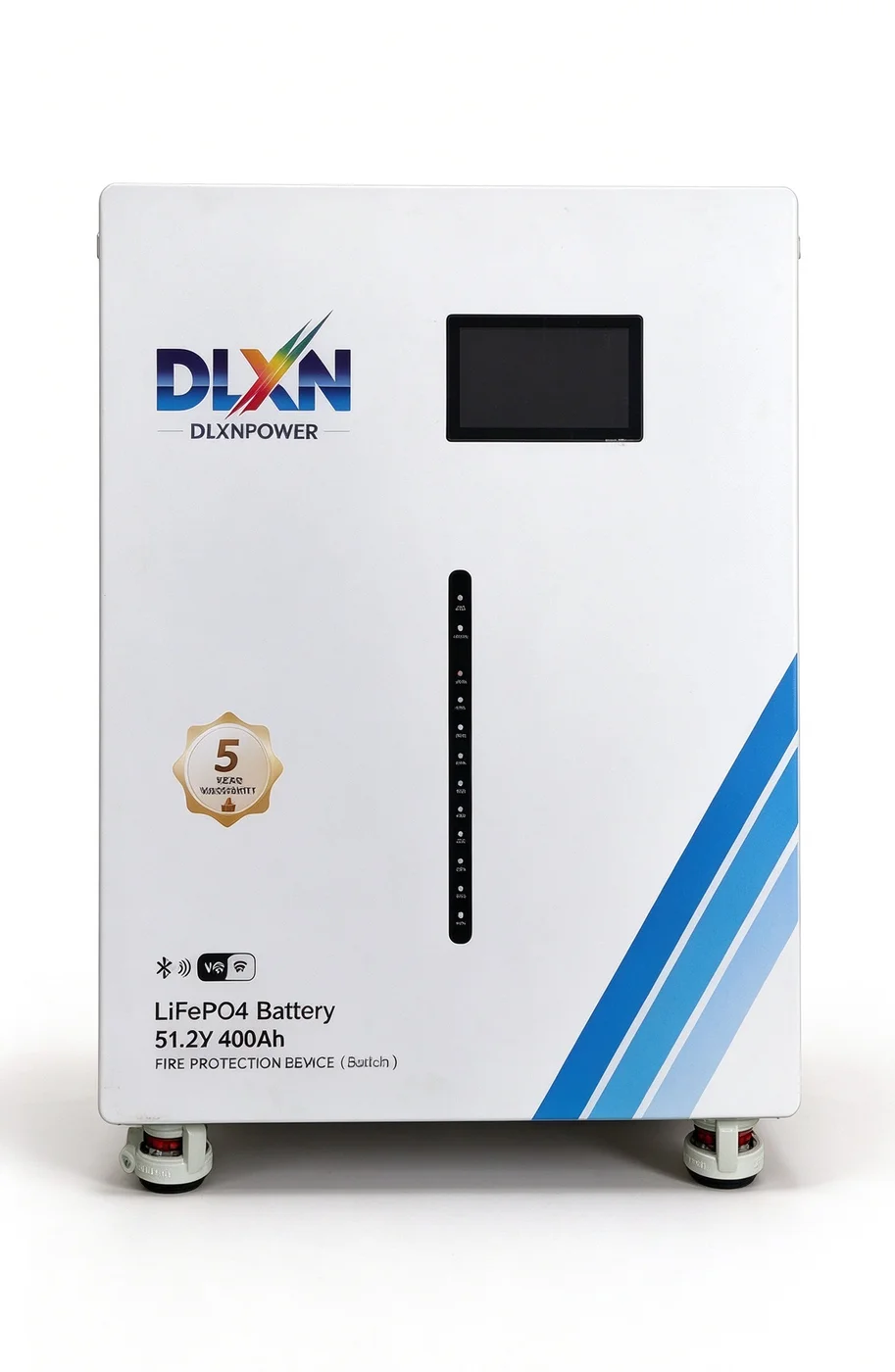
| 20 kWh | $13,400 – $18,800 | $670 – $940 | All-electric homes, frequent outage areas, partial grid independence | DLXN-F5400 20.48 kWh battery |
Two notes on reading the table. First, cost per kWh falls as capacity rises because the inverter, labor, and permitting are largely fixed — this is the "marginal cost" effect described below.
Second, figures cover a straightforward retrofit. A whole-home 20 kWh installation that also needs a main-panel upgrade and a new subpanel typically lands at $16,000–$20,000, which is why quotes for the same nominal capacity can differ by several thousand dollars.
Sizing: How Many
kWh Do You Actually Need?
Load Analysis: The First Step
Before any quote, complete a 24-hour load profile. A typical U.S. home consumes 30 kWh per day, but only 20–30% of that occurs during peak evening hours when solar production is zero.
For whole-home backup, you need enough battery capacity to cover your overnight baseload: typically 10–15 kWh for a gas-heated home, 20–30 kWh for an all-electric home with heat pumps and an EV. The U.S. Energy Information Administration reports that residential electricity rates rose 4.3% in 2024 to an average of 16.4 cents/kWh.
In states with time-of-use rates — California, Massachusetts, and Arizona — battery arbitrage can shift 60–70% of consumption to off-peak hours. That behavior alone can reduce annual electricity costs by 25–40%.
The 10 kWh Rule of Thumb
For most homeowners, a 10–13.5 kWh system provides the best economics. It covers overnight baseload, supports critical loads during outages, and qualifies for federal incentives without oversizing.
A 10 kWh system at $900/kWh installed costs $9,000 before incentives. After the 30% federal Investment Tax Credit (ITC) — which now applies to standalone storage under the Inflation Reduction Act — the net cost drops to $6,300. Larger 20 kWh systems cost $16,000–$20,000 installed but only make sense for all-electric homes, frequent outage areas, or homeowners seeking full grid independence.
The marginal cost of additional capacity is lower — around $700–$800/kWh — but the payback period extends beyond 10 years for most markets.
Evaluating Installer Quotes: What to Look For
Price Per kWh: The Benchmark Metric
Request quotes from at least three installers and compare on a price-per-kWh basis. The national average is $900–$1,100/kWh installed for a 10 kWh system, per EnergySage's 2024 marketplace data. Any quote above $1,300/kWh deserves scrutiny; any quote below $700/kWh may indicate undersized equipment or poor workmanship.
Warranties: The Fine Print Matters
LFP batteries carry 10-year warranties guaranteeing 70% capacity retention at the end of term. Some manufacturers offer 15-year warranties with 60% retention.
Critical terms to verify: whether the warranty covers labor for replacement, whether the BMS is included, and whether the warranty is transferable if you sell your home. For homeowners integrating storage with existing solar, modular residential ESS units can be expanded from 5 kWh to 30 kWh, allowing you to start small and add capacity as budgets allow.
The modular design also means you can replace individual modules rather than the entire system at the end of warranty.
Financing vs. Cash Purchase
Cash purchases yield the best economics — no interest, no dealer fees. If financing, beware of loans with 20–30% dealer fees baked into the quoted price.
A $15,000 system financed over 15 years at 8% APR costs about $143/month. Compare that to your average monthly electricity bill; in states like California ($300/month) or Hawaii ($350/month), the battery pays for itself immediately.
Payback Periods
The Three Economic Cases
and ROI Scenarios The payback period depends entirely on your utility rate structure and outage frequency. In Hawaii — where electricity costs $0.42/kWh, the highest in the nation — a 10 kWh system pays back in 4.5 years through arbitrage alone.
In states with 1:1 net metering and low rates like Utah ($0.11/kWh), payback stretches to 12–14 years without outage-related value. The third case is outage protection.
Wood Mackenzie estimates that homeowners in wildfire-prone or hurricane-prone regions value backup power at $2,500–$5,000 per avoided outage event. Two outages per year justify an additional $10,000 in system cost.
The ITC and State Incentives
The 30% federal ITC applies to standalone storage as long as the battery capacity is at least 3 kWh. Combined with state programs — California's SGIP rebate, Massachusetts' SMART program, and New York's NY-Sun — effective discounts can reach 50–60% of gross cost.
According to DSIRE, roughly 14 states currently offer specific storage rebates ranging from $200/kWh to $400/kWh. For commercial-scale storage on small businesses or multi-family properties, C&I energy storage systems benefit from the same ITC while also qualifying for accelerated depreciation under MACRS, effectively reducing net cost by another 10–15%.
Installation Timeline
Typical Timeline
and Common Pitfalls A straightforward residential battery installation takes 2–4 weeks from signed contract to PTO (permission to operate). The breakdown: permitting (3–10 days), equipment procurement (3–7 days), installation (1–2 days), inspection (3–7 days), and utility interconnection approval (5–14 days).
Utilities in states with high storage penetration — California, Texas, and Florida — have streamlined PTO to under 10 days.
Three Mistakes
That Inflate Costs First, skipping a load analysis leads to oversizing. A homeowner who buys a 20 kWh system when a 10 kWh system suffices spends an extra $7,000–$9,000 that will never be recovered.
Second, ignoring time-of-use rate structures forfeits 20–40% of potential arbitrage savings. Third, failing to verify that the installer is NABCEP-certified and insured for battery installations specifically — not just solar — can void warranties and create liability issues.
The Bottom Line
Home battery storage is no longer a luxury item. At $800–$1,100/kWh installed, a 10 kWh system delivers a 6–9 year payback in high-rate states, provides meaningful outage protection, and increases property value by 3–4% per Zillow research.
The equipment is mature, the incentives are substantial, and the installation has scaled to meet demand. The decision framework is straightforward: if your utility charges above $0.20/kWh, if you experience more than one outage per year, or if you want to maximize your existing solar investment, battery storage is worth the upfront cost.
Start with a load analysis, get three quotes, and compare on price per kWh — not on brand name or marketing claims.
Frequently Asked Questions
How much does
a 10kWh battery cost?
A 10 kWh LFP home battery typically costs $7,300–$10,200 installed in 2026, or roughly $730–$1,020 per kWh. The battery hardware alone runs $6,000–$8,000; the rest is labor, balance of system, permitting, and interconnection. After the 30% federal ITC the net cost falls to about $5,100–$7,100, before any state rebate.
Is solar battery storage worth
the cost in 2026?
It depends on your tariff. Where electricity costs more than $0.20/kWh or time-of-use rates create a wide peak-to-off-peak spread, a battery usually pays back within 6–9 years and protects against outages.
Under flat, low rates with 1:1 net metering, the arbitrage value is thin and payback can stretch past 12 years — in that case, size the battery for backup needs rather than for savings.
Does the solar
battery storage cost include the solar panels?
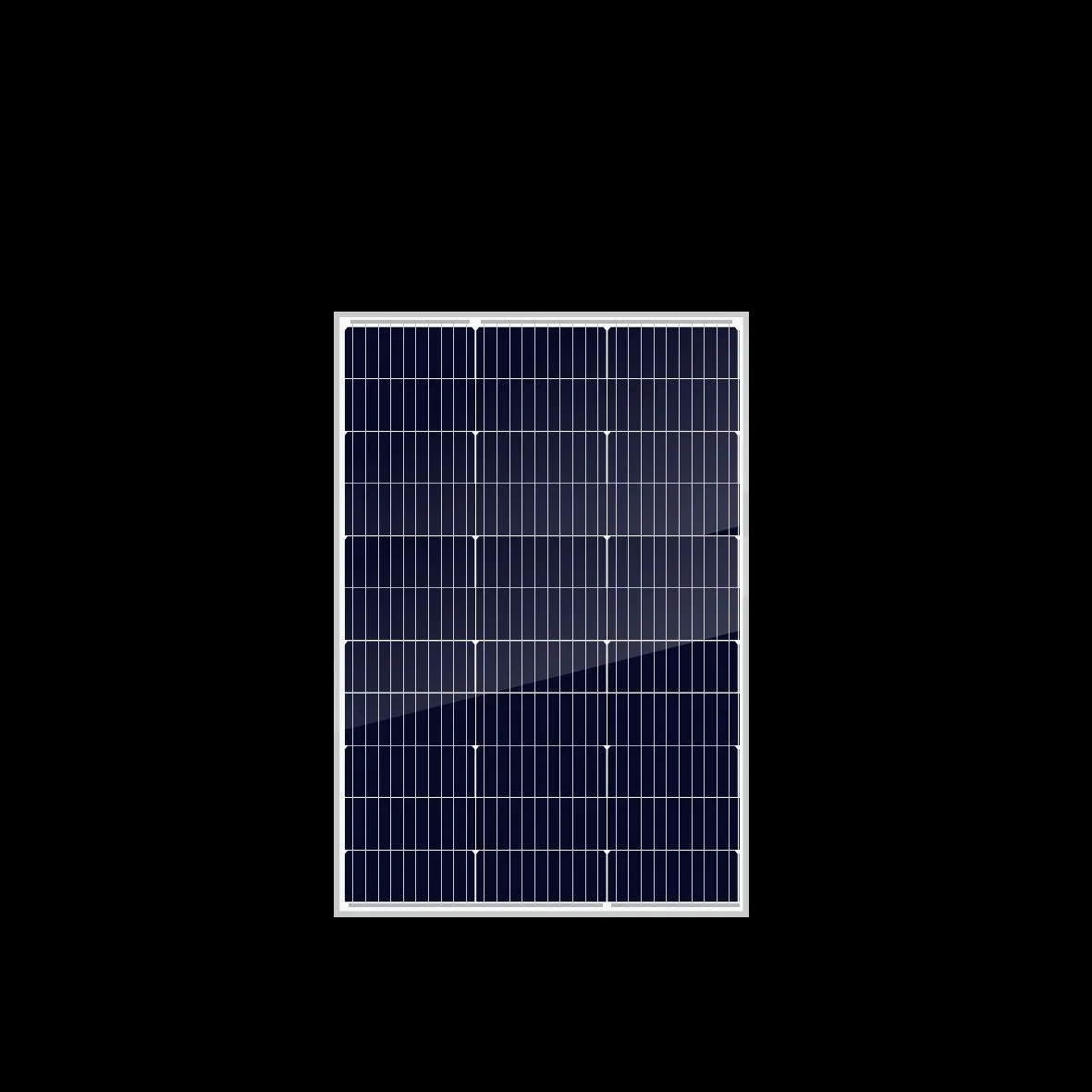
No. The ranges in this guide cover the battery, inverter, and installation only. Solar panels add a separate cost per watt, and a battery retrofit to an existing array is often cheaper than a combined new PV-plus-storage project because the roof, mounting, and interconnection are already in place.
If you are buying both at once, ask for a single itemised quote so you can see what the storage portion actually costs.
🛒 Related DLXN Products: DLXN-F2200 5.12kWh LiFePO4 Battery | DLXN-F5200 10.24kWh Battery | DLXN-F5400 20.48kWh Battery | All Lithium Batteries →
Related products
In-stock models that match this article — specs and RFQ on each page.