Nigeria is not a market where you sell a standard grid-tied kit and let the customer figure it out. The grid is unreliable enough that most commercial sites already run generators, which means the solar system has to work alongside a diesel or petrol set rather than replace it. Modules get specified for hybrid duty, not pure grid-tie.
Below is what actually shapes a Nigeria project: the grid situation, the conformity process, the port, and which products make sense.
The grid decides the architecture
Two realities drive design. First, outages are frequent and sometimes long, so anything critical needs battery backup or a generator. Second, voltage and frequency fluctuate widely, which is hard on grid-tied inverters that expect clean power.
What this means in practice:
- Hybrid inverter, not grid-tie. The system must be able to run islanded, take generator input, and synchronise back when the grid returns.
- Generator integration is a requirement, not an option. Two-wire start, load prioritisation and generator-friendly charging modes should be specified from the beginning.
- Generator sizing follows the load, and the battery buffers it. A generator running below roughly 30–40% of rated load for long periods will coke up. The battery absorbs the surplus and lets the set shut down.
- Surge capacity matters more than average load. Water pumps, compressors, welding sets and cold rooms all have start currents several times their rated draw.
Time between grid failures is short in commercial areas, so the transfer time matters: static transfer switches under 20 ms for IT and refrigeration, mechanical transfer (100 ms to a few seconds) is acceptable for lighting and general loads.
Certification: SONCAP is a process, not a certificate
Electrical products entering Nigeria go through SONCAP, the Standards Organisation of Nigeria Conformity Assessment Programme. It is two documents, not one:
- Product Certificate (PC): registers the product and its manufacturer, valid for a period, issued on the basis of test reports from an accredited lab.
- Shipment Certificate (SC): issued per shipment, after inspection of the actual consignment.
Both are needed. A PC without an SC does not clear a container, and an SC cannot be issued for a product without a PC. The inspection is done by a designated conformity assessment body, and the timing has to be booked ahead of shipping, not after the goods reach Apapa.
Two mistakes recur. Using test reports that do not match the exact model being shipped (IEC 61215/61730 reports are per model, and a different module size is a different model). And starting the process after the container is booked, which usually means the ship sails without the SC.
Battery cabinets add IEC 62619 and UN38.3 on top, plus dangerous goods packaging for sea freight.
The port and the paperwork
Import clearance runs on Form M (opened through the bank before shipment) and PAAR (Pre-Arrival Assessment Report, obtained through the importer's bank and customs). Both involve the importer's side, which is why a first-time buyer needs to have these in motion before the supplier books space.
Apapa and Tin Can Island handle most container traffic. Clearance time varies with documentation quality more than with volume, and demurrage accumulates fast. Three things reduce the risk: exact description on the commercial invoice matching the PC, consistent HS codes across invoice and packing list, and a packing list that reflects what is physically in the container rather than what was ordered.
Currency matters too. The naira has been volatile, so quotes are usually in USD with a validity window. Payment structures that work: 30% deposit and balance against a copy of the bill of lading, or an irrevocable LC for larger orders. Open credit terms are rare for new suppliers and should be treated as a warning sign if offered too readily.
What sells, and what does not
The demand is not for utility-scale modules. It is for:
Small and mid-size off-grid modules. Street lighting, security cameras, telecom sites, water pumping, small shops. The 20–650 W range with custom size and voltage, because installations are retrofitted onto existing poles, roofs and frames rather than designed from scratch.
Hybrid inverters with generator input. Single-phase and three-phase, sized to the load list, with a generator start contact.
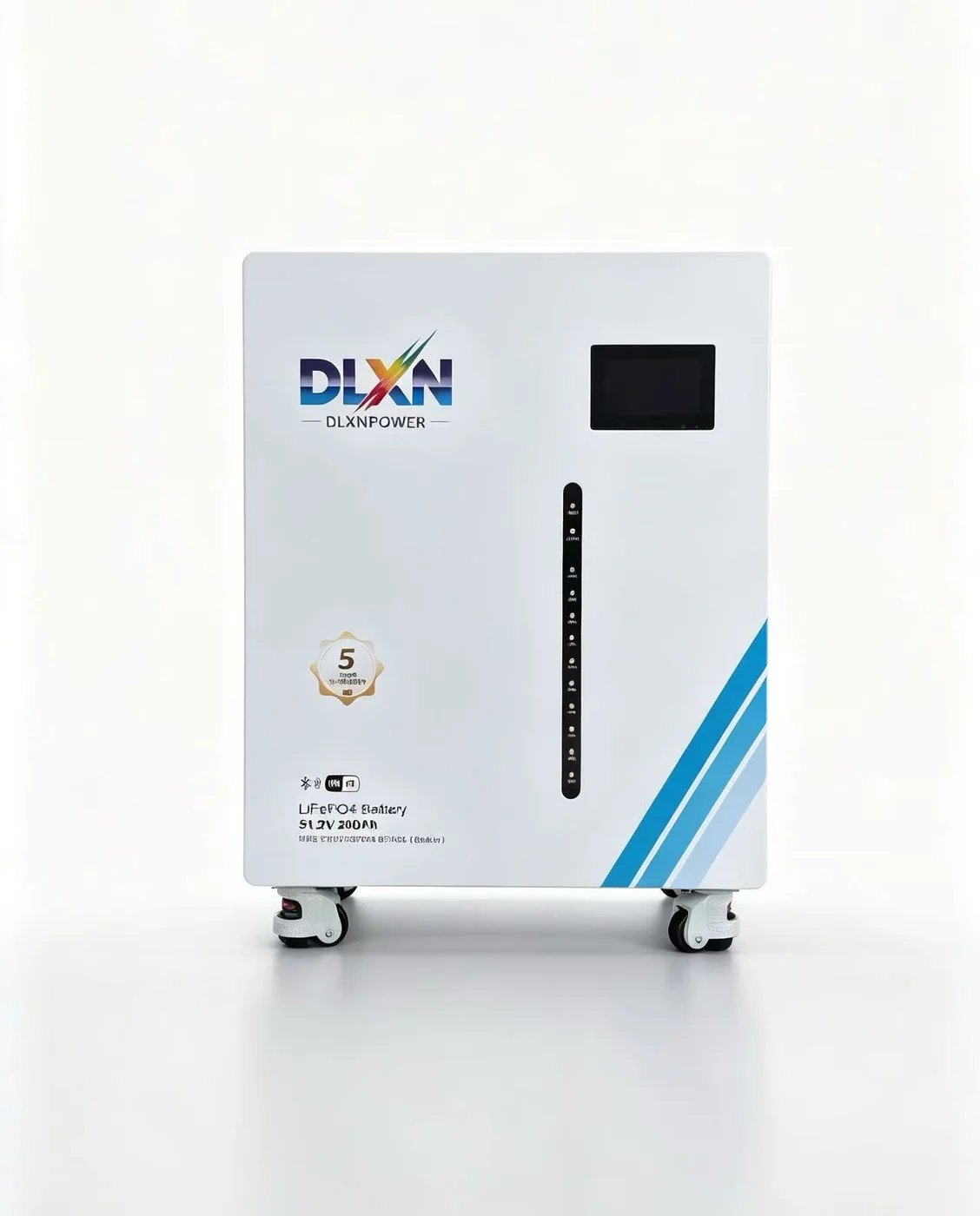
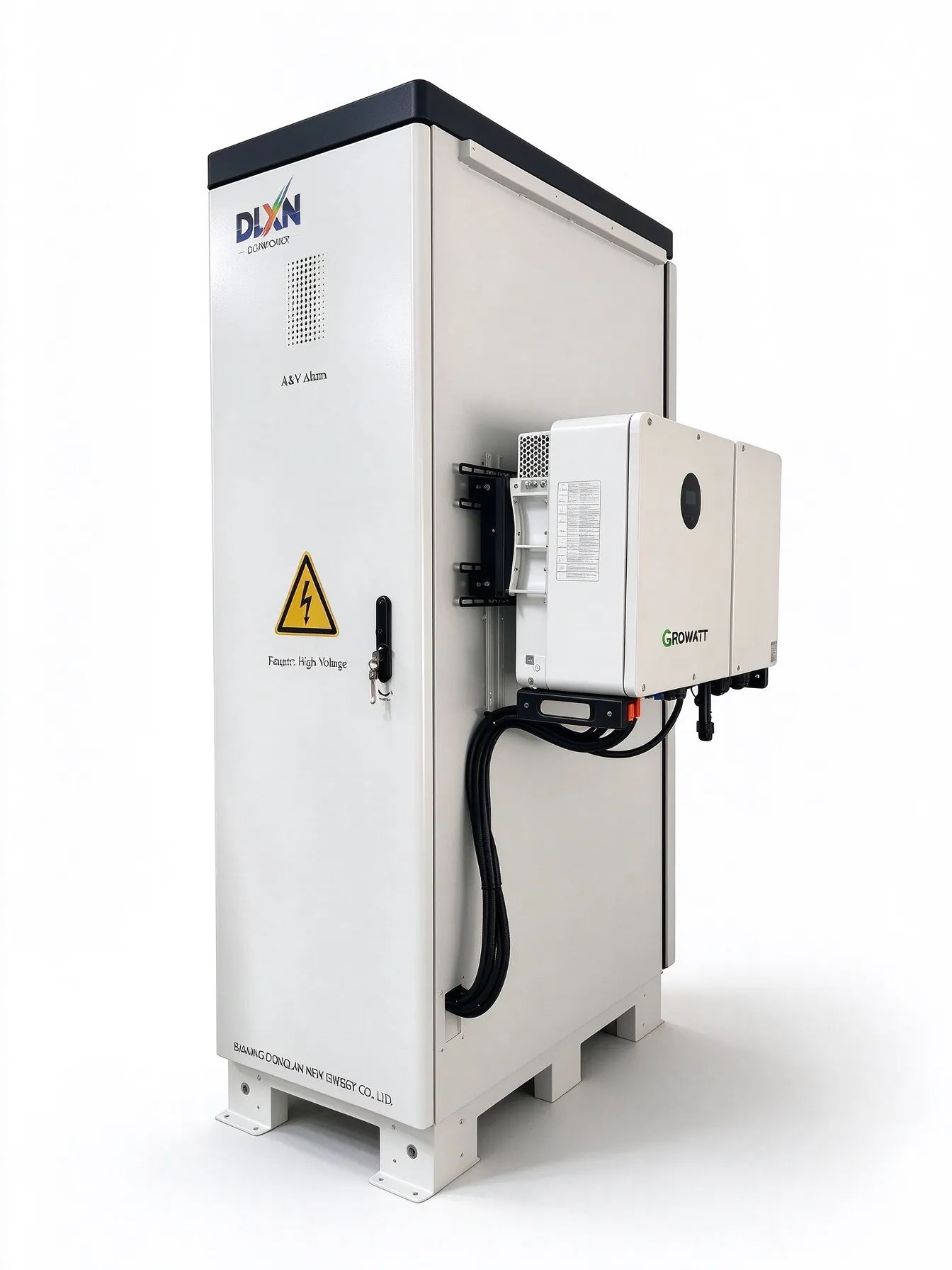
Battery cabinets in the 100–260 kWh class for commercial sites: banks, hotels, cold storage, small factories, telecom hubs. Air-cooled cabinets are common; ambient temperatures above 40°C mean derating has to be in the specification, not discovered after commissioning.
Complete microgrid packages for sites with no grid at all: mine camps, farms, clinics, remote estates. Solar plus storage plus a diesel set, with an EMS that decides which source runs.
What does not sell easily: large-format utility modules (freight and handling make them uneconomic for the volumes involved), and systems requiring bankable tier-one documentation for multilateral financing, where the buyer's lender will insist on named brands.
Installation conditions worth designing for
- Ambient temperature: 35–40°C is normal, with modules reaching much higher cell temperatures. Derate battery output and check inverter thermal margins.
- Humidity and salt: coastal sites (Lagos, Port Harcourt) need C3 or better corrosion protection on enclosures and mounting.
- Dust and Harmattan season: soiling losses are significant; specify cleaning access rather than assuming rain will handle it.
- Lightning: surge protection on both DC and AC sides, plus proper earthing. This is routinely under-specified and causes a large share of inverter failures.
- Theft and vandalism: mounting hardware that resists casual removal, and where possible, elevated or enclosed installation.
Delivery and terms
FOB China for buyers with their own forwarder and customs broker in Lagos. CIF Lagos or Tin Can for those who want the freight handled but do their own clearance. DDP is possible for smaller projects where the buyer has no import entity, but it carries real risk on valuation and clearance, and should be priced with a margin for surprises.
Lead times: standard stock 15–30 days, custom modules 20–30 days, plus two to three months if a new model needs IEC testing before the PC application.
What we do for Nigeria
Donglan ships to more than 40 countries including several in West Africa. For Nigeria the typical package is custom 20–650 W modules, hybrid inverters, and 100–260 kWh cabinets with IEC 62619, UN38.3, CE and MSDS documentation. We can issue a system-level configuration with load calculation, single-line diagram and BOM, and we handle the export side including the test reports your conformity agent will ask for.
What we do not do: utility-scale grid-forming projects and anything requiring UL certification for North America. On those we will tell you to go to a tier-one supplier rather than quote.
Send the load list, the site location and the delivery window, and we will come back with a configuration and a realistic timeline before discussing price.