News & Updates
Latest from DLXN Energy
Solar panel price Cebu: tier-1 modules at PHP 9–14/W in Q4 2026
What a Cebu quote actually covers
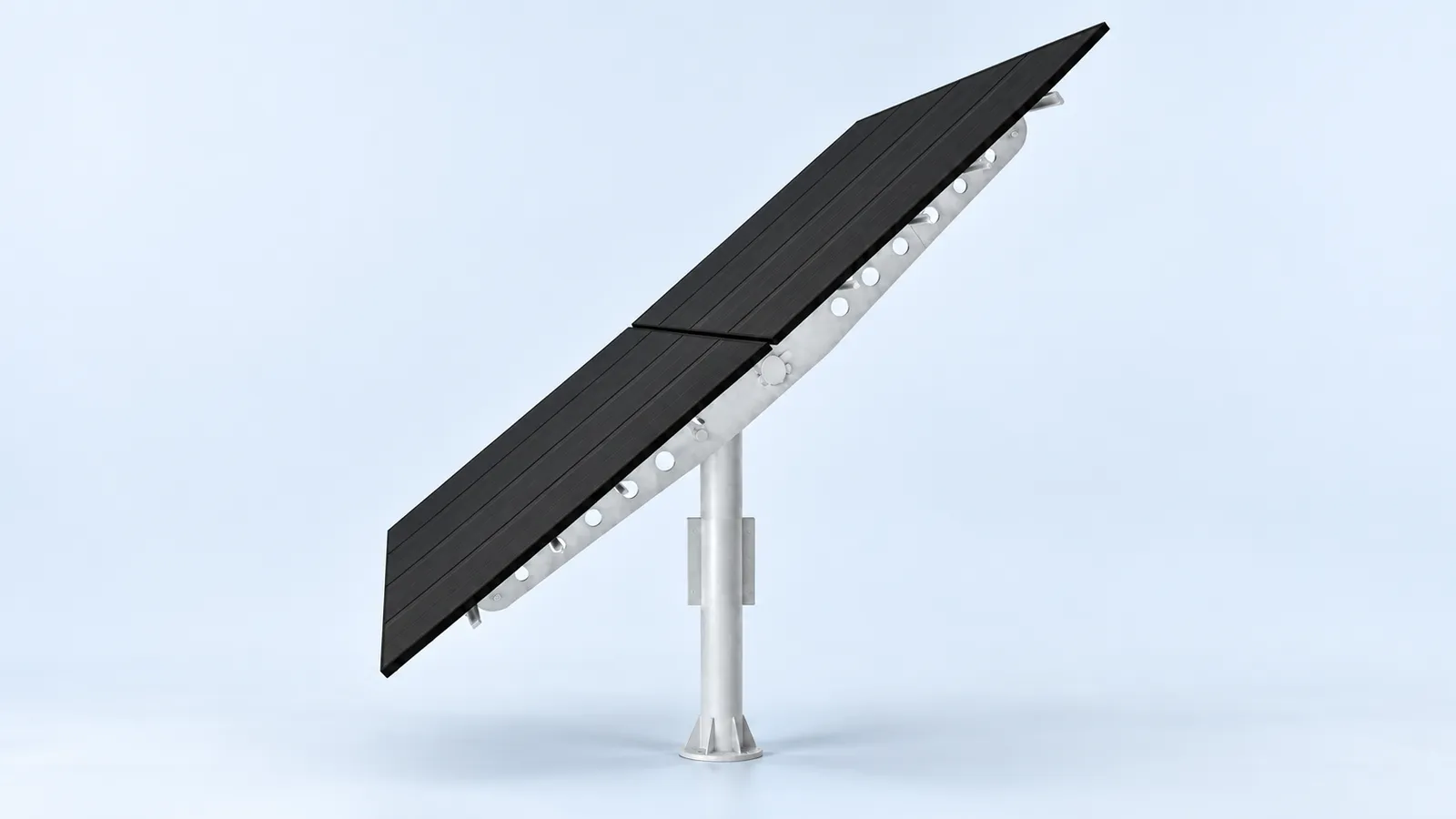
Along M.C. Briones Street in Mandaue, the hardware rows that once sold panels by the piece now quote by the kilowatt. Ask for a solar panel price Cebu quotation in November 2026 and a straight answer splits in two: ~PHP 9–14 per watt for a tier-1 module on its own, and ~PHP 50,000–65,000 per installed kilowatt once the inverter, racking, DC cabling, permits and a licensed electrician are added in. Modules are no longer the expensive line. On a typical 5 kWp grid-tied rooftop in Cebu City, Lapu-Lapu or Talisay, the panels account for roughly a quarter to a third of the turnkey price. The hybrid or string inverter, aluminium rails, DC and AC cabling, breakers, surge protection, labour and the paperwork absorb the rest. Two quotations using the identical panel brand can differ by ~PHP 15,000 per kilowatt purely on inverter class and mounting method — ballasted vs. penetrated roof, GI vs. aluminium. That is why comparing a solar panel price Cebu quote on the module line alone is close to useless. The number that actually matters is pesos per kilowatt-hour delivered over 25 years, and the assumptions buried behind it.
The module line keeps sliding
Global TOPCon module spot prices have sat at ~USD 0.09–0.11/W through the second half of 2026, according to BloombergNEF and InfoLink tracking, with Chinese oversupply still setting the floor. Landed in Manila that translates to roughly PHP 5.5–7/W after freight, the 12% VAT and importer margin — the VAT is zero-rated only for buyers holding a DOE renewable-energy certificate, which a homeowner retailing through a Cebu distributor does not. Modules are no longer the expensive part of a Cebu rooftop; the balance of system is. Cebu adds a logistics step that Metro Manila does not. Most container stock clears Manila and is either trucked via RoRo or shipped into Cebu Port, which puts ~PHP 0.5–1.5/W on small orders. Dealers in Mandaue and along Ouano Avenue typically price in that freight plus a stocking margin, and they charge a visible premium for orders under a pallet. A 10-panel cash purchase is close to the worst place to stand in this market; 5 kWp and up is where the quote gets competitive.
Accreditation and net metering decide the real cost
The distribution utility is the gatekeeper. Visayan Electric (VECO) serves most of Metro Cebu, Mactan Electric covers Mactan Island, and CEBECO I to III handle the provincial towns. Under the ERC's net metering rules, a residential or small-commercial system up to 100 kW may export surplus energy for kWh credits applied against future bills, valued at the utility's blended generation charge — in VECO's franchise area that has been running at roughly PHP 6–7/kWh. Larger systems trigger a distribution impact study, which adds weeks and an engineering fee. Three documents decide whether the meter ever turns backwards: a DOE-accredited installer or renewable-energy practitioner, drawings compliant with the Philippine Electrical Code and stamped by a Professional Electrical Engineer, and the LGU electrical permit plus fire safety clearance. A realistic VECO net metering application in Cebu runs 6–12 weeks when the paperwork is clean. A cheap installer without DOE accreditation is not a discount; it is a delay with a receipt.
Batteries are the new swing factor
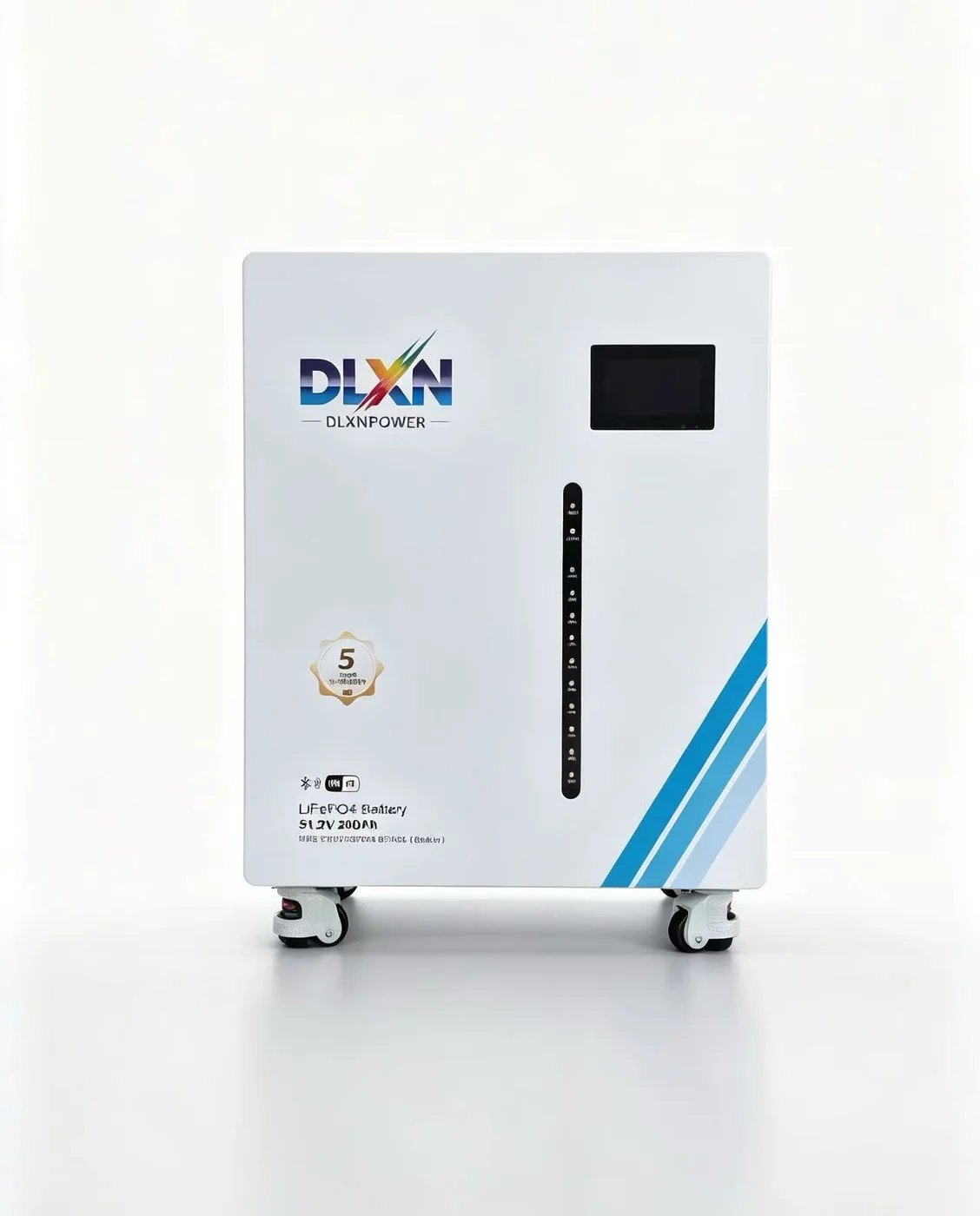
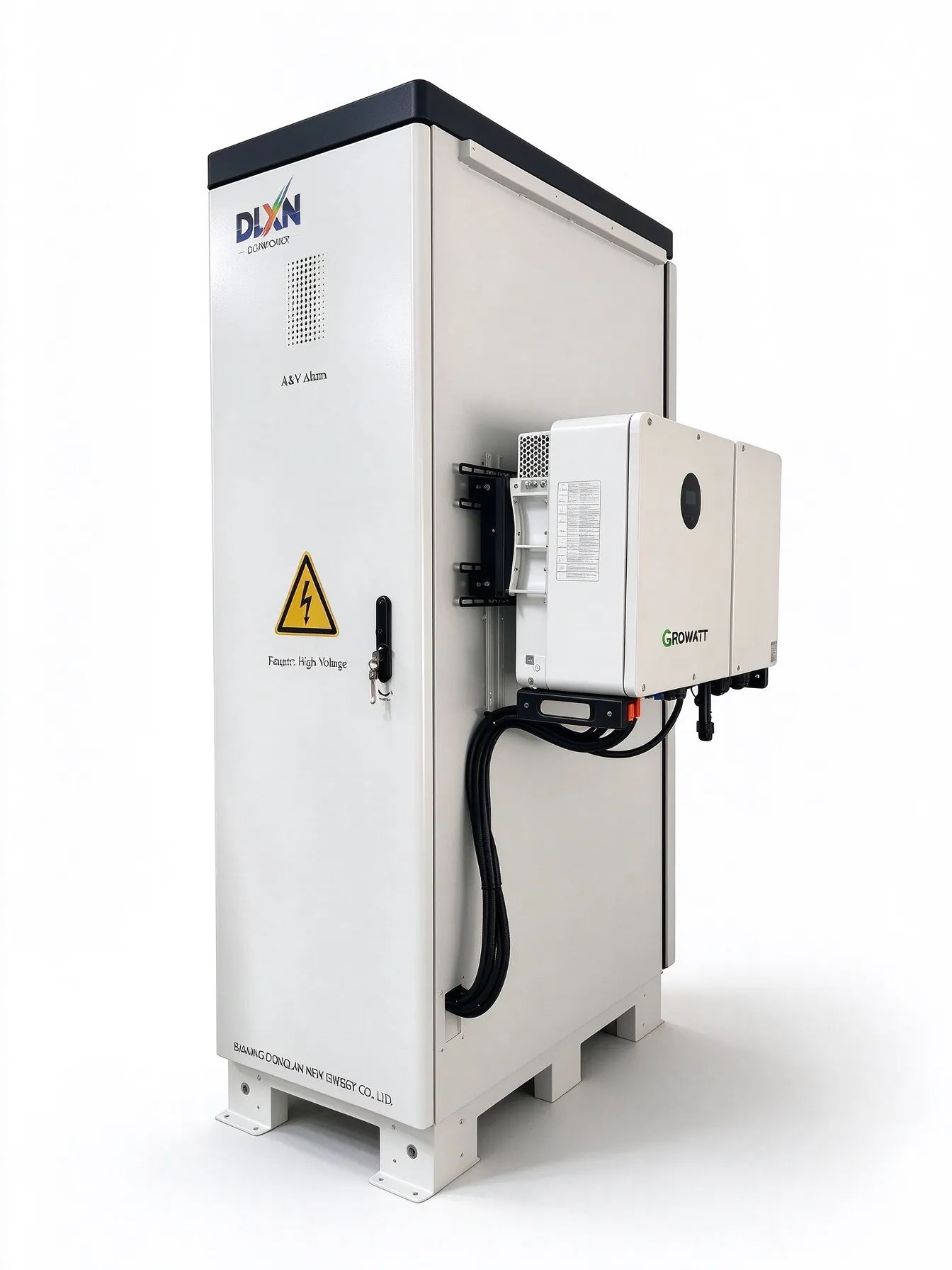
Hybrid quotes are now the default sales pitch in Cebu, largely because grid outages in the province remain a live memory. Installed lithium iron phosphate storage runs ~PHP 14,000–20,000 per kWh for a 5 kWh residential unit, so a 5 kWp hybrid package lands near PHP 85,000–105,000 per kilowatt — 40% to 60% above the grid-tied equivalent. Our LFP battery price index tracks the cell-side decline that is slowly pulling those numbers down, and the residential ESS range shows what the hardware tier looks like. Storage makes sense where outages are frequent or where the export credit is poor. Where neither applies, it is a five-figure convenience purchase dressed up as payback.
What to ask before signing
Insist on the panel datasheet, not the brochure — model number, wattage class, and whether it is tier-1. Ask for the inverter's AC output rating against the array's DC size, because an oversized array on an undersized inverter clips on exactly the bright afternoons Cebu has plenty of. Get the warranty split in writing: 12–15 years product, 25–30 years performance, and who honours it locally. Then ask who files the net metering application and whether their DOE accreditation number appears on the contract. Installing without that paperwork leaves you exporting to VECO for free. Prices are unlikely to move much before Q1 2027. Module costs are flat, the peso remains the main swing risk against the dollar, and freight into Cebu Port is steady. The market price guide carries the running benchmark, and buyers weighing storage against outage exposure can start with our solar-plus-storage notes. For reference installations in the region, the project archive lists completed Cebu and Visayas builds by system size.
Related products
In-stock models that match this article — specs and RFQ on each page.