News & Updates
Latest from DLXN Energy
Solar energy cost vs generator nigeria: the Lagos 2026 maths
Diesel, petrol and the November 2026 benchmark
At a hardware shop on Ojuelegba Road in Lagos last week, a 3.5kVA petrol generator carried a sticker of ~₦620,000, and the drum of diesel behind the counter was going for ~₦1,150 a litre. That is the backdrop for any honest solar energy cost vs generator nigeria comparison in November 2026. Petrol in Lagos has sat at roughly ~₦950-1,050 a litre since the third quarter, depending on whether you buy at a major marketer's pump in Lekki or from a roadside seller in Ajah. Diesel, which keeps the 10kVA and 20kVA sets in Port Harcourt and Abuja alive, has been stickier at ~₦1,100-1,200. Fuel is only part of the bill. A 3.5kVA petrol set under partial load drinks ~1.5-2 litres an hour; at ~₦1,000 a litre, that is ~₦1,600-2,000 for every hour the lights stay on, before oil, plugs and the mechanic's transport fare. Nobody in Kano runs a generator for six hours a day and calls it cheap.
| Item | Indicative EXW price | Basis |
|---|---|---|
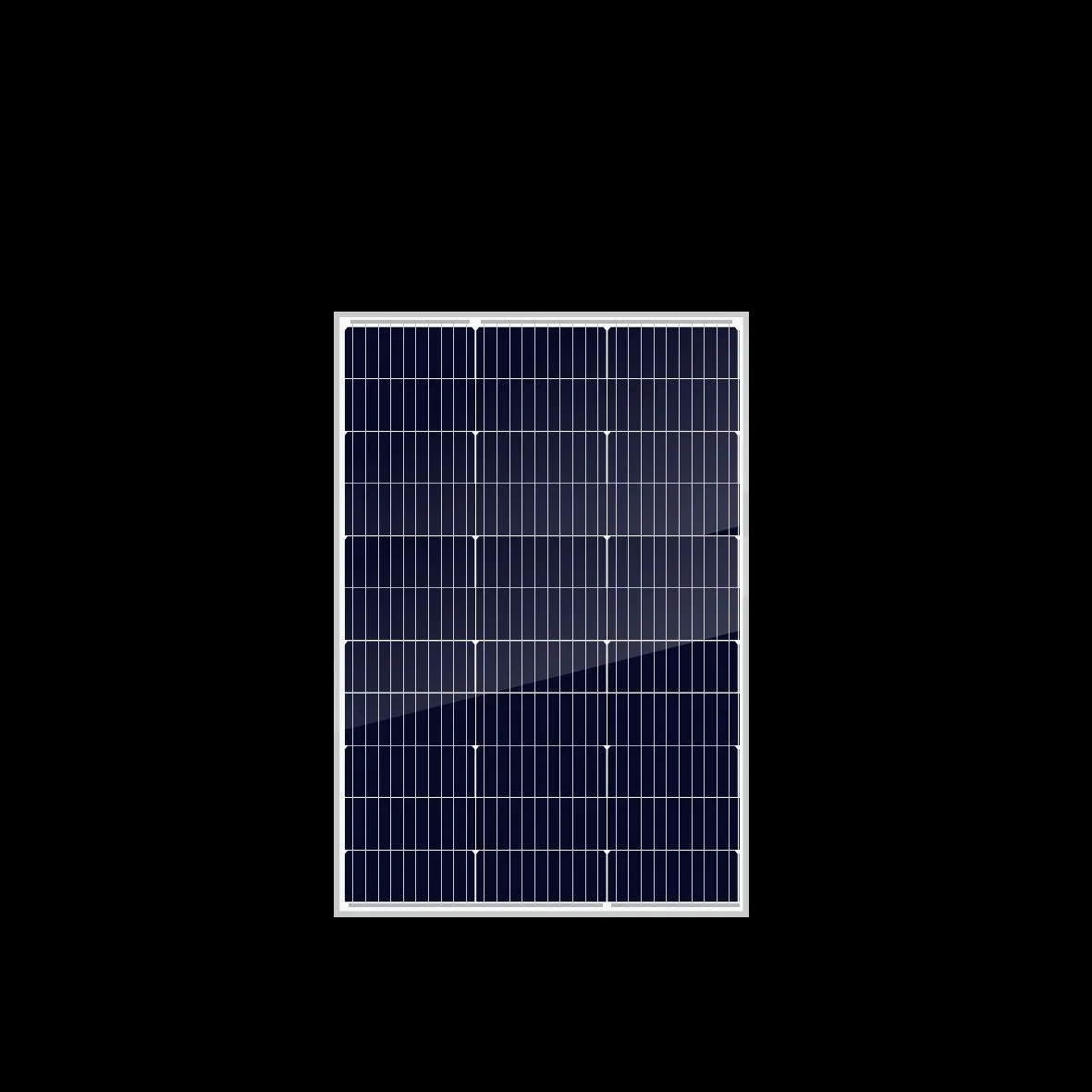
| Solar modules (182 mm mono) | USD 0.17–0.23 / Wp | 20–650 W, one pallet and up |
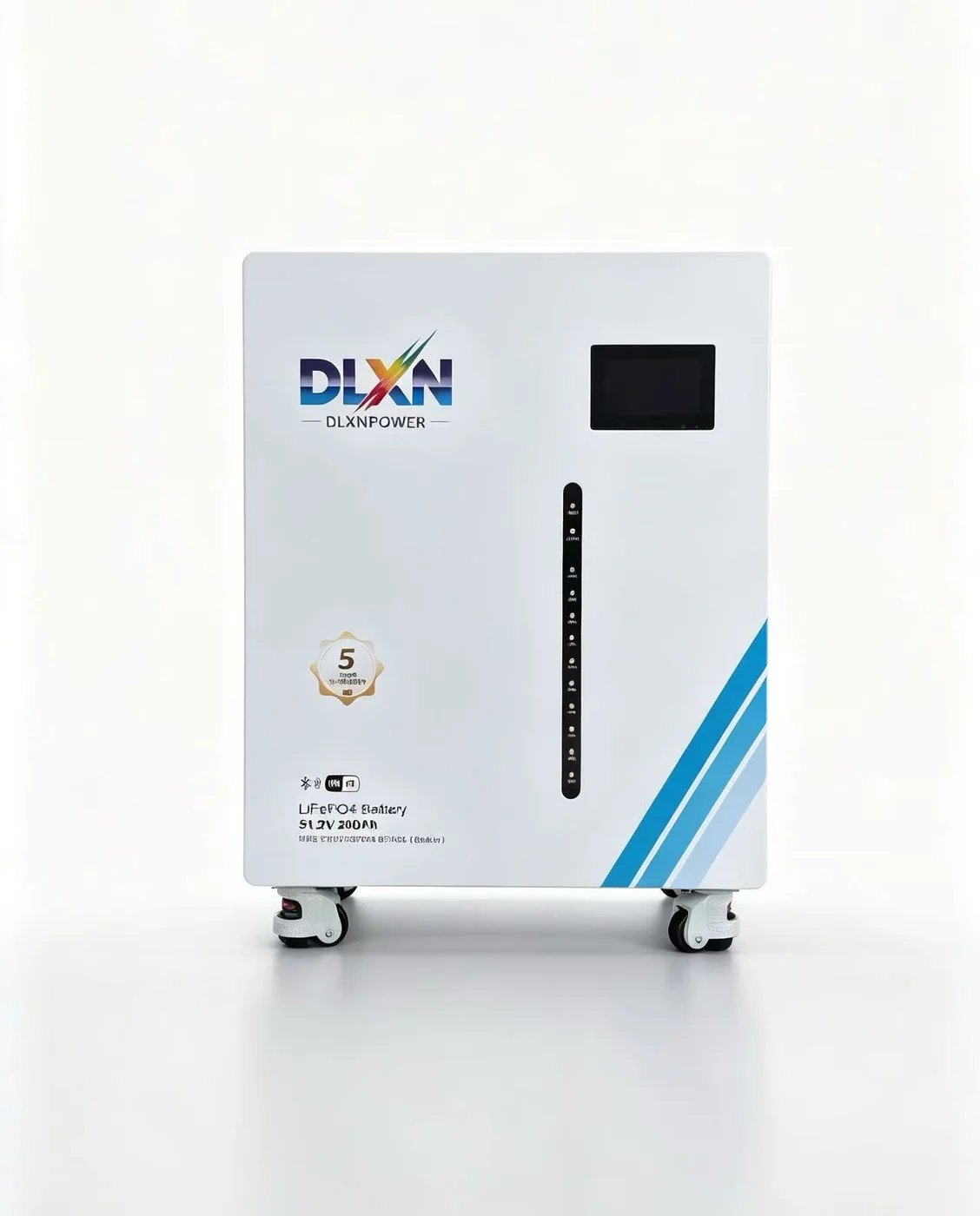
| LiFePO4 home batteries | USD 95–130 / kWh | 5.12–32.15 kWh models |
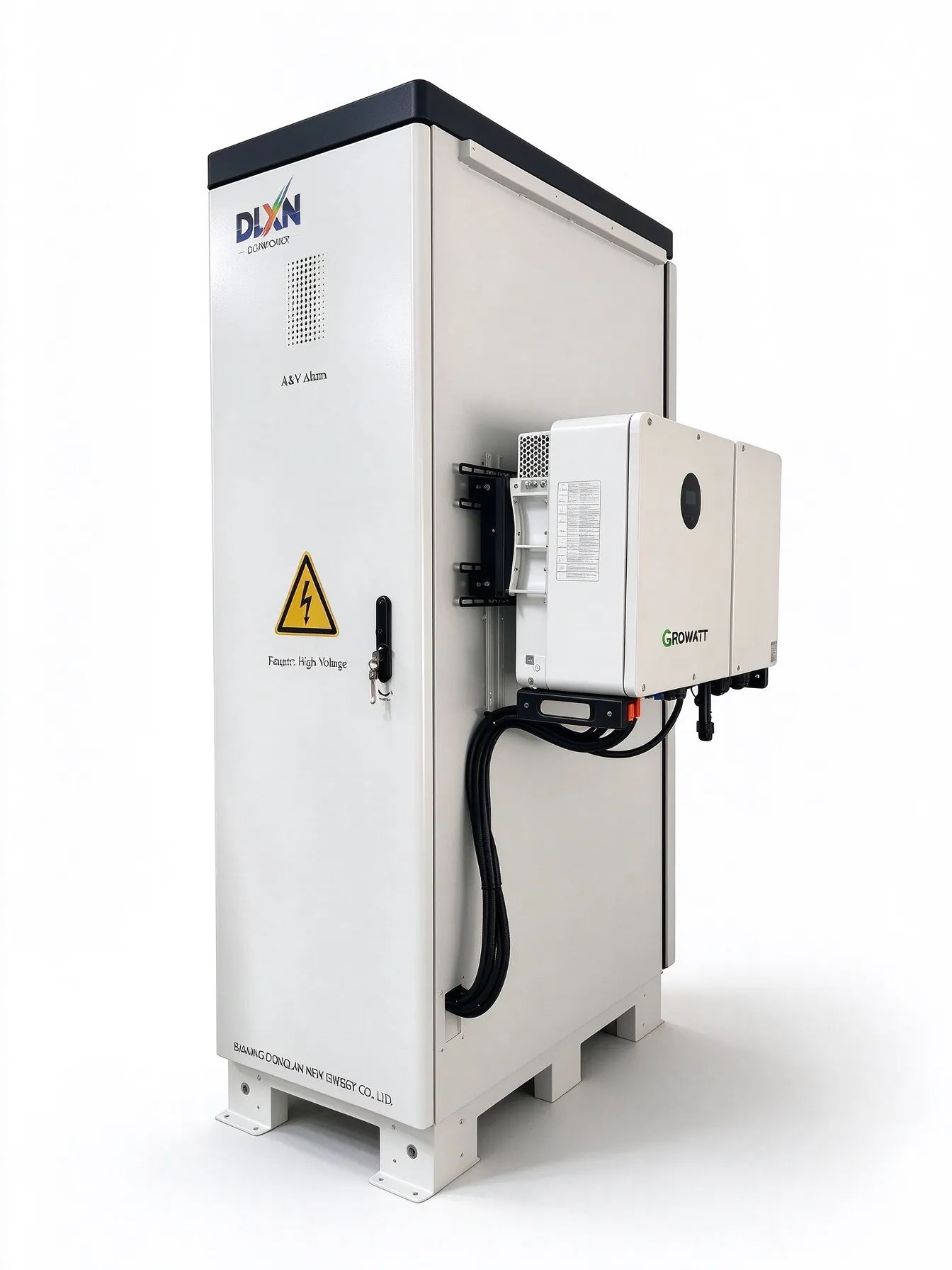
| C&I storage cabinets | USD 110–150 / kWh | 100–261 kWh cabinets |
| Minimum order | One pallet | mixed models on request |
| Lead time | 15–45 days | EXW Baoding, Hebei |
Indicative EXW bands published by DLXN Energy, one pallet and up. A firm price needs a specification, a destination port and a delivery window.
What the solar side actually costs in naira
A typical Lagos residential package in November 2026 — eight 550W tier-one panels, a 5kW hybrid inverter and a 10kWh lithium iron phosphate battery — lands at ~₦4.8-6.2 million installed, depending on brand, mounting and whether the installer is NEMSA-certified. Panels have got cheap: ~₦110,000-140,000 per 550W module at Apapa or Alaba, held there through 2026 as global module prices stayed near record lows. The battery is now the biggest single line item, which is why the LFP battery price index matters more to Nigerian buyers than panel spot prices. BloombergNEF's survey work puts average global pack prices at ~$110/kWh; landed in Lagos with freight, duty, clearing and a naira near ~₦1,500/$, retail runs roughly two to three times that. Hybrid inverters add ~₦450,000-900,000 for 5kW, and rails, DC cable and a changeover switch another ~₦300,000-500,000.
Payback depends on hours, not slogans
Run the arithmetic on a household that keeps a 3kVA set on for six hours a day. Fuel alone is ~₦300,000-360,000 a month, plus ~₦80,000-120,000 a year in servicing. Against a ~₦5.5 million solar-plus-storage package, simple payback is ~15-18 months if that fuel spend genuinely disappears — the case for most Lagos homes in Band A areas running air conditioners at night, and the reason the solar energy cost vs generator nigeria question has shifted from "whether" to "how much kit". It is far less dramatic for a two-hour-a-day user: at ~₦100,000 monthly fuel, the same system takes four to five years to break even. Battery life is where optimistic quotes fall apart. LFP cells rated at 6,000 cycles at 80% depth of discharge give a Lagos household ~10-12 years of nightly cycling, not the 20 years some installers still promise in Abuja.
Where the generator still wins in Nigeria
Three things still favour the set. Capital cost: ~₦620,000 against ~₦5.5 million is a gap no fuel saving closes for a household running a generator two hours a week. Surge loads: an arc welder in Port Harcourt or a 1.5HP borehole pump will trip a 5kW hybrid inverter sized on paper. And the rains: Lagos in July and September can deliver three or four consecutive days of heavy cloud, when a 5kWp array might produce 6-8 kWh a day instead of 20. That is why credible quotes now size storage for two days of critical load, and why small inverter generators stay in the spec for many residential ESS jobs.
SONCAP, NEMSA and the paperwork premium
Import paperwork is a real cost line in the solar energy cost vs generator nigeria calculation, and buyers rarely see it. SONCAP certification for panels, inverters and lithium batteries adds clearing time and, in practice, ~5-12% to landed cost when handled properly; plenty of containers at Apapa still clear without it, which is exactly why warranty claims fail two years later. NEMSA certifies installation work and meters, and a certified installer in Abuja charges more for the part of the job most likely to burn your house down. NERC's tariff bands decide the other half: a Band A feeder with 20-plus hours of supply makes storage optional, while a Band C or D area makes the battery the whole point. The market price guide tracks these landed figures monthly for Lagos, Abuja, Port Harcourt and Kano, because the spread between cities is often wider than the spread between brands.
Reading the numbers correctly
Two mistakes keep arriving in quotes sent to this desk. The first is comparing a solar package's capital cost with a generator's capital cost and stopping there, ignoring fuel, servicing and the ~₦150,000-250,000 a year Nigerians spend on repairs and transport to the repairer. The second is sizing an array on nameplate rather than yield: a 5kWp system in Lagos delivers ~6,500-7,500 kWh a year at realistic derating, not 5kW multiplied by 8,760 hours. Compare naira per delivered kWh. Spec sheets for solar panels and lithium batteries are the place to start, then get a quote that states the assumed daily load in kWh.
References: BloombergNEF clean energy research; NERC (Nigeria)
Sources and primary references
Duty, grid-connection and price-benchmark statements in this article follow the primary sources below. Our own figures are EXW China ranges and are not substituted by external prices.
- NERC — mini-grid and embedded generation rules referenced in this article
- SON — SONCAP — SONCAP conformity assessment that adds cost at the port
- CBN — official exchange rates — the NGN/USD rate behind every naira figure quoted here
- BloombergNEF — module, cell and battery pack price benchmarks quoted in this article
- InfoLink Consulting — weekly spot prices for TOPCon / PERC modules and LFP cells
What we quote on this product line into Nigeria
Indicative EXW China ranges on the same basis as our product pages; the retail prices in this market are covered in the article.
| Product line | Range | Indicative EXW | Details |
|---|---|---|---|
| Solar modules | 20–650 W, 182 mm / 18 V | USD 0.17–0.23 /Wp | Spec page → |
| Home batteries | 5.12–16.08 kWh, 51.2 V LiFePO4 | USD 95–130 /kWh | Spec page → |
| Residential ESS kits | 3.2–10 kW panel + battery | quoted per configuration | Spec page → |
| C&I cabinets | 100 / 120 / 241 / 261 kWh | USD 110–150 /kWh | Spec page → |
| Solar carport | 6.5 kWp with EV charging | USD 1,200–1,700 /kWp | Spec page → |
Minimum order one pallet; lead time 15–45 days on stock configurations (sea freight to destination quoted separately). These are indicative EXW China ranges, not an offer — final price depends on wattage, quantity, configuration and destination port.
Related products
In-stock models that match this article — specs and RFQ on each page.