News & Updates
Latest from DLXN Energy
Tubular battery vs lithium battery Nigeria: 2026 cost reality
What Lagos dealers quote in November 2026
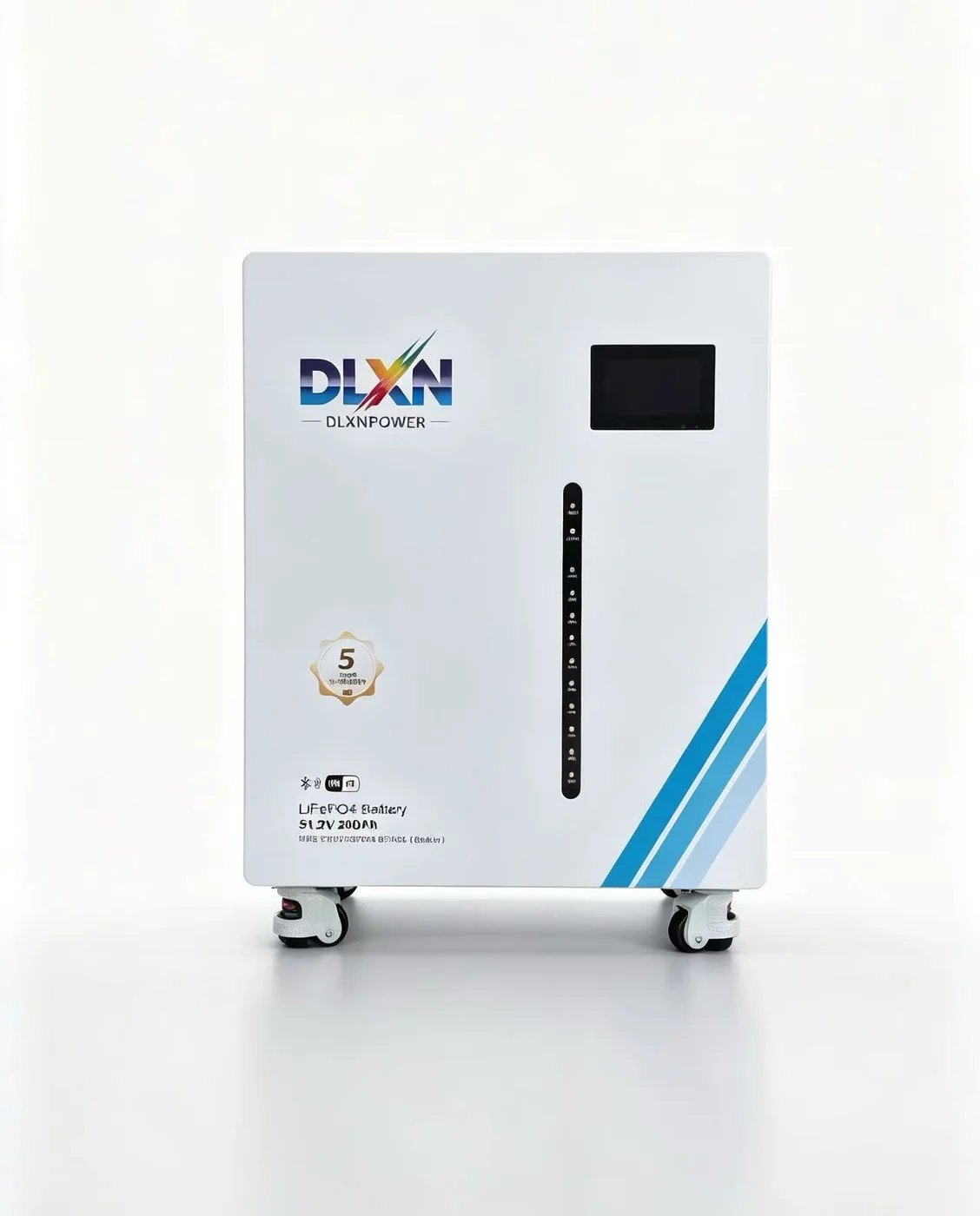
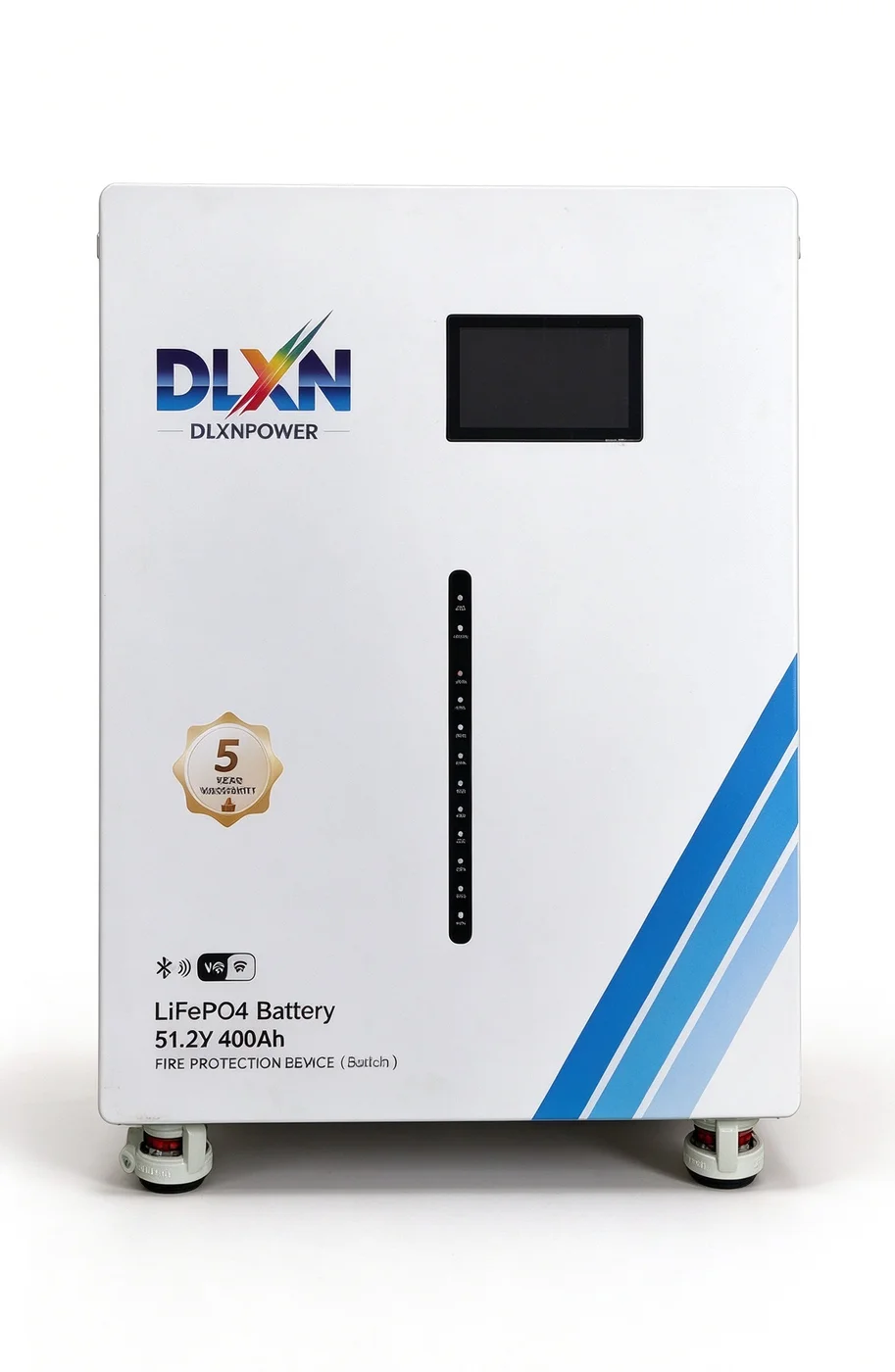
The tubular battery vs lithium battery Nigeria question now starts with a calculator at Ojo market in Lagos, where dealers this month are quoting rather than arguing. A 220Ah/12V tubular unit—2.64 kWh nominal, ~1.3 kWh usable at 50% depth of discharge—is moving at ~NGN 600,000–850,000 depending on brand, plates and warranty. A 51.2V 100Ah LiFePO4 rack battery, ~5.1 kWh nominal and ~4.1 kWh usable at 80% DoD, is quoted at ~NGN 2.0m–2.8m. Neither price includes a compatible inverter, cables or installation. market price guide The upfront gap is stark: the tubular unit costs roughly one-third as much in cash. But that is not the comparison a Lagos household should make. The useful comparison is NGN per usable kWh per cycle, then NGN per warranted year. Dealers who sell both chemistries in Ikeja and Abuja say the lithium buyer is usually someone who has already replaced two tubular banks in five years, not a first-time buyer chasing a label.
| Item | Indicative EXW price | Basis |
|---|---|---|
| LiFePO4 home batteries | USD 95–130 / kWh | 5.12–32.15 kWh models |
| Minimum order | One pallet | mixed models on request |
| Lead time | 15–45 days | EXW Baoding, Hebei |
Indicative EXW bands published by DLXN Energy, one pallet and up. A firm price needs a specification, a destination port and a delivery window.
The cycle-life math that changes the answer
The tubular battery vs lithium battery Nigeria calculation changes sharply once you use depth of discharge and cycle life. A good tubular battery might deliver ~1,200–1,500 cycles at 50% DoD if watered, ventilated and not over-discharged. A branded LiFePO4 pack is typically warranted for ~4,000–6,000 cycles at 80% DoD, though the warranty fine print often caps years and throughput separately. Run the Lagos quotes above. The tubular bank gives ~1,584 lifetime usable kWh (1.3 kWh × 1,200 cycles) for ~NGN 650,000, or ~NGN 410 per lifetime kWh. The lithium pack gives ~16,400 lifetime usable kWh (4.1 kWh × 4,000 cycles) for ~NGN 2.4m, or ~NGN 146 per lifetime kWh. That is a ~2.8× advantage for lithium before you count replacement labour, diesel for recharging, or the cost of a failed inverter. Use your own quotes, not these, because the result is sensitive to price and DoD. If the lithium pack costs NGN 3.2m and only reaches 3,000 cycles, its lifetime cost rises to ~NGN 260/kWh; if the tubular bank is abused and dies at 700 cycles, its lifetime cost jumps to ~NGN 714/kWh. The direction rarely flips, but the size of the gap does. BloombergNEF's latest pack survey puts average lithium-ion pack prices near US$115/kWh before freight, duty and FX; landed Lagos costs are higher. NREL's storage cost work makes a similar point: upfront US$/kWh is a poor proxy for lifetime cost because duty cycles and augmentation differ. For Nigeria, add unreliable grid charging, generator hours and the risk of a pack sitting at high state of charge in 35°C heat.
Heat, maintenance and the daily user
Port Harcourt and Lagos users tend to notice the maintenance difference before the cycle-life difference. Tubular batteries need water checks, terminal cleaning and ventilation. One missed top-up in a hot utility room can kill a bank. Lithium packs need less routine work, but they are not maintenance-free: the BMS, fuse, breaker and inverter charge profile must be right, and the pack needs airflow. In Abuja, the most common lithium failure dealers describe is not cell chemistry but a cheap inverter left on a lead-acid charging profile. If you are specifying a lithium battery, ask for the continuous charge and discharge limits at 40°C, not just the 25°C datasheet number. Ask whether the BMS can communicate with the inverter or at least trip cleanly on over-temperature. In Kano, where daytime ambient can sit above 40°C in the dry season, a pack with no thermal path and a sealed cabinet is a warranty argument waiting to happen. Tubular banks tolerate heat badly too, but their failure is visible: low electrolyte, white sulphate, hot terminals.
SONCAP, NERC and NEMSA: paperwork that decides warranty
For the tubular battery vs lithium battery Nigeria buyer, paperwork often matters more than the brochure. SONCAP is the import conformity gate; a lithium pack or tubular battery without a valid SONCAP certificate can be a customs problem and a warranty dead end. NEMSA certification matters for electrical equipment and installation practice; NERC permits matter if you are selling power rather than storing it behind your own meter. Ask for certificate numbers, not photographs of stickers. This matters in Lagos because a growing number of "lithium upgrades" are assembled from used cells and unbranded BMS boards. A quote in November 2026 that is 30% below the market usually carries no meaningful warranty. For commercial buyers in Kano or Abuja, the risk is bigger: a failed 20 kWh pack can stop a clinic or cold room, not just a living room. The residential ESS route is safer when the pack, inverter and BMS are specified as one system, but only if the installer commissions it to the manufacturer's voltage and temperature settings.
What to specify before you pay
Start with the load, not the chemistry. A 3.5 kWh nightly load in Lagos with a 5 kVA inverter is a different brief from a 20 kWh clinic in Kano. Ask for usable kWh at the DoD the warranty allows, the cycle count at that DoD, the BMS cut-off temperatures and the inverter's charge profile. For a hybrid system, the solar battery storage design should show PV array, battery and generator as one energy balance, not three separate quotes. Then compare warranties in NGN, not years. A 10-year lithium warranty that requires shipping the pack back to China is not the same as a 5-year local replacement warranty. Tubular warranties often exclude sulphation and water damage, which are the two failures Nigerian heat and humidity produce. Get the seller's contact details, the SONCAP certificate number and a commissioning report before final payment.
References: BloombergNEF clean energy research; NERC (Nigeria)
Sources and primary references
Duty, grid-connection and price-benchmark statements in this article follow the primary sources below. Our own figures are EXW China ranges and are not substituted by external prices.
- NERC — mini-grid and embedded generation rules referenced in this article
- SON — SONCAP — SONCAP conformity assessment that adds cost at the port
- CBN — official exchange rates — the NGN/USD rate behind every naira figure quoted here
- BloombergNEF — module, cell and battery pack price benchmarks quoted in this article
- InfoLink Consulting — weekly spot prices for TOPCon / PERC modules and LFP cells
What we quote on this product line into Nigeria
Indicative EXW China ranges on the same basis as our product pages; the retail prices in this market are covered in the article.
| Product line | Range | Indicative EXW | Details |
|---|---|---|---|
| Solar modules | 20–650 W, 182 mm / 18 V | USD 0.17–0.23 /Wp | Spec page → |
| Home batteries | 5.12–16.08 kWh, 51.2 V LiFePO4 | USD 95–130 /kWh | Spec page → |
| Residential ESS kits | 3.2–10 kW panel + battery | quoted per configuration | Spec page → |
| C&I cabinets | 100 / 120 / 241 / 261 kWh | USD 110–150 /kWh | Spec page → |
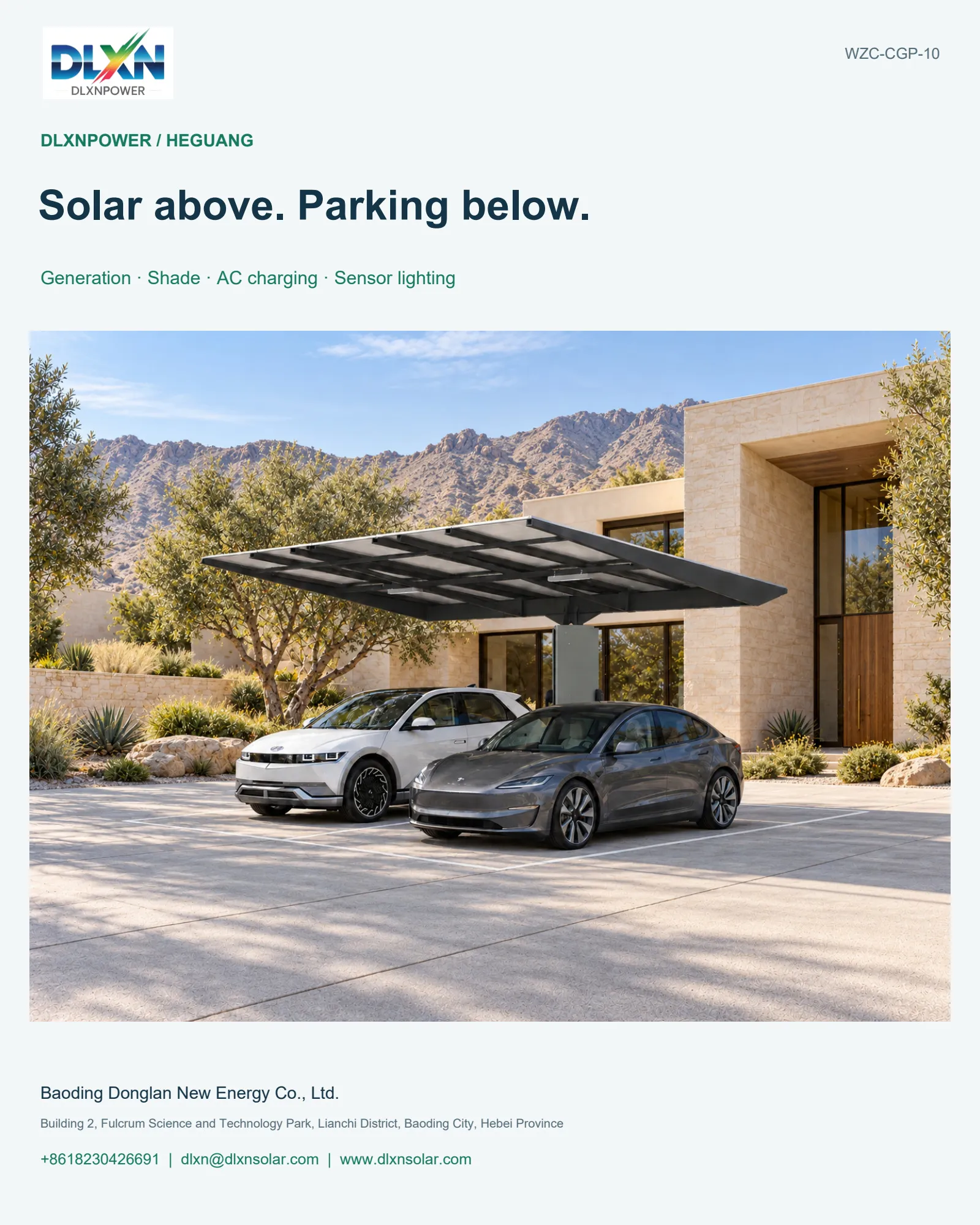
| Solar carport | 6.5 kWp with EV charging | USD 1,200–1,700 /kWp | Spec page → |
Minimum order one pallet; lead time 15–45 days on stock configurations (sea freight to destination quoted separately). These are indicative EXW China ranges, not an offer — final price depends on wattage, quantity, configuration and destination port.
Related products
In-stock models that match this article — specs and RFQ on each page.