News & Updates
Latest from DLXN Energy
ECG net metering solar Ghana faces a tariff test in Accra
Accra rooftops meet the paperwork
At a cold-store warehouse off the Spintex Road in Accra, the roof is already carrying more solar than the site can use at midday. ECG net metering solar Ghana is supposed to turn that surplus into credits, but the owner is still waiting on a bi-directional meter and a tariff ruling that will decide what those credits are worth. Net metering is not a subsidy. Under PURC's rules, an eligible customer installs generation behind the meter, exports surplus to ECG's low-voltage network, and receives an energy credit against later consumption. The meter must be capable of measuring flows in both directions; the inverter must trip when the grid disappears. ECG's application pack asks for a single-line diagram, equipment certificates and a completed inspection before the meter exchange. That sequence, not the panel price, is where most Accra projects lose time. The credit is only as good as the tariff it offsets.
What ECG actually approves
ECG's net-metering queue is administratively separate from a standard service connection, and applicants often confuse the two. A 10 kWp commercial solar system in Accra may need ~8–16 weeks from submission to meter exchange, based on installer estimates in Q4 2026; residential applications are smaller but not necessarily faster. The utility's engineers check protection settings, earthing and the point of common coupling. A rooftop that looks clean on a proposal can still fail because the existing distribution board has no spare way for the generation circuit. For commercial customers, the paperwork also exposes a common mismatch: a rooftop sized to the building's daytime load is easier to approve than one sized to export. ECG's forms distinguish between self-consumption and export, and a project that leans heavily on export credits needs a stronger justification. The Energy Commission's licensing threshold can also apply to larger installations, so a 50 kWp factory roof is not simply a bigger version of a 5 kWp home system. Approval is not a feed-in tariff, and the distinction matters in Ghana. A feed-in tariff pays a published price for every exported kilowatt-hour; net metering nets exports against imports over a billing period. If ECG credits exports at the retail rate, the value is straightforward. If PURC moves toward an avoided-cost credit, the value falls. That is the central regulatory risk for any Accra or Kumasi commercial rooftop in 2026, and it is why financiers now ask for a tariff sensitivity before they sign off on a five-year lease.
The tariff arithmetic in cedis
Take a 10 kWp grid-tied system in Accra with no battery. At a yield of ~1,300 kWh per kWp per year, it might generate ~13,000 kWh annually, or ~1,100 kWh in a strong month. A commercial customer paying ~GHS 2.00–2.50/kWh could offset ~GHS 2,200–2,750 of monthly consumption if the credits are settled at the retail rate. Installers are quoting ~GHS 95,000–140,000 for that package, depending on mounting, cabling and inverter choice. The simple payback lands in the ~4–7 year range before maintenance, which is attractive only if the credit rate holds and the roof load is real. Our market price guide tracks how cedi depreciation changes that arithmetic. BloombergNEF's 2025 PV outlook put global module prices at ~USD 0.09–0.12/W, but landed prices in Ghana include freight, duties, G-CAP conformity costs and distributor margin. The module is rarely the largest line item in a commercial quote. Switchgear, mounting and labour often matter more, and a battery can double the capital cost. That is why the economics of ECG net metering solar Ghana depend less on panel prices than on the tariff credit and the load profile.
Equipment rules: GSA, G-CAP and the battery question
Ghana Standards Authority oversight is not a formality. G-CAP, the Ghana Conformity Assessment Programme, requires regulated products to carry a certificate of conformity before shipment or clearance; solar panels, inverters and lithium batteries are all in scope. A cheap container of modules without the right certificate can sit at Tema while the project schedule slips. Buyers comparing solar panels and lithium batteries should ask for the certificate number before they compare watts per cedi, and they should match the model on the certificate to the model on the invoice. Battery storage changes the net-metering case, but not always for the better. A grid-tied system without a battery maximises export and minimises cost; a battery shifts solar into the evening and protects the site from outages. In Accra, where grid interruptions remain a boardroom issue, the resilience value can justify a residential ESS or commercial cabinet even when the net-metering credit is modest. The mistake is double-counting: a battery that stores surplus cannot also export that same kilowatt-hour. The Energy Commission's role sits upstream of ECG's meter. Licensing, registration and technical standards for renewable energy installations are separate from the utility's interconnection review, and a project can be technically sound yet administratively incomplete. For developers, the practical lesson from 2025–2026 is to sequence approvals: GSA/G-CAP certificates first, Energy Commission registration where required, then ECG's interconnection application, then the meter. Skipping a step rarely saves time; it usually adds a second site visit.
Kumasi, Takoradi and Tamale: where the model bends
Geography changes the answer. Kumasi's commercial rooftops face the same ECG process as Accra, but the load profile is often more industrial and more predictable. Takoradi's port and logistics sites can absorb daytime solar directly, which reduces reliance on export credits. Tamale is the outlier: much of the north is served by NEDCo, not ECG, so an ECG net metering solar Ghana application is the wrong starting point. The rules may be national, but the distribution utility is local. PURC's tariff decisions apply across the country, yet the value of a credit depends on the customer class and the time of use. A school in Tamale with a midday load and a factory in Takoradi running two shifts do not see the same payback from identical arrays. The IEA's 2025 Africa Energy Outlook notes that distributed solar in West Africa is still small relative to centralised generation, which means net-metering data in Ghana remains thin. Installers should publish measured export profiles, not just panel wattage. For now, the meter is the boundary between a solar array and a bankable asset.
Sources and primary references
Duty, grid-connection and price-benchmark statements in this article follow the primary sources below. Our own figures are EXW China ranges and are not substituted by external prices.
- PURC — regulated tariffs and the net-metering framework
- Energy Commission — renewable energy licensing and local content requirements
- GRA — customs and VAT — duty and VAT on imported modules and batteries
- BloombergNEF — module, cell and battery pack price benchmarks quoted in this article
- InfoLink Consulting — weekly spot prices for TOPCon / PERC modules and LFP cells
What we quote on this product line into Ghana
Indicative EXW China ranges on the same basis as our product pages; the retail prices in this market are covered in the article.
| Product line | Range | Indicative EXW | Details |
|---|---|---|---|
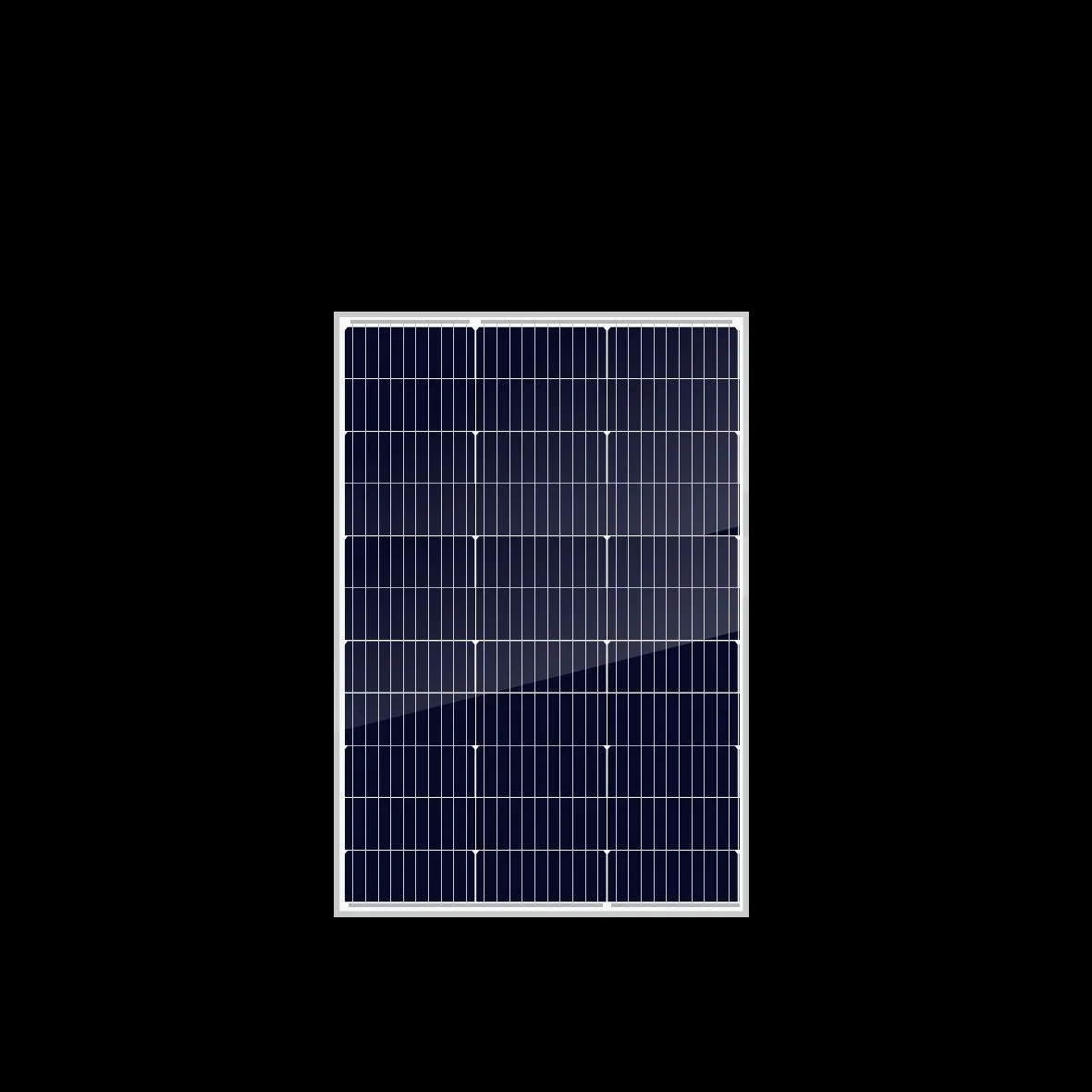
| Solar modules | 20–650 W, 182 mm / 18 V | USD 0.17–0.23 /Wp | Spec page → |
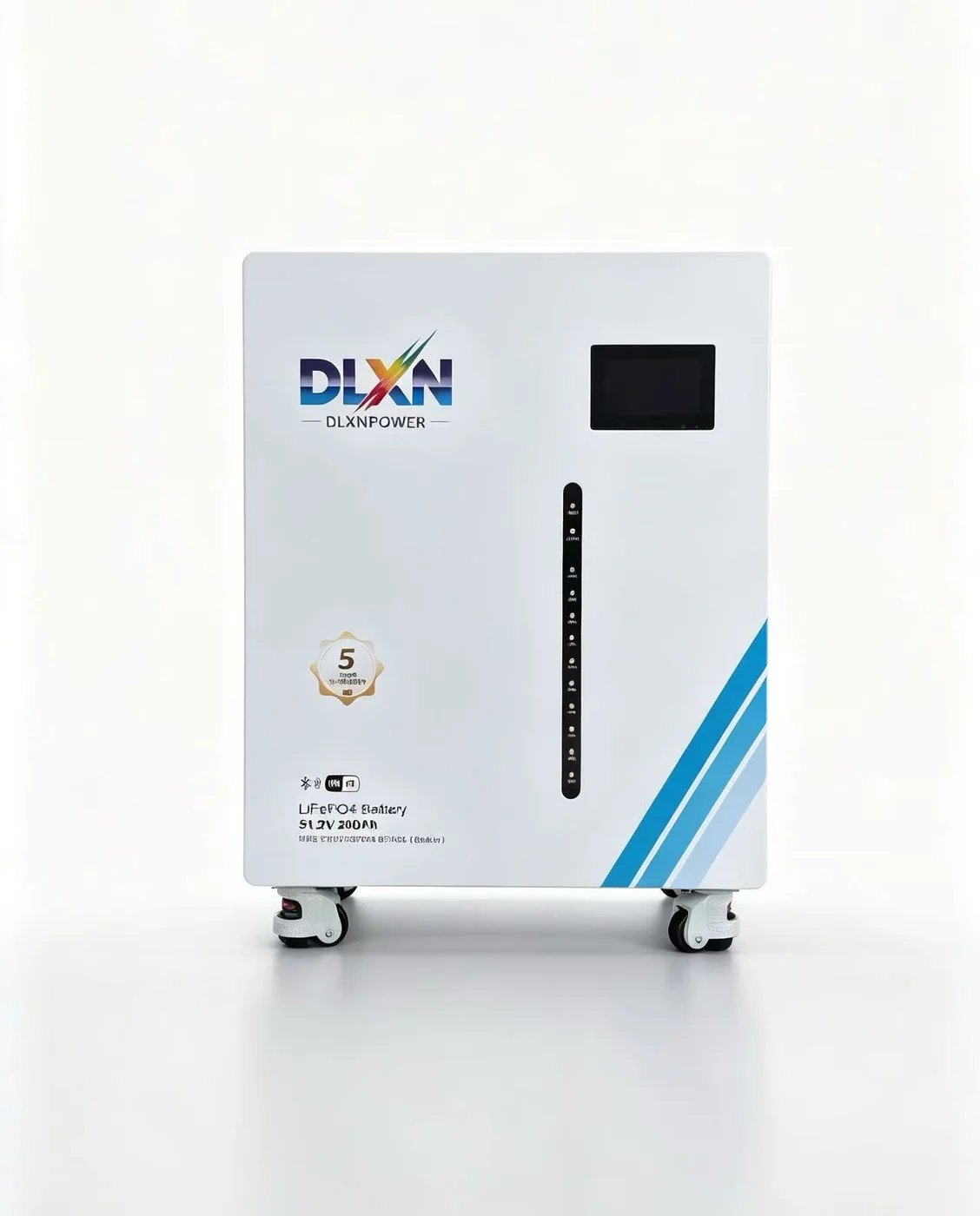
| Home batteries | 5.12–16.08 kWh, 51.2 V LiFePO4 | USD 95–130 /kWh | Spec page → |
| Residential ESS kits | 3.2–10 kW panel + battery | quoted per configuration | Spec page → |
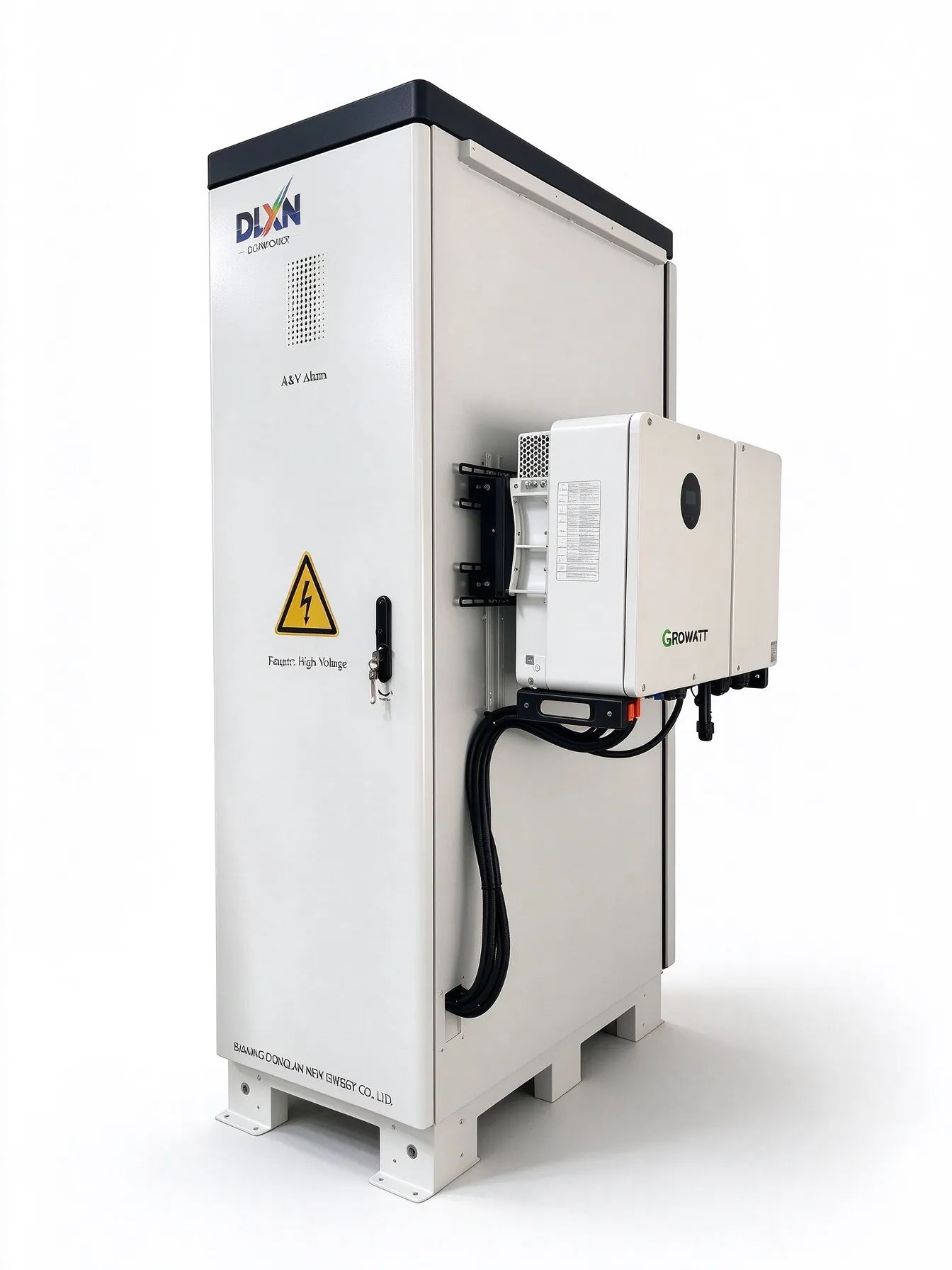
| C&I cabinets | 100 / 120 / 241 / 261 kWh | USD 110–150 /kWh | Spec page → |
| Solar carport | 6.5 kWp with EV charging | USD 1,200–1,700 /kWp | Spec page → |
Minimum order one pallet; lead time 15–45 days on stock configurations (sea freight to destination quoted separately). These are indicative EXW China ranges, not an offer — final price depends on wattage, quantity, configuration and destination port.
Related products
In-stock models that match this article — specs and RFQ on each page.