News & Updates
Latest from DLXN Energy
Solar Battery Price in Ghana: GHS Quotes Swing as Cedi and Duty Bite
What Accra installers are quoting in November
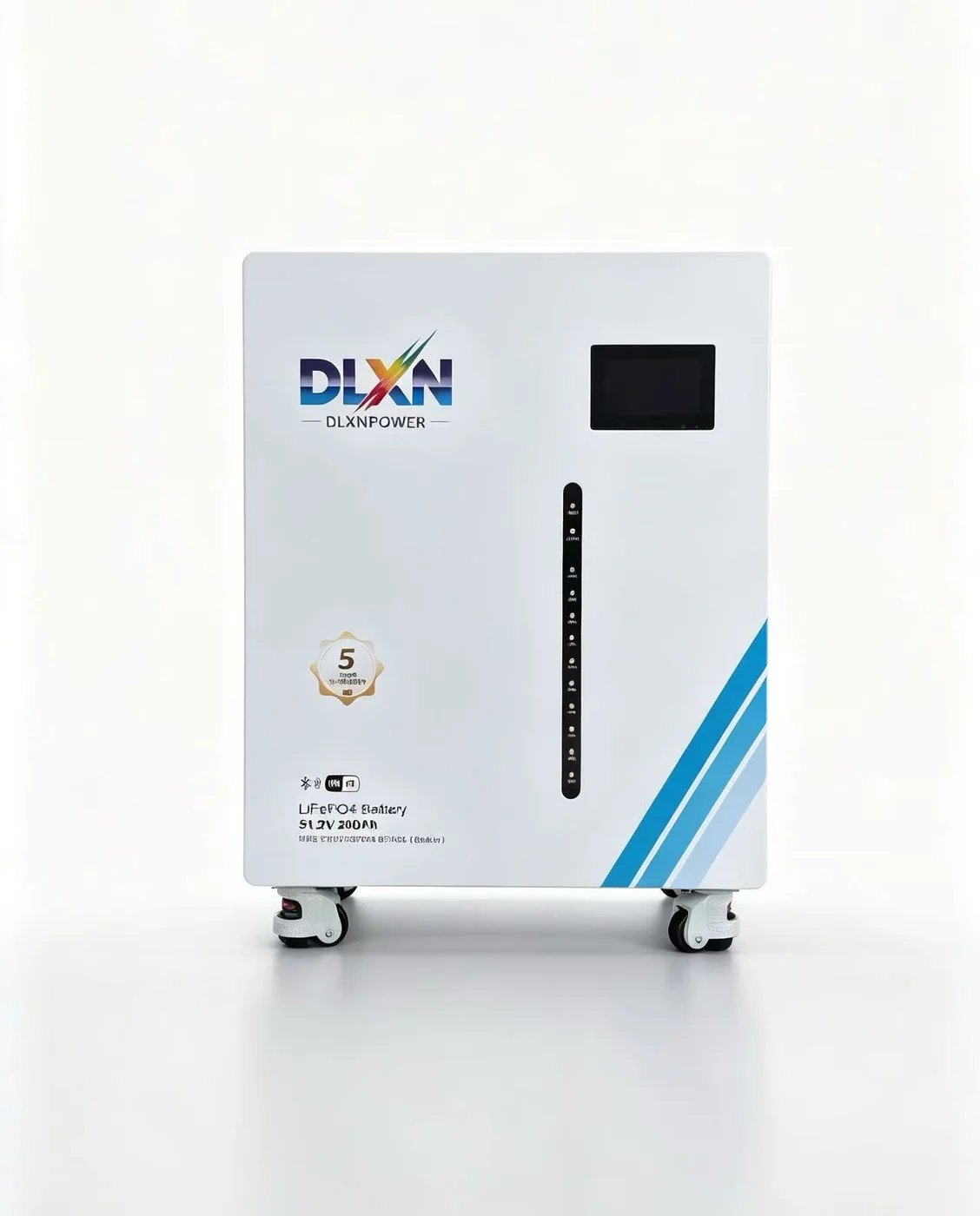
At a two-bay workshop off the Spintex Road in Accra, a 5 kWh lithium wall unit was chalked up at GHS 32,000 on 18 November 2026 — GHS 6,400 per usable kilowatt-hour, fitted, with a GSA-marked label on the side. That number is the clearest answer to the question every installer in the city now fields daily: what is the solar battery price in Ghana actually doing? It is drifting upward, but not evenly. Distributors quote in dollars and settle in cedis, so the solar battery price in Ghana tracks two curves at once — cell cost and FX. Since August the cedi has moved ~6–9% against the dollar on interbank prints, and landed lithium iron phosphate (LFP) packs have repriced roughly in step. BloombergNEF's late-2026 pack survey still shows global LFP cell prices near record lows, but the landed cost in Tema includes freight, 15% VAT, and the importer's hedging margin, none of which follow the cell curve downward with any speed. Kumasi tells a slightly different story. Two installers in Adum reported 5 kWh quotes between GHS 30,000 and GHS 38,000 in the same week, a spread wide enough that buyers are driving to Accra to collect. Takoradi buyers pay a freight premium of ~GHS 800–1,500 on the same unit. In Tamale, the spread widens further because volumes are thin and stock turns slowly.
| Item | Indicative EXW price | Basis |
|---|---|---|
| LiFePO4 home batteries | USD 95–130 / kWh | 5.12–32.15 kWh models |
| Minimum order | One pallet | mixed models on request |
| Lead time | 15–45 days | EXW Baoding, Hebei |
Indicative EXW bands published by DLXN Energy, one pallet and up. A firm price needs a specification, a destination port and a delivery window.
The three numbers inside every quote
Ask for a quote in Accra and you get one figure; ask what it contains and you get an argument. The solar battery price in Ghana is really three prices stacked. The first is cell and pack cost, quoted in dollars per kilowatt-hour. The second is the balance — BMS, cabinet, cabling, and increasingly a G-CAP-compliant certificate trail that importers must hold before the Energy Commission will look at a grid-tied installation. The third is installation, which in Ghana is labour plus the transport of a 50 kg box up two flights of stairs. Buyers comparing on a single GHS-per-kWh figure routinely miss which of the three they are looking at. A quote at GHS 5,200/kWh that excludes the inverter and changeover is not cheaper than one at GHS 6,800/kWh that includes them. For a fuller picture of landed costs by capacity band, see our market price guide.
Why ECG net metering changes the payback maths
Ghana's net metering framework, administered under the Energy Commission and operated by ECG, allows residential and small commercial customers to export surplus generation and offset consumption. PURC's tariff decisions set the credit value, and that credit — not the battery price — is what determines whether storage pays. A 5 kWh pack at GHS 32,000 avoids roughly GHS 2.40–2.90 per kWh of grid electricity at current residential bands, depending on the PURC block. If the household cycles 80% of capacity daily, that is ~4 kWh shifted per day, or roughly GHS 3,500–4,200 a year of avoided purchase at 2026 tariffs. Simple payback lands somewhere near seven to nine years before degradation. Add net metering export credits and the arithmetic tightens, but only for customers whose daytime load is genuinely low. Most Accra households with air conditioning do not export meaningfully, which is why installers are increasingly sizing storage to evening load rather than to array output.
What the GSA mark does to price and to trust
The Ghana Standards Authority's certification regime — the G-CAP programme that consolidates conformity assessment — has become a real line item. Importers now budget for testing and certificate maintenance, and that cost lands in the retail figure. The upside for buyers is traceability: a marked pack has a documented BMS behaviour curve and a cell provenance record. Counterfeit and grey-market LFP packs remain the biggest variable in the market. A 5 kWh unit at GHS 19,000 in Accra is almost certainly a rebuilt pack or a mislabelled capacity; the giveaway is weight and a BMS that reports voltage but not cell temperature. Buyers should demand the certificate number, and should expect a warranty of at least five years with a stated cycle count. Anything less is a consumable, not an asset.
Cedi exposure is now the main variable
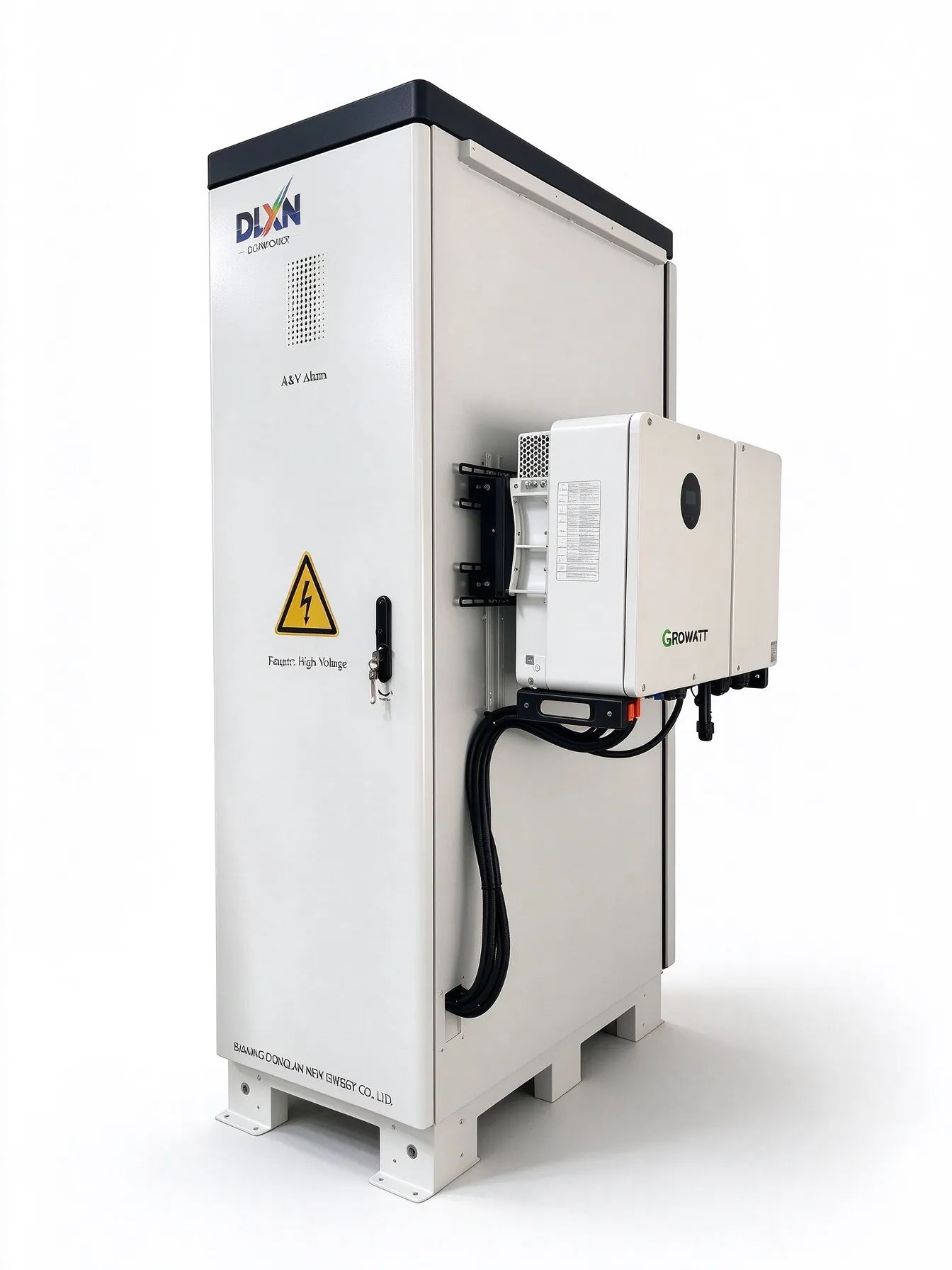
The single largest swing factor between now and mid-2027 is not cell chemistry. It is the exchange rate. Distributors who bought stock in July are selling below replacement cost in November; those who did not are quoting defensively and losing deals to parallel importers. That mismatch explains why two Accra quotes for identical hardware can differ by 20% in the same week. Our own sourcing conversations with importers in Tema suggest replacement cost for a 5 kWh LFP unit is now ~GHS 5,800–6,300/kWh landed, before margin and install. Retail at GHS 6,400–7,200/kWh is therefore close to a floor rather than a ceiling. Scale changes the picture. Commercial buyers installing 100 kWh or more — a hotel in Takoradi, a cold store in Tema — are moving to cabinet-level systems where the per-kWh installed cost falls sharply. For a sense of how that tier is priced, our commercial storage range and the GC100-120 battery cabinet sit in a different cost band entirely, and the LiFePO4 price index tracks the underlying cell trend quarterly.
What to ask before you sign
Three questions separate a fair quote from an expensive one. What is the usable capacity in kWh, not the nameplate? What is the cycle warranty, and at what depth of discharge? And is the unit GSA-marked with a certificate number you can verify? Ask for the quote broken into hardware, balance of system, and installation. Ask whether the price holds for 30 days and what happens if the cedi moves. Then compare against the range in our market price guide and, if you are building a larger system, against the residential and commercial ranges in our product catalogue. The solar battery price in Ghana will keep moving; a quote you can decompose is the only defence. Ghana's storage market is maturing faster than its price transparency. Until that gap closes, the buyer who asks three questions pays less than the one who asks for a discount.
References: BloombergNEF clean energy research; PURC (Ghana)
Sources and primary references
Duty, grid-connection and price-benchmark statements in this article follow the primary sources below. Our own figures are EXW China ranges and are not substituted by external prices.
- PURC — regulated tariffs and the net-metering framework
- Energy Commission — renewable energy licensing and local content requirements
- GRA — customs and VAT — duty and VAT on imported modules and batteries
- BloombergNEF — module, cell and battery pack price benchmarks quoted in this article
- InfoLink Consulting — weekly spot prices for TOPCon / PERC modules and LFP cells
What we quote on this product line into Ghana
Indicative EXW China ranges on the same basis as our product pages; the retail prices in this market are covered in the article.
| Product line | Range | Indicative EXW | Details |
|---|---|---|---|
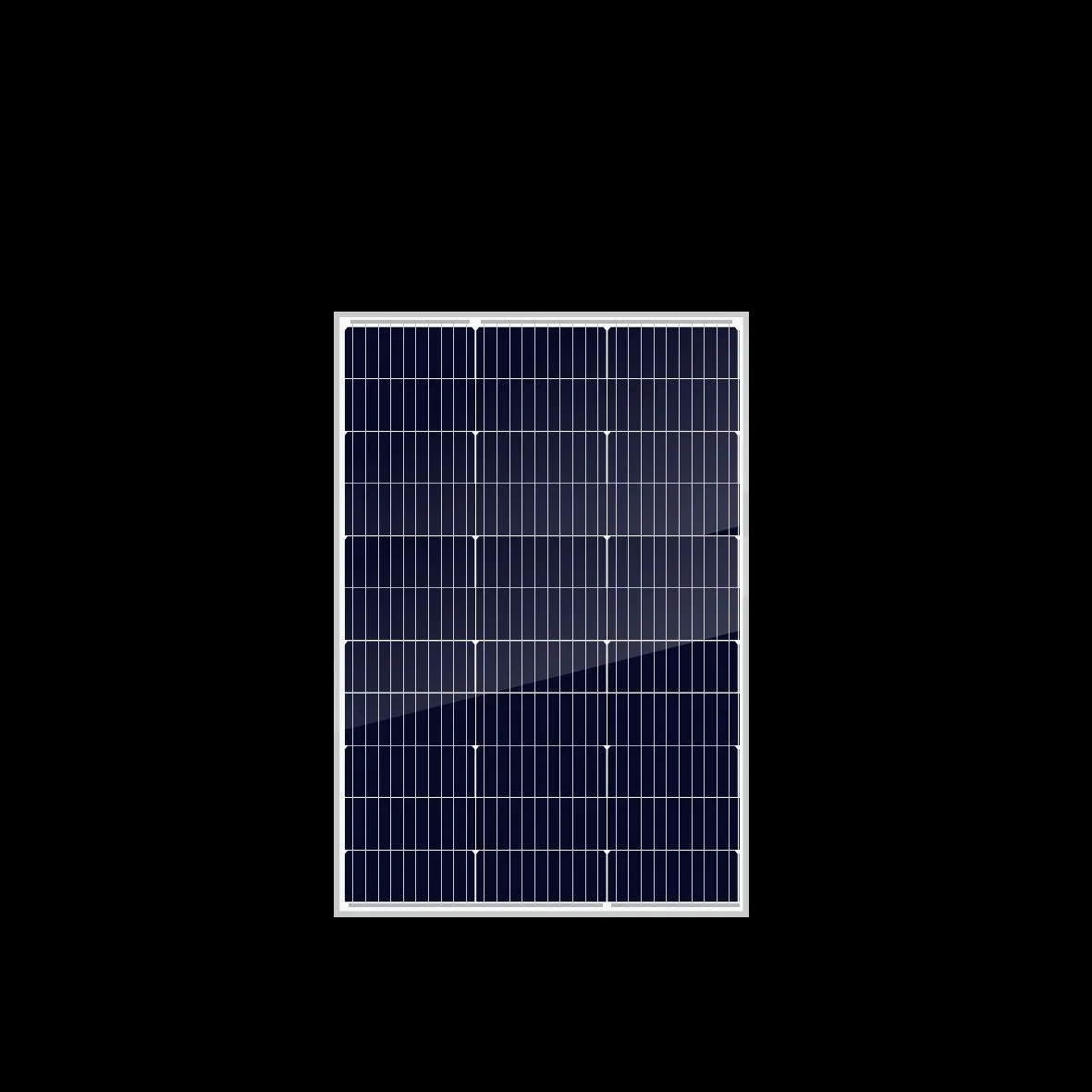
| Solar modules | 20–650 W, 182 mm / 18 V | USD 0.17–0.23 /Wp | Spec page → |
| Home batteries | 5.12–16.08 kWh, 51.2 V LiFePO4 | USD 95–130 /kWh | Spec page → |
| Residential ESS kits | 3.2–10 kW panel + battery | quoted per configuration | Spec page → |
| C&I cabinets | 100 / 120 / 241 / 261 kWh | USD 110–150 /kWh | Spec page → |
| Solar carport | 6.5 kWp with EV charging | USD 1,200–1,700 /kWp | Spec page → |
Minimum order one pallet; lead time 15–45 days on stock configurations (sea freight to destination quoted separately). These are indicative EXW China ranges, not an offer — final price depends on wattage, quantity, configuration and destination port.
Related products
In-stock models that match this article — specs and RFQ on each page.