News & Updates
Latest from DLXN Energy
How Many Solar Panels to Run a Fridge in Ghana: Accra Math

The 600 W answer, and where it breaks
Roughly 600 W of panel — three 200 W modules or two 300 W modules — will keep a modern 200-litre inverter fridge running through a normal day in Accra. That is the working answer to how many solar panels to run a fridge in Ghana, and it rests on three assumptions: an inverter compressor cycling at ~45%, 4.5 peak sun hours, and a battery sized for the evening pull rather than the noon peak. Change any one of those and the number moves fast. A 300-litre conventional fridge sold in Kumasi or Takoradi — hot-wall condenser, no inverter board — can draw 2.5-3.5 kWh a day at 32°C ambient, which pushes you to 900 W-1.2 kW of array. A 150-litre chest freezer converted to a fridge, a common trick in Takoradi, can sit nearer 0.6 kWh a day and 350 W. The panel count is never the hard part of the calculation; the compressor and the battery are.
Measure the fridge before you buy anything
The only reliable method is a plug-in energy meter, sold in Accra electronics shops for ~GHS 120-250, left on the fridge for 72 hours. That gives you daily kWh directly, no guessing at nameplate watts. The sizing formula is then simple: daily kWh ÷ (peak sun hours × 0.75 system derate) = array size in kW. Worked through for a real Accra case: 1.1 kWh ÷ (4.5 × 0.75) = 0.33 kW, so 400 W is the floor. Add 30-50% margin for harmattan dust, the cloudy weeks in June and August, and panel temperature derating, and you land at 600-700 W. Nameplate ratings mislead on their own. A fridge rated 120 W does not draw 120 W continuously — in a 32°C kitchen the compressor might run 50-60% of the time, and door openings during a Sunday lunch push that higher. Two identical fridges in two Accra households can differ by 25% on daily kWh purely on how often the door opens and whether the fridge sits against a sun-facing wall.
Tamale is not Accra
Ghana's solar resource is decent but not uniform. Global Solar Atlas data puts the coastal belt — Accra, Takoradi — at ~4.5 kWh/m²/day, with the northern savannah around Tamale closer to 5.0-5.5. On paper Tamale needs a smaller array. In practice the heat takes it back. Tamale at 38-40°C in March and April raises compressor duty cycle by 15-25%, and panel output falls ~0.3-0.4% per °C above 25°C cell temperature. Add harmattan dust from December to February, which can cost 10-15% of yield if modules are not cleaned, and the two cities converge on roughly the same ~600 W for the same fridge. Roof mounting angle matters too: a flat-mounted panel on a Kumasi roof loses more to dust than a 10-15° tilt that sheds rain.
What it costs in GHS, and the import paperwork
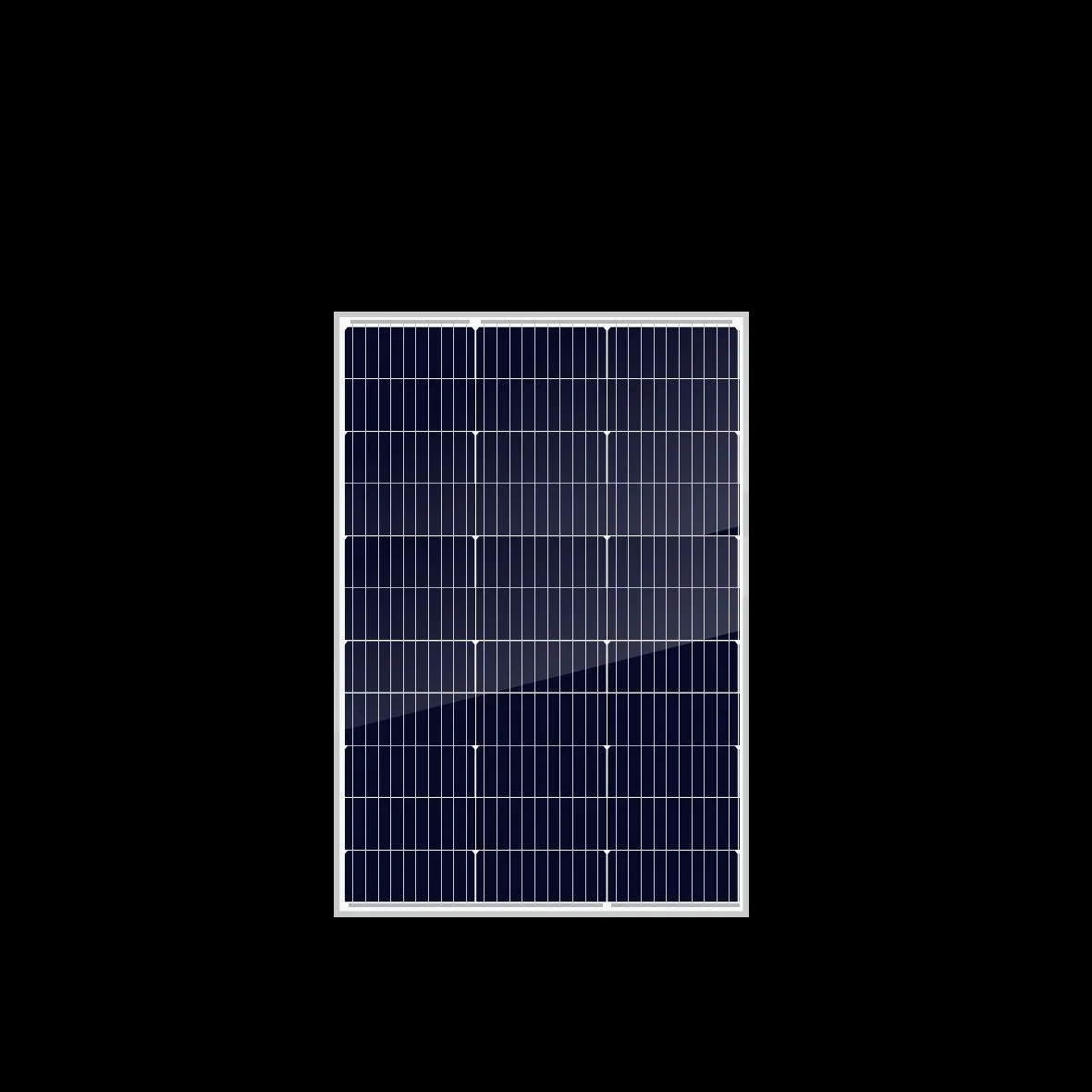
Budget for a fridge-only system in Accra in late 2026: two 550 W mono TOPCon panels at ~GHS 1,600-2,300 each, an MPPT charge controller and 1 kW inverter/charger at ~GHS 2,500-4,000, mounting and cabling ~GHS 1,200-2,000, and installation labour ~GHS 1,500-2,500. That totals roughly GHS 15,000-22,000 before the battery, which is the single largest line item. Panels and batteries entering Ghana need a G-CAP certificate of conformity under Ghana Standards Authority rules, and the Energy Commission expects installers to be registered. Ask for both documents before paying a deposit — the certificate is what distinguishes a genuine 550 W module from a relabelled 400 W unit, a problem that persists in the rooftop market. Current equipment and installation pricing by city is tracked in our market price guide.
Battery sizing is where the money goes
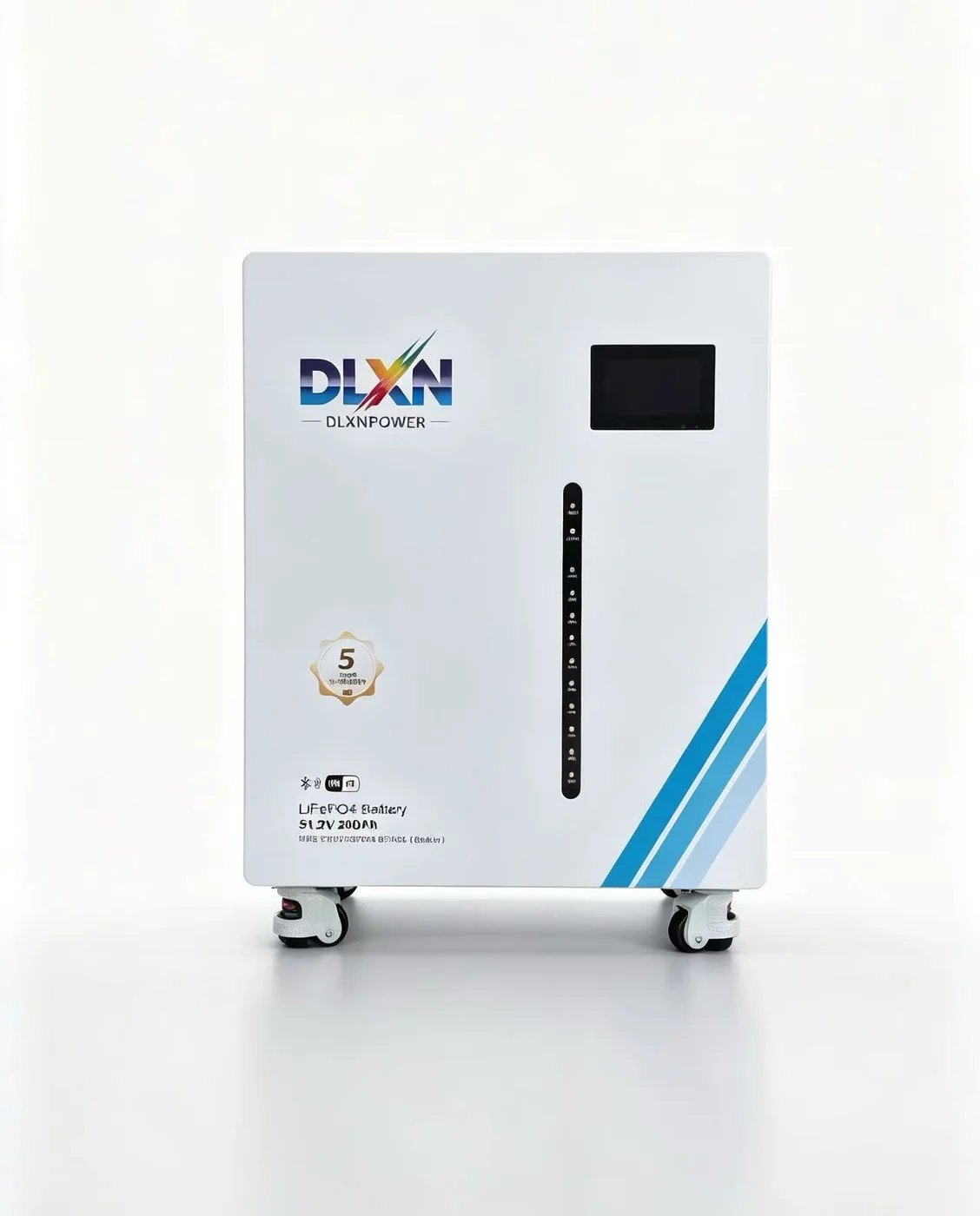
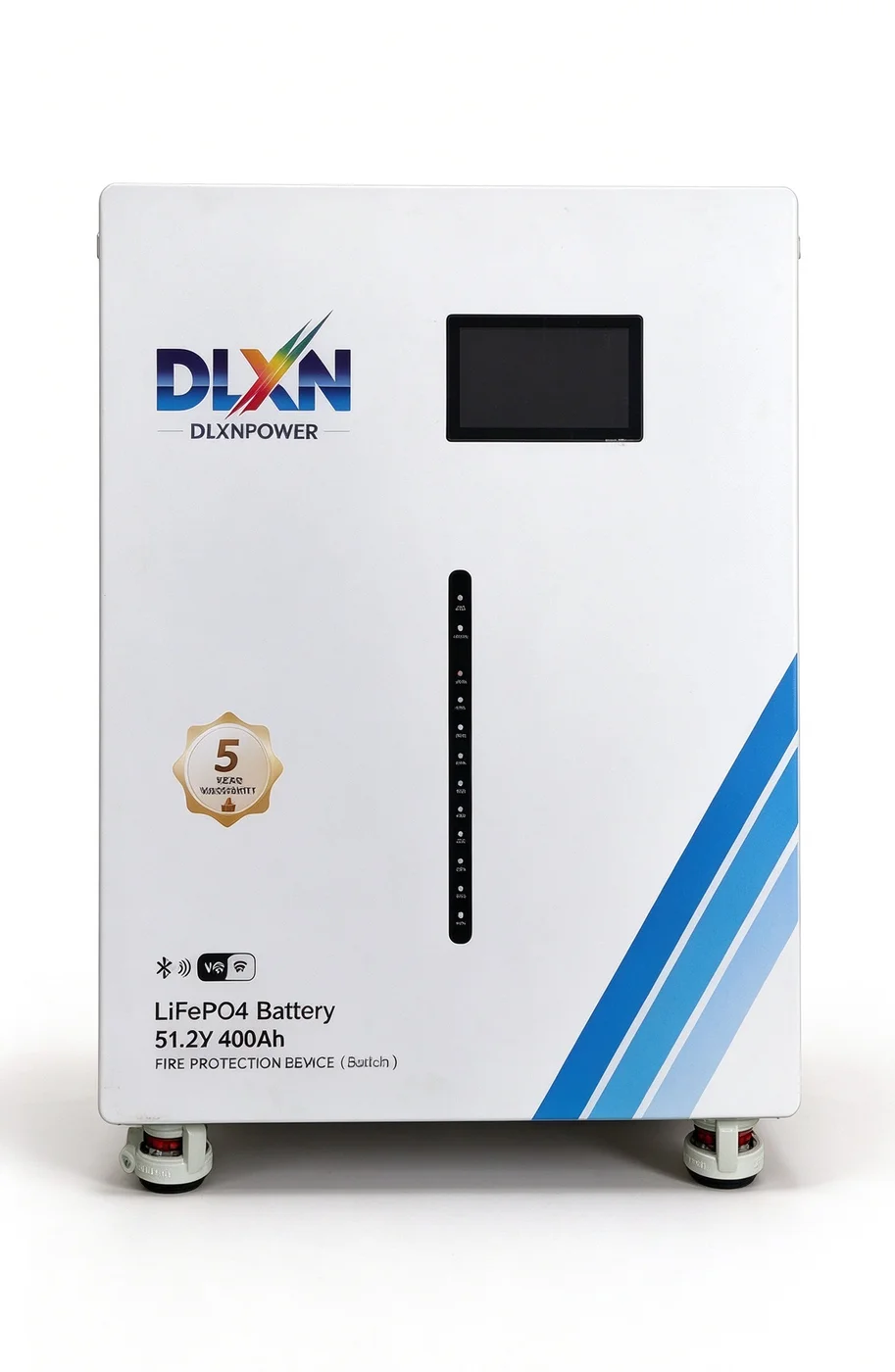
A 12.8 V 200 Ah lithium iron phosphate pack gives ~2.5 kWh nominal, roughly 2.2 kWh usable at 90% depth of discharge, which comfortably covers a 1.1 kWh overnight load. Expect ~GHS 6,500-9,500 for that pack in Accra; the LiFePO4 price index tracks how that has moved through 2026. Lead-acid is cheaper upfront but at 50% usable depth and two-to-three-year life in Ghanaian heat, the arithmetic rarely favours it. At 12 V, a 600 W array and a 1 kW inverter are near the practical ceiling before cable losses become annoying; above that, move to 24 V or 48 V. Most Accra buyers who start with "just the fridge" end up at 1.5-3 kW once lights, fans, a TV and phone charging enter the conversation, and a packaged residential ESS is usually cheaper per kWh than scaling a 12 V system piece by piece. If you are only ever running the fridge and a few LED bulbs, a single 600 W array of mono panels with a 2.5 kWh lithium battery is the sane build.
The regulatory bits nobody mentions at the shop
A 600 W off-grid fridge system does not need ECG approval — it never exports. Once you cross into grid-tied territory, PURC's net metering sub-code applies: application to ECG, a bidirectional meter, and compliance with the Commission's technical requirements. Net metering on a fridge-sized array is not worth the paperwork in Ghana today; on a 3-5 kW household system it is. Where the Energy Commission's rules bite immediately is installer registration and equipment standards. An unregistered installer is not automatically a bad one, but the commission's register is the only public record of who has been checked, and GSA conformity documents are what you hold if a panel fails inside its warranty window.
Sources and primary references
Duty, grid-connection and price-benchmark statements in this article follow the primary sources below. Our own figures are EXW China ranges and are not substituted by external prices.
- PURC — regulated tariffs and the net-metering framework
- Energy Commission — renewable energy licensing and local content requirements
- GRA — customs and VAT — duty and VAT on imported modules and batteries
- BloombergNEF — module, cell and battery pack price benchmarks quoted in this article
- InfoLink Consulting — weekly spot prices for TOPCon / PERC modules and LFP cells
What we quote on this product line into Ghana
Indicative EXW China ranges on the same basis as our product pages; the retail prices in this market are covered in the article.
| Product line | Range | Indicative EXW | Details |
|---|---|---|---|
| Solar modules | 20–650 W, 182 mm / 18 V | USD 0.17–0.23 /Wp | Spec page → |
| Home batteries | 5.12–16.08 kWh, 51.2 V LiFePO4 | USD 95–130 /kWh | Spec page → |
| Residential ESS kits | 3.2–10 kW panel + battery | quoted per configuration | Spec page → |
| C&I cabinets | 100 / 120 / 241 / 261 kWh | USD 110–150 /kWh | Spec page → |
| Solar carport | 6.5 kWp with EV charging | USD 1,200–1,700 /kWp | Spec page → |
Minimum order one pallet; lead time 15–45 days on stock configurations (sea freight to destination quoted separately). These are indicative EXW China ranges, not an offer — final price depends on wattage, quantity, configuration and destination port.
Related products
In-stock models that match this article — specs and RFQ on each page.