News & Updates
Latest from DLXN Energy
How Long Do Solar Batteries Last in Nigeria? A 2026 Field Guide
The returns shelf in Ikeja sets the range
At a solar warehouse in Ikeja, Lagos, the returns shelf tells the story before any datasheet does: 5 kWh lithium packs commissioned in 2021, now pulled from estates in Lekki and Ikeja after four or five rainy seasons. So how long do solar batteries last in Nigeria? The honest answer is a range, not a number — ~3 to 5 years for cheap imported LFP packs that run hot and deep, ~7 to 10 years for well-matched systems on shallow cycles, and 18 to 30 months for most lead-acid tubes still sold in Kano and Port Harcourt. That range is now a budget line for Nigerian households and small businesses. A 5 kWh pack is no longer a backup accessory; it decides whether a shop in Lagos or an office in Abuja keeps trading through an outage. The IEA has flagged Nigeria's self-generation market as one of the largest in sub-Saharan Africa, and the battery wears out first. Installers in Lagos and Abuja give clients a four-to-six-year working life for mid-tier lithium, then shorten it when the pack sits in a metal container or generator room. A battery does not fail on the day it stops working; it fails gradually, every afternoon at 34°C.
Chemistry sets the ceiling — heat sets the clock
Lead-acid still has a place in low-budget installations, but the physics is unforgiving. A 200 Ah tubular bank cycled to 50% depth of discharge might deliver ~500–800 cycles before capacity falls below 80%; at one cycle a day, that is under two years, and Lagos heat shortens it. LFP is the dominant chemistry in new Nigerian residential and commercial systems because it offers ~3,000–6,000 cycles and lower fire risk. NMC packs are lighter but more sensitive to the 35–40°C temperatures recorded in Kano and Port Harcourt during the dry season. Wood Mackenzie's 2025 storage outlook expects LFP to remain the default chemistry for stationary storage through 2030. NREL's degradation work is a useful reality check: LFP cells lose roughly 1–2% of capacity a year at 25°C, and the rate climbs as temperature rises. A pack on a shaded, ventilated wall in Lekki is not the same asset as one bolted to a sun-baked roof in Kano. Most warranty cards are written for 25°C. Lagos does not do 25°C for long. Any serious answer to how long do solar batteries last in Nigeria starts with the installation, not the label. Depth of discharge matters almost as much as chemistry. A pack sized to run 80–100% flat every night will not reach the cycle count on its datasheet. In Nigeria, where outages can be long and solar yield drops in the rainy season, the temptation is to squeeze every kWh out of the battery. That is exactly how a five-year pack becomes a three-year pack.
SONCAP, NERC and NEMSA: the compliance layer
Nigeria's regulatory layer is often discussed at import, but it shapes lifespan on the wall. SONCAP is the conformity assessment for imported lithium cells and packaged batteries; a certificate does not guarantee Tier-1 cells, but its absence is a red flag. NERC sets mini-grid and licensed distribution rules, while NEMSA certifies installations and equipment. For a buyer in Lagos or Abuja, the practical test is a NEMSA-compliant design, a clear BMS specification and a warranty that names the cell supplier. The cheapest pack in Alaba is rarely the cheapest per year. Counterfeit or second-life cells often arrive with a fresh casing and a BMS that cannot balance the cells; the pack works well for six months, then one weak cell drags the whole bank down. NERC's mini-grid framework has pushed developers toward bankable equipment, but the residential market is still driven by cash price. That gap is where most short-lived batteries enter Nigeria. A warranty that is not backed by a Nigerian entity is a promise, not a contract.
What replacement costs in naira in November 2026
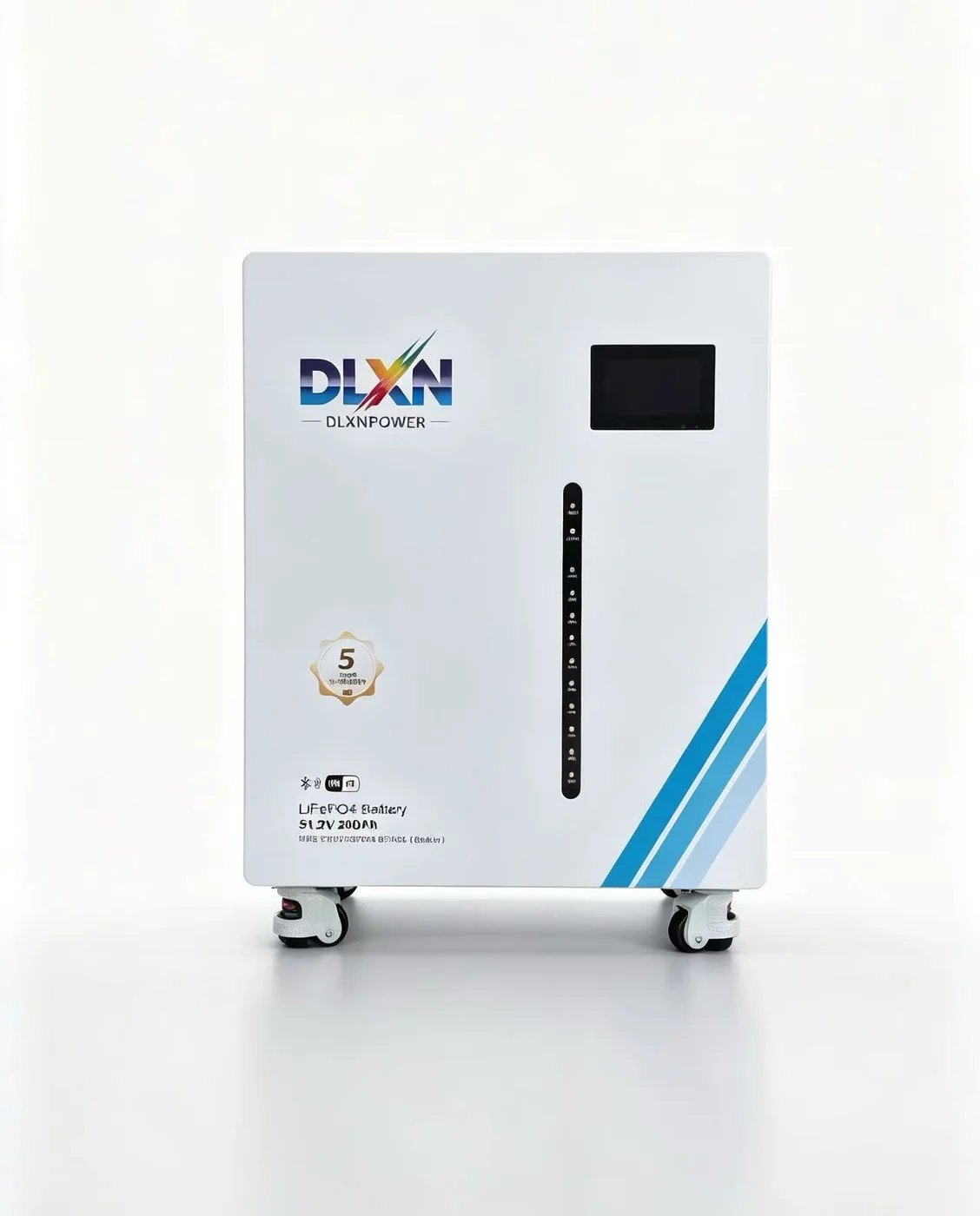
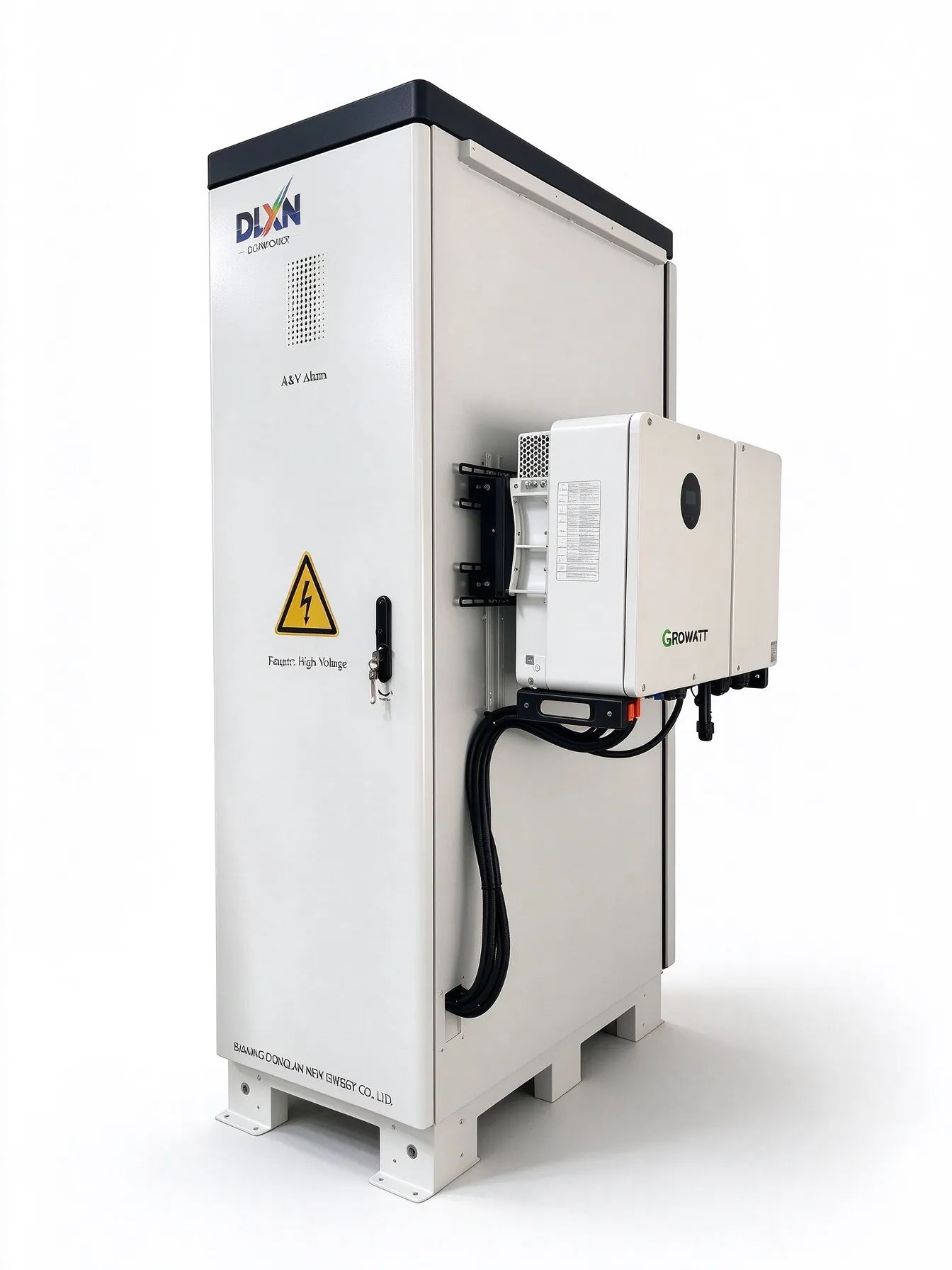
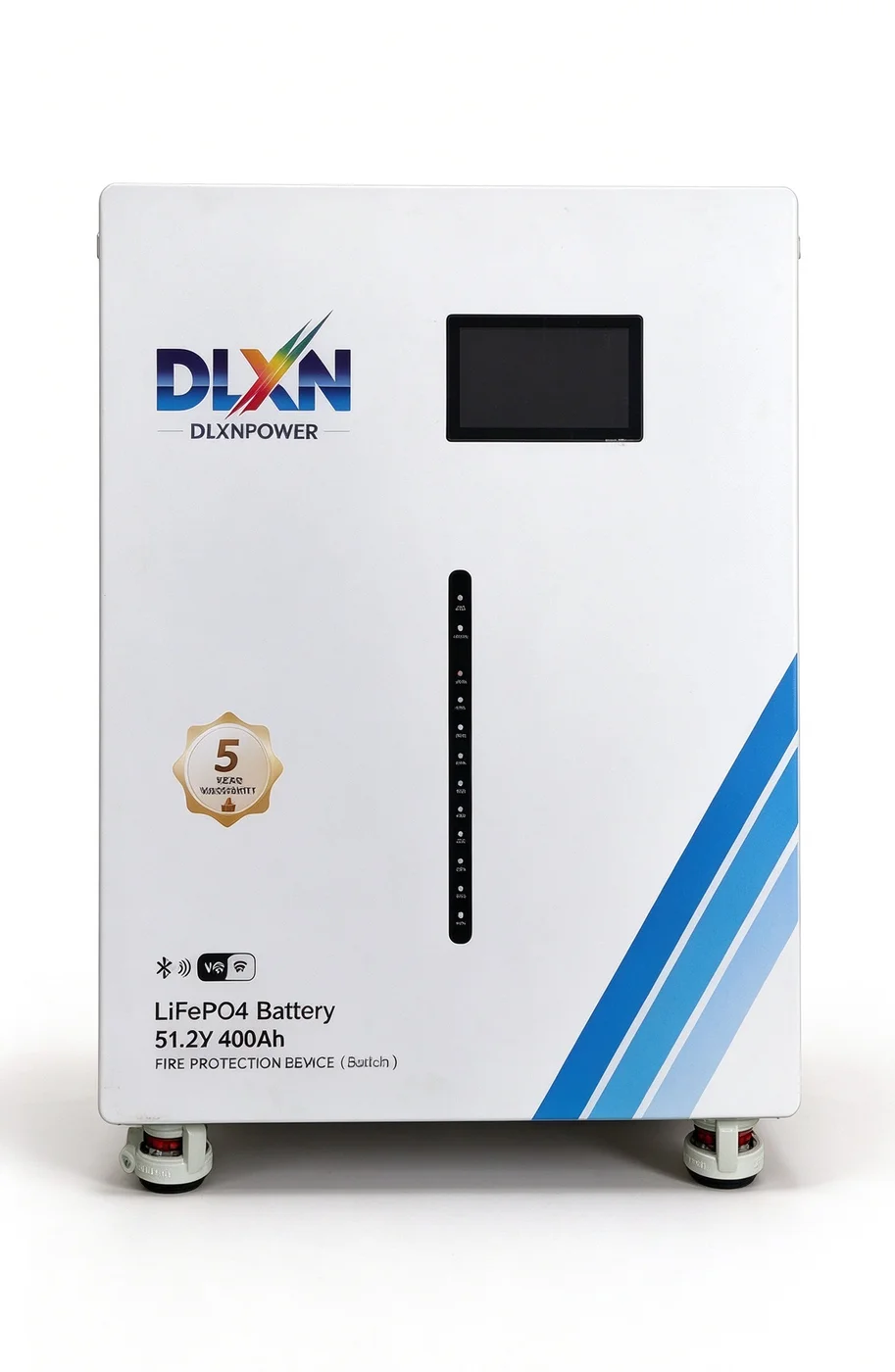
In November 2026, Lagos distributors quote roughly ₦2.5m–₦4m for a 5 kWh LFP pack with a recognised BMS, and ~₦4.5m–₦7.5m for 10 kWh. Lead-acid 200 Ah tubular banks still sell for ~₦350,000–₦600,000, but they need replacing far sooner. BloombergNEF's 2025 battery price survey put average lithium-ion pack prices near $115/kWh at the global factory gate; landed in Nigeria with freight, duties and dealer margin, the effective price is often two to three times that. The market price guide tracks those ranges. Price per usable kWh is the number that matters. A 5.12 kWh LFP pack rated for 6,000 cycles costs more upfront but can be cycled daily for years; a 200 Ah lead-acid bank at 50% DoD gives ~2.4 kWh usable and usually needs replacement inside 24–36 months. The lithium battery range includes wall units and rack cabinets for small commercial sites, while residential ESS packages bundle inverter, MPPT and battery in one warranty envelope. A ₦3m pack that lasts eight years costs ~₦31,000 per month; a ₦900,000 lead-acid bank that lasts two years costs ~₦37,500 per month.
How to make a pack last in Lagos, Abuja, Port Harcourt or Kano
Shade and ventilation are not optional. Mount the pack on an interior wall away from direct sun, leave the datasheet clearance, and keep it out of the generator room. A small fan or louvred enclosure can drop cell temperature by several degrees. If the battery is in a metal container, insulate the roof and measure temperature at the top of the rack. Size for 40–60% daily depth of discharge if the budget allows, and set the inverter to cap discharge at 80% for longer life. Avoid daily 100% cycling except as a backup reserve. Check firmware and BMS logs every six months; a balancing fault caught early is cheaper than a replaced module. For commercial sites, rack-level service means one bad module does not scrap the bank. Buy with SONCAP documentation, insist on a written warranty that covers capacity fade, and use a NEMSA-certified installer. The LiFePO4 price index is a useful benchmark before negotiating. And ask the blunt question: how long do solar batteries last in Nigeria on this design, at this temperature, with this daily cycle? If the answer is a single number with no assumptions, keep shopping.
Sources and primary references
Duty, grid-connection and price-benchmark statements in this article follow the primary sources below. Our own figures are EXW China ranges and are not substituted by external prices.
- NERC — mini-grid and embedded generation rules referenced in this article
- SON — SONCAP — SONCAP conformity assessment that adds cost at the port
- CBN — official exchange rates — the NGN/USD rate behind every naira figure quoted here
- BloombergNEF — module, cell and battery pack price benchmarks quoted in this article
- InfoLink Consulting — weekly spot prices for TOPCon / PERC modules and LFP cells
What we quote on this product line into Nigeria
Indicative EXW China ranges on the same basis as our product pages; the retail prices in this market are covered in the article.
| Product line | Range | Indicative EXW | Details |
|---|---|---|---|
| Solar modules | 20–650 W, 182 mm / 18 V | USD 0.17–0.23 /Wp | Spec page → |
| Home batteries | 5.12–16.08 kWh, 51.2 V LiFePO4 | USD 95–130 /kWh | Spec page → |
| Residential ESS kits | 3.2–10 kW panel + battery | quoted per configuration | Spec page → |
| C&I cabinets | 100 / 120 / 241 / 261 kWh | USD 110–150 /kWh | Spec page → |
| Solar carport | 6.5 kWp with EV charging | USD 1,200–1,700 /kWp | Spec page → |
Minimum order one pallet; lead time 15–45 days on stock configurations (sea freight to destination quoted separately). These are indicative EXW China ranges, not an offer — final price depends on wattage, quantity, configuration and destination port.
Related products
In-stock models that match this article — specs and RFQ on each page.