News & Updates
Latest from DLXN Energy
Solar panel price Kumasi: GHS 3.4–4.5/W as G-CAP checks bite
A Tuesday quote sheet from Adum
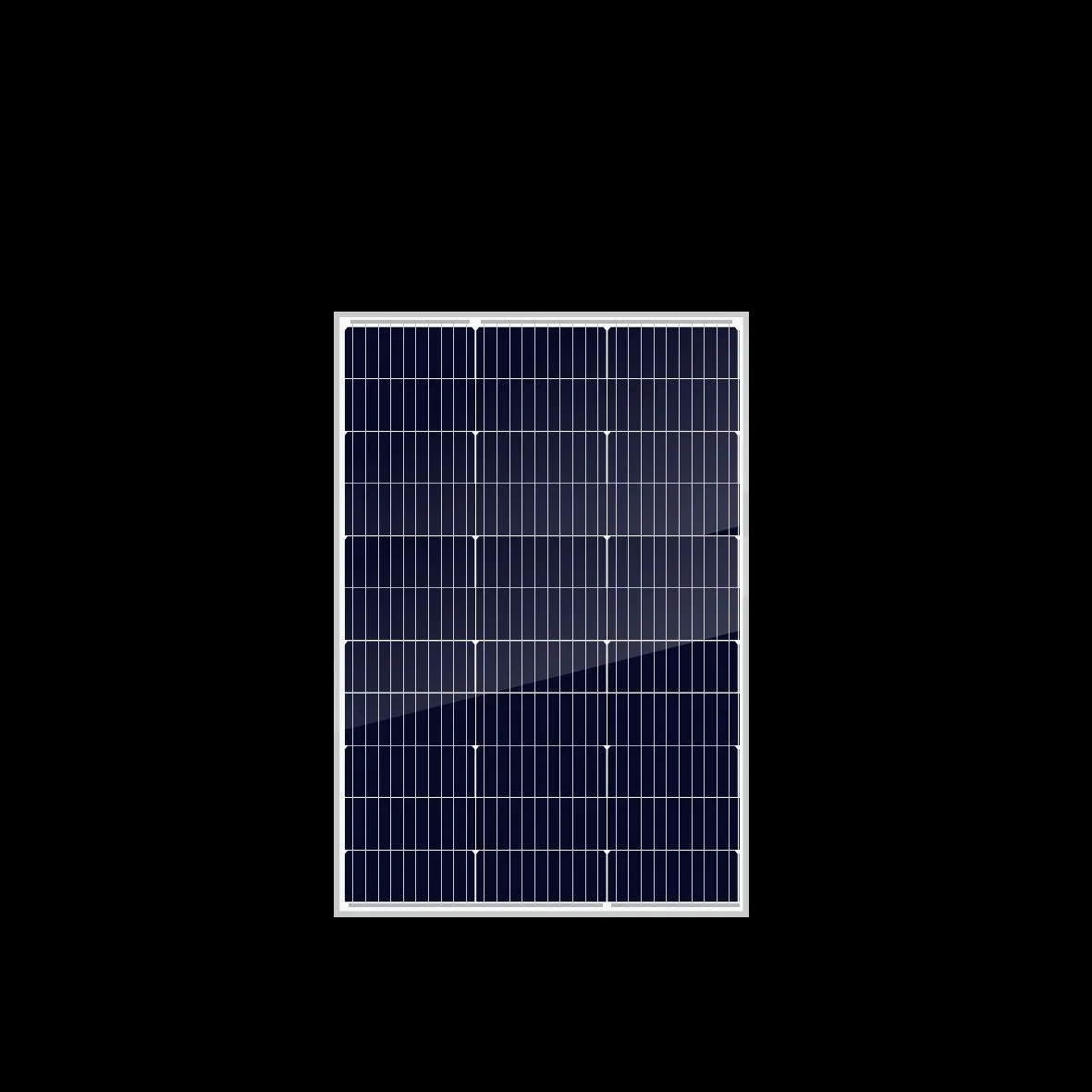
On a Tuesday morning in Adum, a 580 W monocrystalline panel is ticketed at GHS 2,320 — roughly GHS 4.0/W — and the dealer will not hold that number past Friday. Across six shops between Adum and Suame Magazine this week, the solar panel price Kumasi buyers are quoted ran from ~GHS 3.4/W to ~GHS 4.5/W for tier-one modules, before mounting rail, DC cable or a single watt of battery storage. Accra is cheaper, and not by a rounding error. Importers who clear at Tema and sell out of Spintex or Abossey Okai quote ~GHS 3.0–3.6/W for the same 550–580 W modules, according to price sheets reviewed for our Ghana market price guide. The gap is logistics. A 40-foot container trucked 250 km up the N6 adds freight and handling, and Kumasi distributors hold thinner stock, so they re-order in smaller lots and pay more per unit. Most Kumasi shops are also second or third in the chain: a Suame reseller buying from an Accra importer carries two margins, not one. Panel technology is rarely the variable — nearly everything on the shelves this month is monocrystalline half-cell, PERC or n-type TOPCon, in the 545–585 W bracket, and the panel range landing in Ghana is broadly the same product in Kumasi as in Accra. What moves the number is everything that happens before the panel reaches the shelf.
| Item | Indicative EXW price | Basis |
|---|---|---|
| Solar modules (182 mm mono) | USD 0.17–0.23 / Wp | 20–650 W, one pallet and up |
| Minimum order | One pallet | mixed models on request |
| Lead time | 15–45 days | EXW Baoding, Hebei |
Indicative EXW bands published by DLXN Energy, one pallet and up. A firm price needs a specification, a destination port and a delivery window.
Paperwork now sits inside the price
The Ghana Standards Authority's conformity programme, G-CAP, is the first cost most buyers never see. Regulated electrical and electronic imports need a certificate of conformity issued at origin by an approved inspection body; without it, goods are examined on arrival and the importer pays for the inspection, the storage and the delay. Dealers in Kumasi say a queried certificate on a mixed container can add ~GHS 40,000–90,000 in demurrage and port charges, a cost that gets divided across every panel in the box. The Energy Commission's licensing regime for renewable energy service providers is the second. A licensed installer prices compliance into the quote; an unlicensed one undercuts by ~10–15% and goes quiet when the inverter fails in year three.
Cedi, freight and the December squeeze
Two import variables have done more to set the November 2026 tag than any factory-gate move. The cedi has traded in a ~GHS 10.5–12.5 band against the dollar for most of 2026, and because modules, inverters and cells are all dollar-denominated, a two-cedi swing reprices a container by more than a discount letter from a Chinese supplier. Freight has been the quieter factor: forwarder indications on the Shanghai–Tema lane have hovered around ~$3,500–5,000 per 40-foot box through 2026, well below the 2021 spike but not cheap enough to absorb. At the factory gate, BloombergNEF has kept TOPCon module prices in a ~$0.09–0.11/W band through 2026, which means the panel itself is a small share of what a Kumasi buyer hands over. Duty treatment under the ECOWAS common external tariff is favourable for modules, but clearing, levies, inland haulage and conformity costs sit on top. Expect the solar panel price Kumasi shops advertise to firm, not soften, through December as year-end buyers rush the last containers before the January clearing cycle. IEA's own regional read is that distributed PV in West Africa keeps growing on economics, not subsidy, which is exactly why the retail spread matters more here than the global spot price.
Batteries set the system number, not the panel
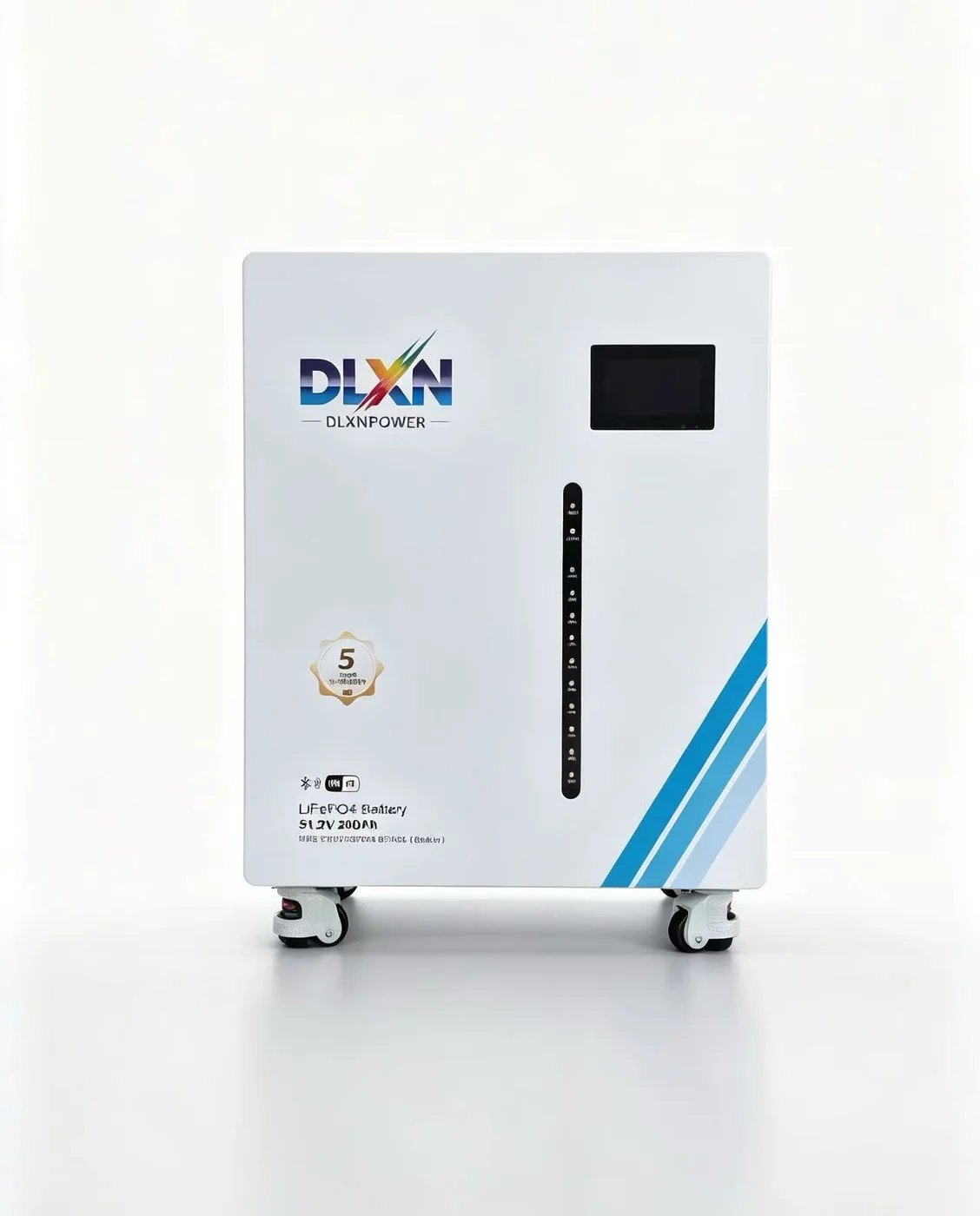
A 5 kWp roof in Kumasi is a GHS 30,000–40,000 conversation once storage is included, and the panel line is the least volatile part of it. LFP packs — typically 51.2 V, 100 Ah, ~5 kWh — have been the swing item all year, with retail quotes moving faster than modules as cell supply loosened. Our LiFePO4 battery price index tracks that curve; locally, dealers are quoting ~GHS 9,000–13,000 for a 5 kWh rack unit depending on brand, BMS quality and whether the warranty is honoured in Ghana or only on paper in Shenzhen. That is why package pricing has become the norm. A residential ESS bundle with inverter, rack and changeover switch is easier for a Kumasi buyer to compare than three separate quotes from three shops with three different assumptions about cable, surge protection and earthing.
What to ask before you pay
Start with the certificate. Ask to see the G-CAP conformity document for the exact model, not the brand, and check that the installer holds a current Energy Commission licence. Ask for flash-test data on the delivered panels — wattage tolerance, Voc and Isc — because a "580 W" label on a 550 W bin is the oldest trick in the trade and it is invisible until the first hot afternoon. Then ask about the grid. Under PURC's net metering framework, administered by ECG, a grid-tied system needs a bidirectional meter and an approved application before any export is credited, and the export credit is set against a retail tariff PURC reviews quarterly. Off-grid and hybrid systems skip that process entirely, which is why most Kumasi households still choose storage over export. For anyone weighing the two, our solar and battery storage topic hub lays out the trade-offs without the sales language. None of this makes Kumasi a bad place to buy a panel. It makes it a place where the invoice tells you less than the paperwork does.
References: BloombergNEF clean energy research; PURC (Ghana)
Sources and primary references
Duty, grid-connection and price-benchmark statements in this article follow the primary sources below. Our own figures are EXW China ranges and are not substituted by external prices.
- BloombergNEF — module, cell and battery pack price benchmarks quoted in this article
- InfoLink Consulting — weekly spot prices for TOPCon / PERC modules and LFP cells
What we quote on this product line
Indicative EXW China ranges on the same basis as our product pages; the retail prices in this market are covered in the article.
| Product line | Range | Indicative EXW | Details |
|---|---|---|---|
| Solar modules | 20–650 W, 182 mm / 18 V | USD 0.17–0.23 /Wp | Spec page → |
| Home batteries | 5.12–16.08 kWh, 51.2 V LiFePO4 | USD 95–130 /kWh | Spec page → |
| Residential ESS kits | 3.2–10 kW panel + battery | quoted per configuration | Spec page → |
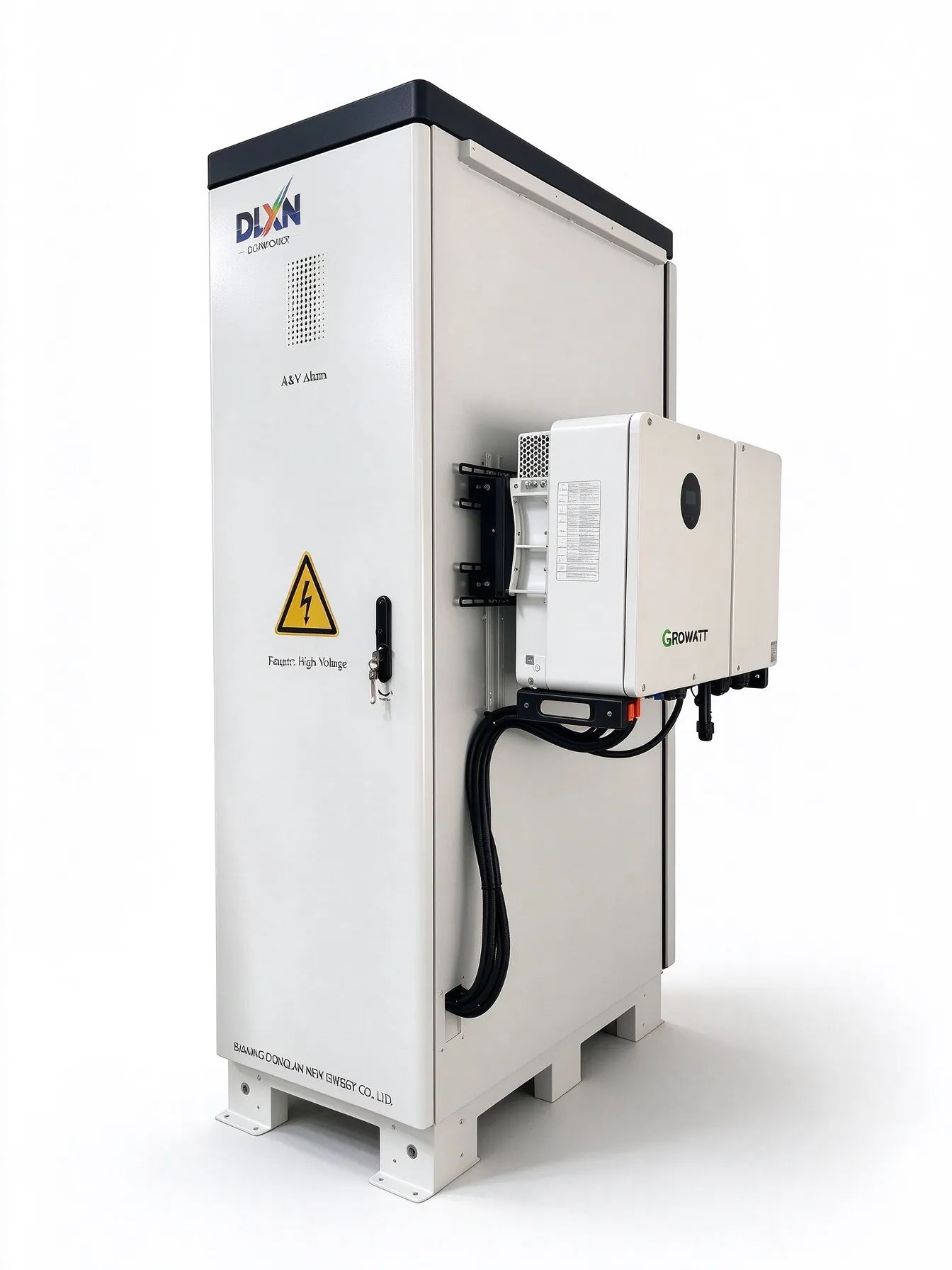
| C&I cabinets | 100 / 120 / 241 / 261 kWh | USD 110–150 /kWh | Spec page → |
| Solar carport | 6.5 kWp with EV charging | USD 1,200–1,700 /kWp | Spec page → |
Minimum order one pallet; lead time 15–45 days on stock configurations (sea freight to destination quoted separately). These are indicative EXW China ranges, not an offer — final price depends on wattage, quantity, configuration and destination port.
Related products
In-stock models that match this article — specs and RFQ on each page.